
PUA:Win32/Systweak detection stands for an unwanted program in your system. Systweak name is commonly assigned to different performance boosting utilities that are mostly useless.
System tweakers are applications that are changing system settings and remove certain files to boost performance. However, most of them are spread as a bundled software. Additionally, its developers commonly monetise their job by placing numerous ads in their programs’ interface and continuous request to pay for a full version.
PUA:Win32/Systweak may be the program you’ve installed recently. Remember whether you were trying to find a solution “to speed up your system” – this may be the one Microsoft Defender is not happy about. Such programs may have some positive effects, but there is also a huge risk. They often have a pretty poor design, which can damage your system files, causing BSODs and other errors.
Does your antivirus regularly report about the “Systweak”?
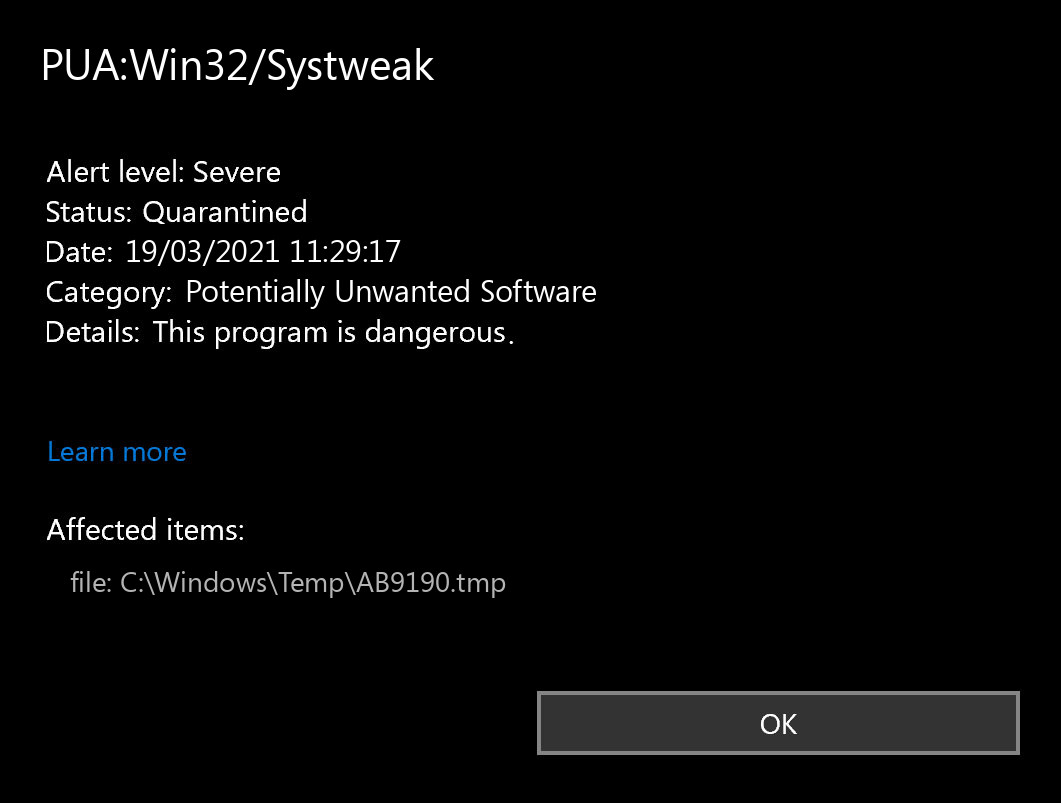
Microsoft Defender: “PUA:Win32/Systweak”
In other words, the message “PUA:Win32/Systweak Found” throughout the common use of your computer system does not suggest that the Systweak has completed its mission. If you see such a message after that maybe the evidence of you seeing the infected page or filling the harmful data. Try to prevent it in the future, however do not worry excessive. Trying out opening the antivirus program and also inspecting the PUA:Win32/Systweak detection log file. This will certainly offer you even more details about what the exact Systweak was detected and also what was particularly done by your antivirus software application with it. Obviously, if you’re not positive sufficient, describe the hand-operated scan – anyway, this will be useful.
How to scan for malware, spyware, ransomware, adware, and other threats.
If your system works in an exceptionally slow method, the website open in an odd way, or if you see ads in the position you’ve never ever anticipated, it’s feasible that your computer got infected and also the infection is now active. Spyware will track all your activities or redirect your search or web page to the places you don’t intend to check out. Adware might infect your web browser and also also the whole Windows OS, whereas the ransomware will try to obstruct your PC and demand a remarkable ransom quantity for your very own data.
How to scan your PC for PUA:Win32/Systweak?
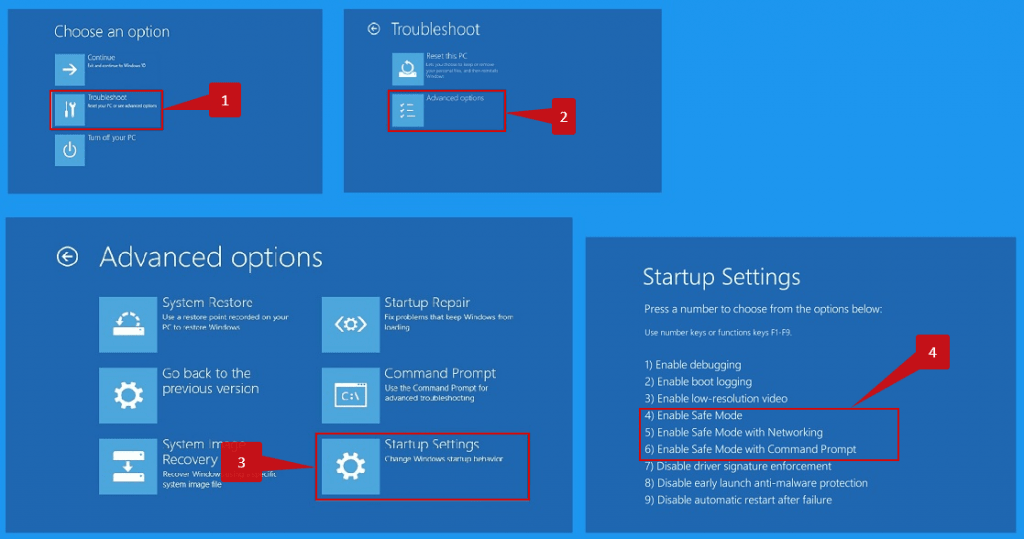
Use Safe Mode to fix the most complex PUA:Win32/Systweak issues.
It’s not enough to simply use the antivirus for the safety of your computer. You require to have a more comprehensive antivirus app. Not all malware can be found by standard antivirus scanners that mostly search for virus-type hazards. Your system might be full of “trash”, as an example, toolbars, browser plugins, questionable online search engines, bitcoin-miners, and also other kinds of unwanted software used for earning money on your inexperience. Beware while downloading and install programs on the internet to avoid your device from being full of unwanted toolbars as well as various other scrap data.


Leave a Comment