
If you see the message reporting that the PUA:Win32/NiceHashMiner was located on your computer, or in times when your computer system works too slow as well as offer you a ton of frustrations, you most definitely make up your mind to scan it for NiceHashMiner and tidy it in a correct way. Now I will certainly tell to you how to do it.
The majority of NiceHashMiner are used to earn a profit on you. The organized crime clarifies the range of bad programs to steal your credit card information, online banking qualifications, and various other data for illegal objectives.
Threat Summary:
| Name | NiceHashMiner Potentially Unwanted Software |
| Detection | PUA:Win32/NiceHashMiner |
| Details | The NiceHash Miner has earned a bad reputation due to misuse by cybercriminals. Some version of NiceHash Miner has been found running on the computers of unsuspecting users. An investigation confirmed that Criminals had modified the NiceHash Miner software to work as a crypto-jacker and operate on compromised systems silently. The NiceHash crypto-jacker is not too different from the original, but it is adapted to create fake instances of Java, randomly named process, and hijack processing power. The NiceHash crypto-jacker comes with an encrypted configuration file and remote access capabilities. |
Sorts of viruses that were well-spread 10 years ago are no longer the source of the trouble. Presently, the problem is extra apparent in the locations of blackmail or spyware. The problem of taking care of these issues needs different tools and new approaches.
Does your antivirus regularly report about the “NiceHashMiner”?
If you have seen a message showing the “PUA:Win32/NiceHashMiner found”, then it’s a piece of excellent news! The pc virus “PUA:Win32/NiceHashMiner” was identified and also, probably, erased. Such messages do not suggest that there was an actually energetic NiceHashMiner on your gadget. You might have just downloaded and install a data which contained PUA:Win32/NiceHashMiner, so your anti-virus software program automatically removed it before it was launched as well as caused the difficulties. Additionally, the malicious script on the contaminated web site can have been discovered and also protected against before causing any troubles.
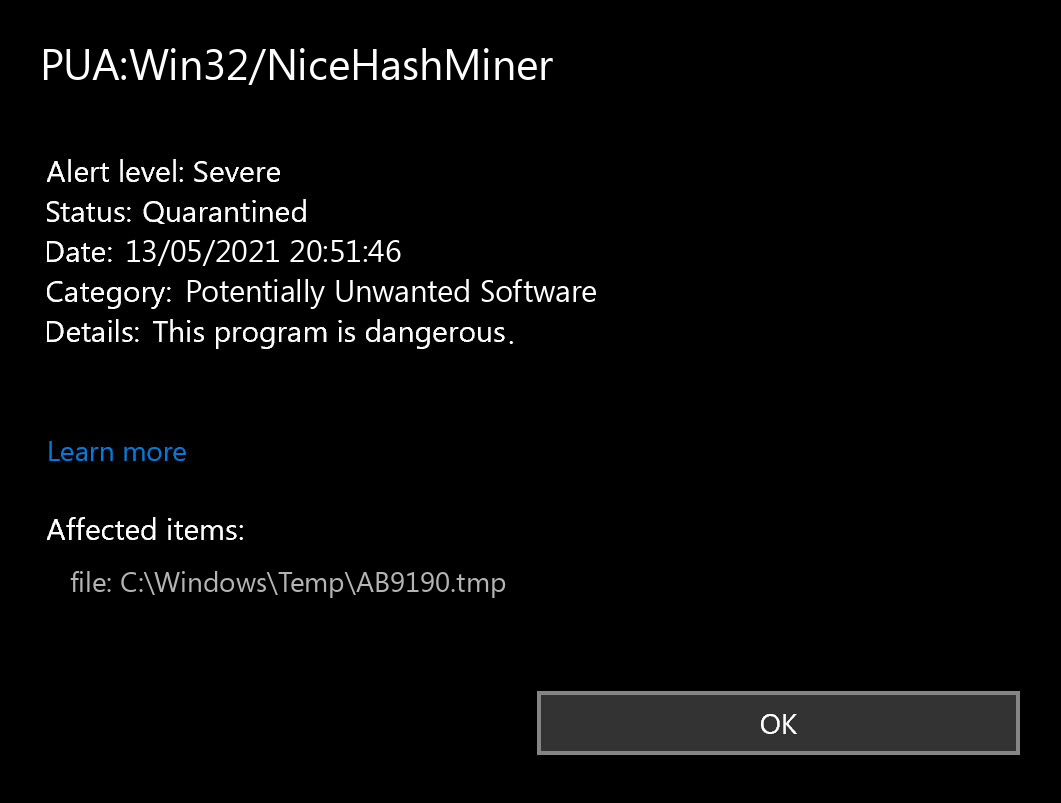
Microsoft Defender: “PUA:Win32/NiceHashMiner”
To put it simply, the message “PUA:Win32/NiceHashMiner Found” throughout the usual use your computer system does not imply that the NiceHashMiner has finished its objective. If you see such a message then it could be the proof of you checking out the infected page or filling the harmful documents. Try to avoid it in the future, but do not bother excessive. Experiment with opening up the antivirus program as well as inspecting the PUA:Win32/NiceHashMiner discovery log documents. This will certainly provide you even more info concerning what the precise NiceHashMiner was identified and also what was specifically done by your anti-virus software with it. Of course, if you’re not positive sufficient, describe the hand-operated scan– at any rate, this will be valuable.
How to scan for malware, spyware, ransomware, adware, and other threats.
If your system operates in an incredibly sluggish means, the web pages open in an odd way, or if you see advertisements in places you’ve never ever expected, it’s feasible that your system obtained contaminated and the infection is now active. Spyware will certainly track all your tasks or reroute your search or home pages to the areas you do not wish to check out. Adware might contaminate your web browser as well as even the whole Windows OS, whereas the ransomware will certainly attempt to block your computer as well as demand a tremendous ransom money amount for your very own data.
How to scan your PC for PUA:Win32/NiceHashMiner?
Use Safe Mode to fix the most complex PUA:Win32/NiceHashMiner issues.
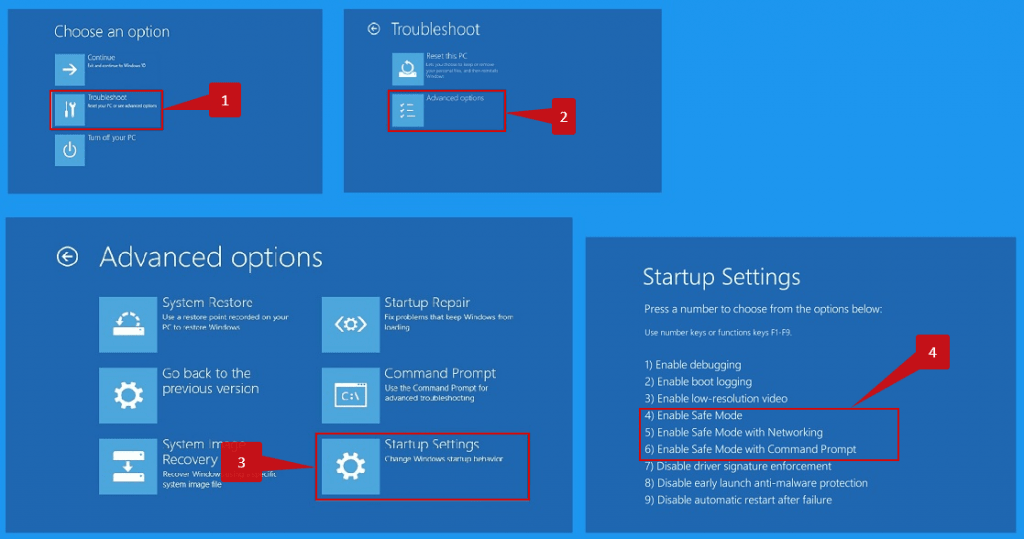
It’s not sufficient to simply use the antivirus for the security of your computer. You need to have a more comprehensive antivirus app. Not all malware can be detected by regular antivirus scanners that mostly seek virus-type risks. Your system might have lots of “junk”, as an example, toolbars, Chrome plugins, dubious search engines, bitcoin-miners, as well as other sorts of unwanted programs used for earning money on your inexperience. Be cautious while downloading and install programs on the internet to stop your gadget from being filled with unwanted toolbars and also other scrap data.


Leave a Comment