
What is JS:Agent-DUQ [Trj] infection?
In this short article you will certainly find concerning the definition of JS:Agent-DUQ [Trj] and its negative influence on your computer. Such ransomware are a kind of malware that is specified by on-line scams to require paying the ransom money by a sufferer.
Most of the cases, JS:Agent-DUQ [Trj] infection will advise its victims to launch funds move for the function of neutralizing the modifications that the Trojan infection has introduced to the sufferer’s tool.
JS:Agent-DUQ [Trj] Summary
These adjustments can be as adheres to:
- Attempts to connect to a dead IP:Port (1 unique times);
- Performs some HTTP requests;
- A wscript.exe process commonly used in script or document file downloaders initiated network activity;
- Attempts to modify proxy settings. This trick used for inject malware into connection between browser and server;
- Ciphering the papers found on the sufferer’s hard disk drive — so the target can no longer make use of the data;
- Preventing routine accessibility to the sufferer’s workstation. This is the typical behavior of a virus called locker. It blocks access to the computer until the victim pays the ransom.
Similar behavior
Related domains
| khoagiangiao.com | Trojan-Ransom.Script.Locky |
JS:Agent-DUQ [Trj]
The most typical networks where JS:Agent-DUQ [Trj] are injected are:
- By ways of phishing emails;
- As a repercussion of user ending up on a resource that hosts a harmful software;
As quickly as the Trojan is effectively injected, it will certainly either cipher the information on the victim’s computer or avoid the tool from working in a proper way – while additionally positioning a ransom money note that points out the requirement for the victims to impact the repayment for the purpose of decrypting the records or restoring the file system back to the preliminary condition. In a lot of instances, the ransom money note will certainly come up when the client reboots the COMPUTER after the system has actually currently been damaged.
JS:Agent-DUQ [Trj] distribution networks.
In numerous edges of the world, JS:Agent-DUQ [Trj] expands by leaps and bounds. However, the ransom money notes and also methods of obtaining the ransom amount may differ depending on certain regional (regional) setups. The ransom money notes as well as techniques of obtaining the ransom amount may vary depending on particular regional (local) settings.
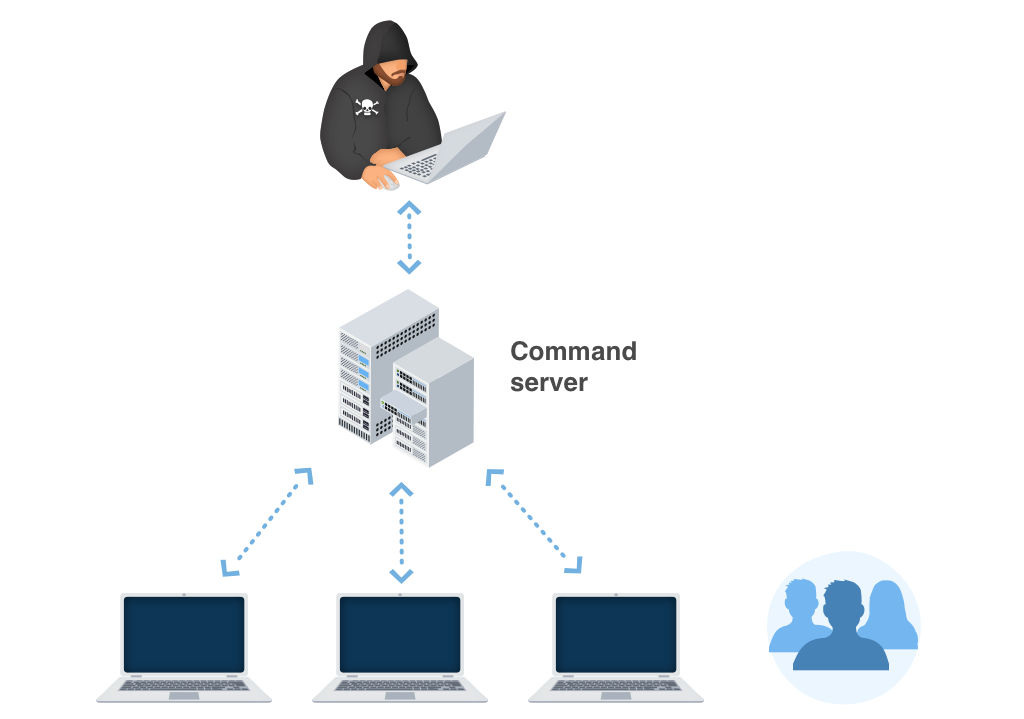
For instance:
Faulty notifies regarding unlicensed software.
In specific locations, the Trojans commonly wrongfully report having found some unlicensed applications allowed on the sufferer’s device. The sharp after that demands the customer to pay the ransom money.
Faulty statements about illegal content.
In countries where software application piracy is much less popular, this approach is not as effective for the cyber frauds. Conversely, the JS:Agent-DUQ [Trj] popup alert might falsely claim to be stemming from a police institution as well as will certainly report having situated kid porn or various other prohibited data on the tool.
JS:Agent-DUQ [Trj] popup alert might incorrectly declare to be acquiring from a legislation enforcement institution as well as will report having situated kid porn or various other prohibited information on the tool. The alert will similarly consist of a need for the customer to pay the ransom.
Technical details
File Info:
crc32: 09DF4876md5: 0d2b69c2685fd49a94a958b10fe23e07name: Image4704012724502.zipsha1: 518c7394fb27403dbdf0b2bfe5c96aab3319eb49sha256: e4172f780bdaad6c51f4d83f4033f2fe8c6760be58eeb42d9a174be9b123dd4csha512: ea0550f3b4255e3bead56faffe7226a009914cfb9c97226edd900c6afd28b817f56a53de3ba673a8fa8d48a55f35b806b01b7cd973a94c08c084d494d1824faessdeep: 96:svh9oFRxZesIVSB3psqR+7UDo/J1d5bE6wegGh64U:sanHkSrO/fd5bAG04Utype: Zip archive data, at least v2.0 to extractVersion Info:
0: [No Data]
JS:Agent-DUQ [Trj] also known as:
| GridinSoft | Trojan.Ransom.Gen |
| CAT-QuickHeal | JS.Dropper.G |
| McAfee | JS/Nemucod.eq |
| VIPRE | Trojan-Downloader.JS.Nemucod.g (v) |
| BitDefender | JS:Trojan.JS.Downloader.EG |
| K7GW | Trojan ( 004dfe6d1 ) |
| K7AntiVirus | Trojan ( 004dfe6d1 ) |
| Baidu | JS.Trojan.Nemucod.bp |
| Cyren | JS/Locky.H1.gen |
| Symantec | SecurityRisk.gen1 |
| ESET-NOD32 | JS/TrojanDownloader.Nemucod.LP |
| TrendMicro-HouseCall | JS_NEMUCOD.SMVV2 |
| Avast | JS:Agent-DUQ [Trj] |
| GData | JS:Trojan.JS.Downloader.EG |
| Kaspersky | Trojan-Downloader.JS.Agent.jkb |
| NANO-Antivirus | Trojan.Script.Nemucod.ebdlzx |
| Ad-Aware | JS:Trojan.JS.Downloader.EG |
| Emsisoft | JS:Trojan.JS.Downloader.EG (B) |
| F-Secure | Trojan-Downloader:JS/Dridex.W |
| DrWeb | JS.DownLoader.1225 |
| TrendMicro | JS_NEMUCOD.SMVV2 |
| McAfee-GW-Edition | JS/Nemucod.eq |
| Sophos | Mal/DrodZp-A |
| F-Prot | JS/Locky.H1!Eldorado |
| Jiangmin | TrojanDownloader.Script.bfx |
| Avira | HEUR/Suspar.Gen |
| Antiy-AVL | Trojan/Generic.ASMalwRG.21 |
| Arcabit | JS:Trojan.JS.Downloader.EG |
| AegisLab | Troj.Downloader.Script!c |
| AhnLab-V3 | JS/Obfus.S14 |
| ZoneAlarm | Trojan-Downloader.JS.Agent.jkb |
| Microsoft | TrojanDownloader:JS/Swabfex.P |
| ALYac | JS:Trojan.JS.Downloader.EG |
| AVware | Trojan-Downloader.JS.Nemucod.g (v) |
| Tencent | Js.Trojan.Raas.Auto |
| Ikarus | Trojan-Ransom.Script.Locky |
| Fortinet | Malware_Generic.P0 |
| AVG | JS/Downloader.Agent |
| Qihoo-360 | trojan.js.downloader.1 |
How to remove JS:Agent-DUQ [Trj] ransomware?
Unwanted application has ofter come with other viruses and spyware. This threats can steal account credentials, or crypt your documents for ransom.
Reasons why I would recommend GridinSoft1
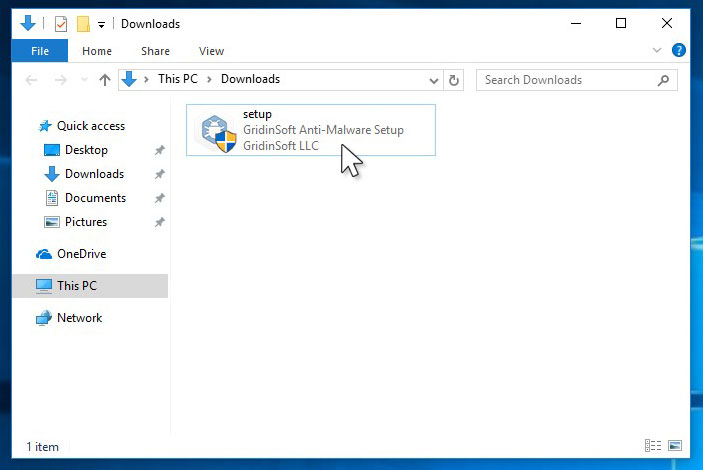
Run the setup file.
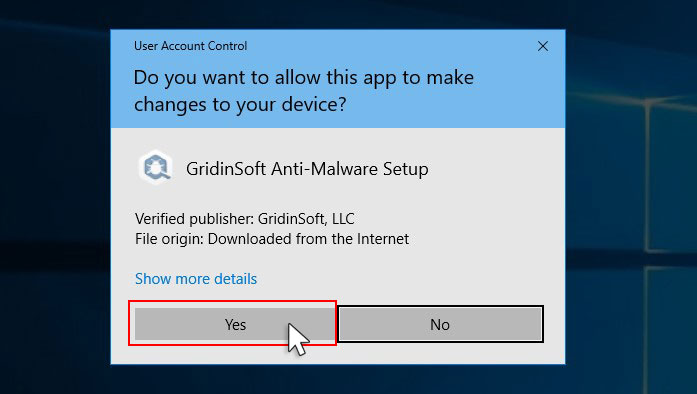
Press “Install” button.
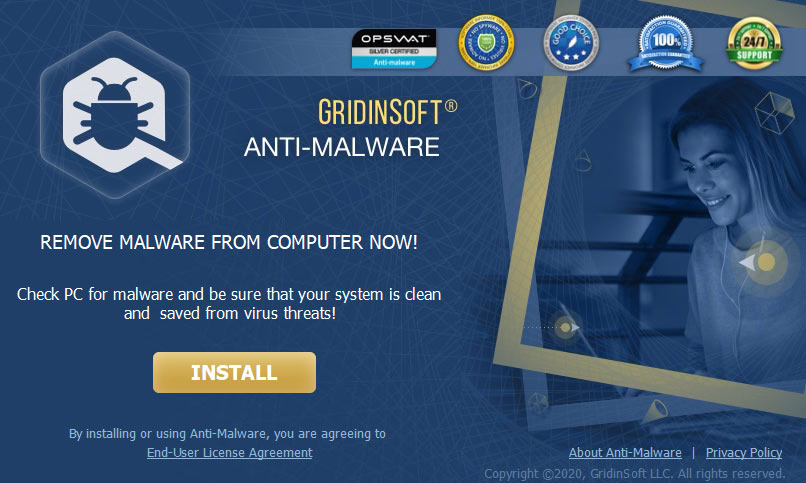
Once installed, Anti-Malware will automatically run.
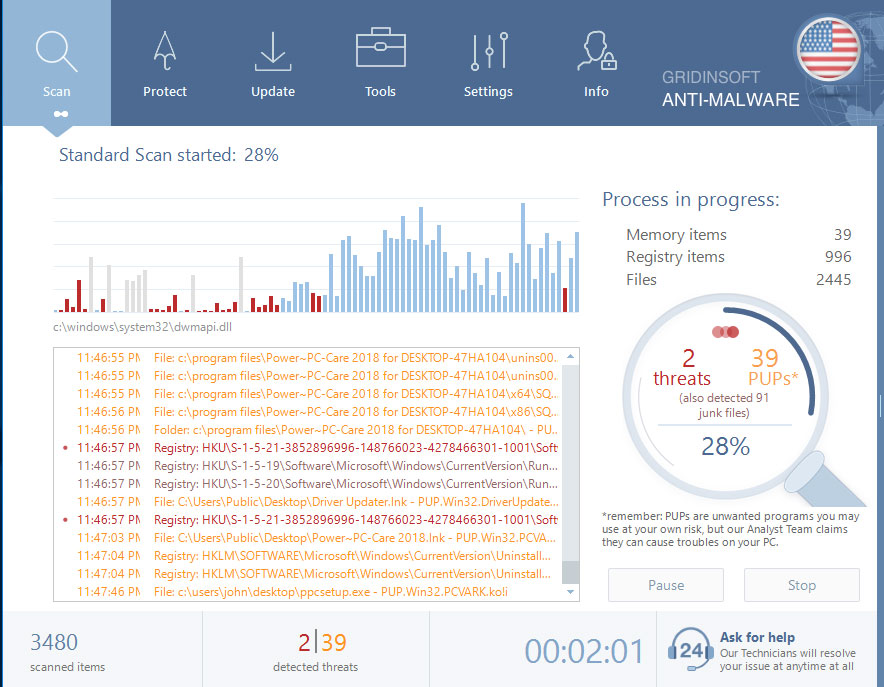
Wait for the Anti-Malware scan to complete.
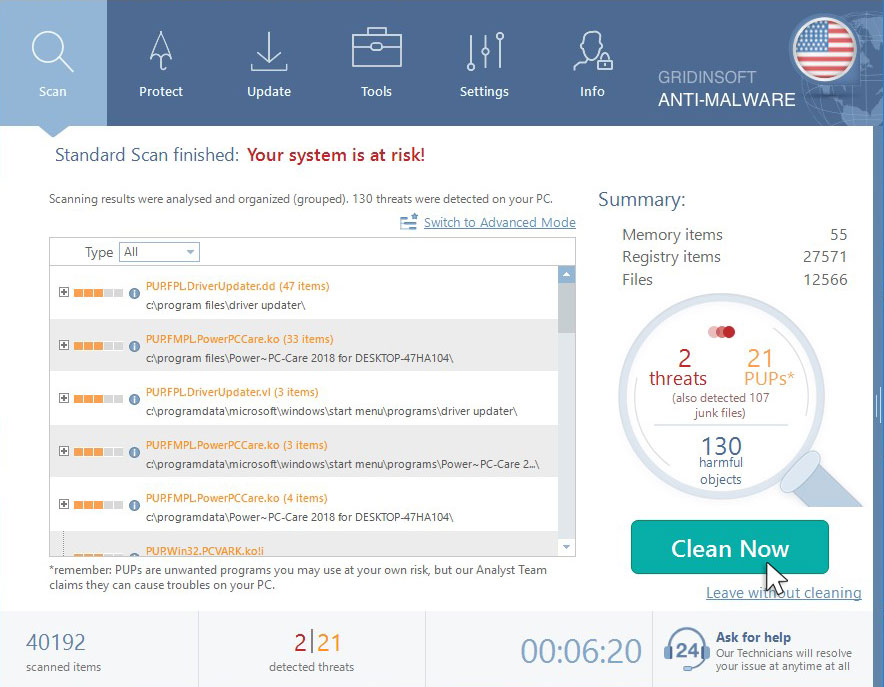
Click on “Clean Now”.
Are Your Protected?
If the guide doesn’t help you to remove JS:Agent-DUQ [Trj] you can always ask me in the comments for getting help.


Leave a Comment