
If you see the message reporting that the HackTool:Win32/Oylecann.A was located on your Windows PC, or in times when your computer system functions slowly as well as gives you a lot of frustrations, you most definitely make up your mind to check it for Oylecann and tidy it in a proper way. Now I will certainly tell to you exactly how to do it.
Most of Oylecann are used to make a profit on you. The criminals specify a variety of unwanted programs to take your charge card information, online banking qualifications, and various other facts for illegal functions.
Threat Summary:
| Name | Oylecann HackTool |
| Detection | HackTool:Win32/Oylecann.A |
| Details | Low Orbit Ion Cannon is an open-source network stress testing and denial-of-service attack application, written in C#. LOIC was initially developed by Praetox Technologies but was later released into the public domain, and now is hosted on several open-source platforms. |
Types of viruses that were spread 10 years ago are no longer the source of the issue. Currently, the trouble is a lot more noticeable in the areas of blackmail or spyware. The difficulty of taking care of these concerns calls for new tools as well as new techniques.
Does your antivirus regularly report about the “Oylecann”?
If you have seen a message showing the “HackTool:Win32/Oylecann.A found”, then it’s a piece of good news! The PC virus “HackTool:Win32/Oylecann.A” was identified as well as, more than likely, erased. Such messages do not imply that there was a really energetic Oylecann on your device. You can have merely downloaded documents that contained HackTool:Win32/Oylecann.A, so your antivirus software application immediately removed it prior to it being launched and created the problems. Additionally, the destructive script on the contaminated site can have been discovered as well as protected against before triggering any kind of problems.
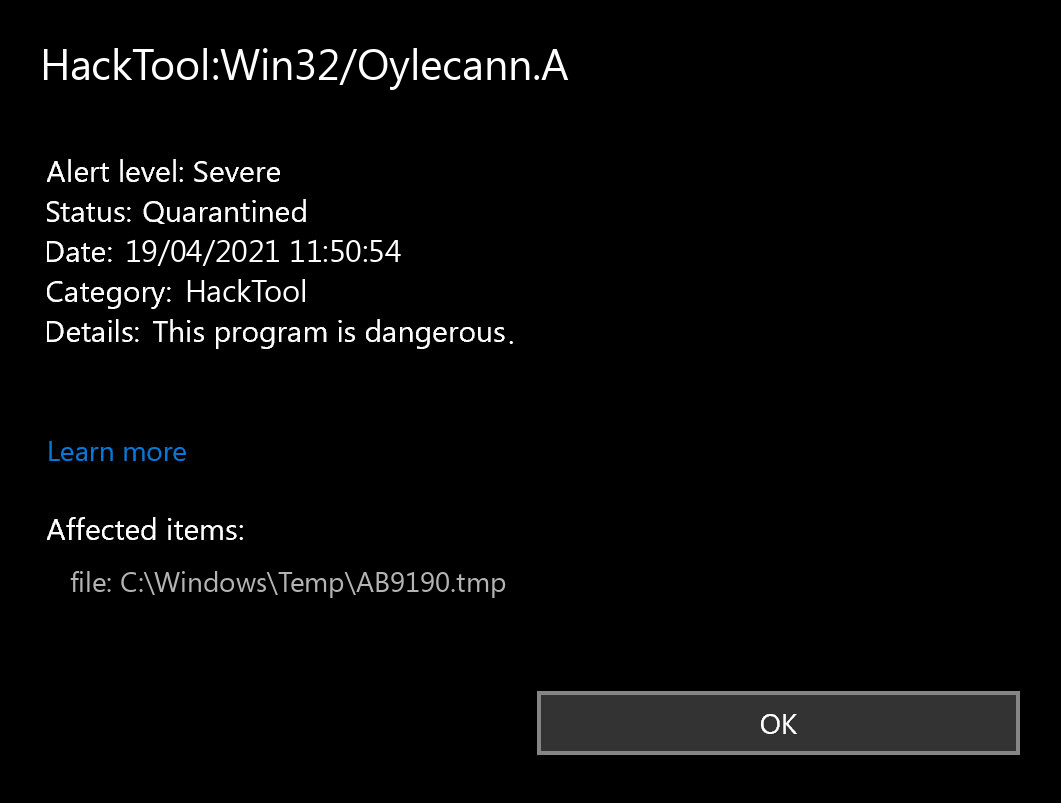
Microsoft Defender: “HackTool:Win32/Oylecann.A”
Simply put, the message “HackTool:Win32/Oylecann.A Found” during the typical use of your computer system does not imply that the Oylecann has finished its mission. If you see such a message after that maybe the evidence of you going to the contaminated page or loading the malicious documents. Attempt to avoid it in the future. However, do not panic too much. Experiment with opening up the antivirus program as well as checking the HackTool:Win32/Oylecann.A discovery log file. This will provide you with even more details regarding what the exact Oylecann was discovered and what was specifically done by your anti-virus software application with it. Of course, if you’re not certain sufficient, describe the hands-on scan– anyway, this will certainly be useful.
How to scan your PC for HackTool:Win32/Oylecann.A?
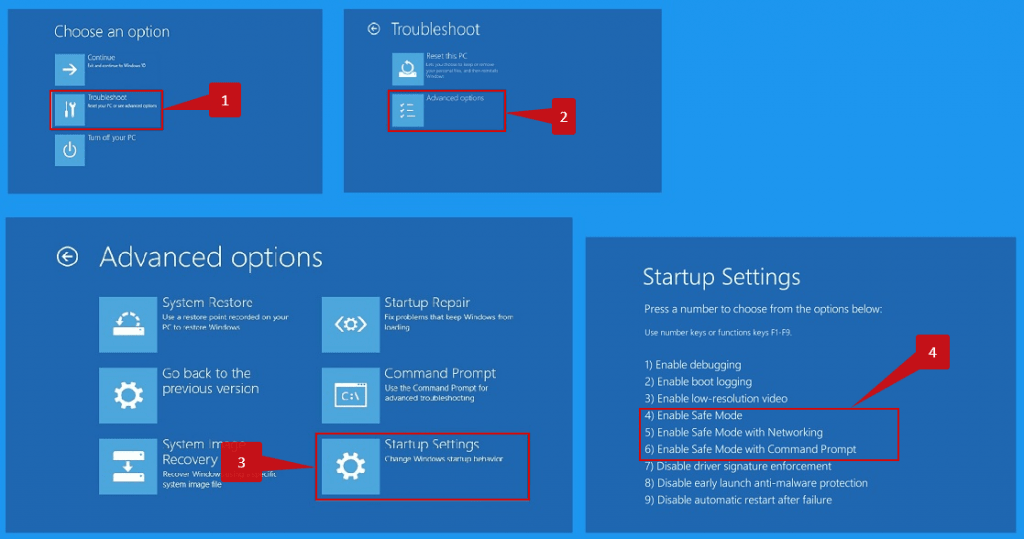
Use Safe Mode to fix the most complex HackTool:Win32/Oylecann.A issues.
It’s not enough to just use the antivirus for the safety and security of your system. You need to have a more thorough antivirus service. Not all malware can be spotted by regular antivirus scanners that largely search for virus-type risks. Your system might teem with “trash”, for example, toolbars, internet browser plugins, unethical search engines, bitcoin-miners, and also other sorts of unwanted software used for earning money on your inexperience. Beware while downloading apps online to prevent your device from being loaded with unwanted toolbars and also other junk information.


Leave a Comment