
Cheat Engine itself is not a virus. A few antiviruses mark Cheat Engine as malware or HackTool because it can attach itself to processes and modify memory. The installer you download through their official website is bundled with adware.
Cheat Engine is a legitimate software tool that allows users to modify and manipulate the behavior of computer games. It is primarily used for cheating in video games by enabling players to alter various parameters, such as character attributes, game difficulty, or in-game currency.
Cheat Engine works by scanning the memory of a game process and identifying specific values associated with certain game variables, such as health points or ammunition. Users can then modify these values to their advantage, granting themselves unlimited health, resources, or other advantages not intended by the game developers.
While Cheat Engine itself is not inherently malicious and can be used for legitimate purposes, such as debugging or creating game modifications with the developer’s consent, it is often associated with unauthorized cheating and hacking in online multiplayer games. As a result, many game developers and anti-cheat systems consider Cheat Engine a potential threat and may flag it as suspicious or potentially unwanted software.
Does your antivirus regularly report about the “CheatEngine”?
If you have seen a message indicating the “HackTool:Win32/CheatEngine!MSR found”, after that it’s an item of good information! The malware “HackTool:Win32/CheatEngine!MSR” was spotted as well as, more than likely, deleted. Such messages do not suggest that there was an actually active CheatEngine on your device. You could have just downloaded a documents which contained “Cheat Engine”, so your antivirus software automatically removed it before it was introduced as well as created the difficulties. Alternatively, the malicious script on the infected web site can have been discovered and also stopped prior to triggering any type of troubles.
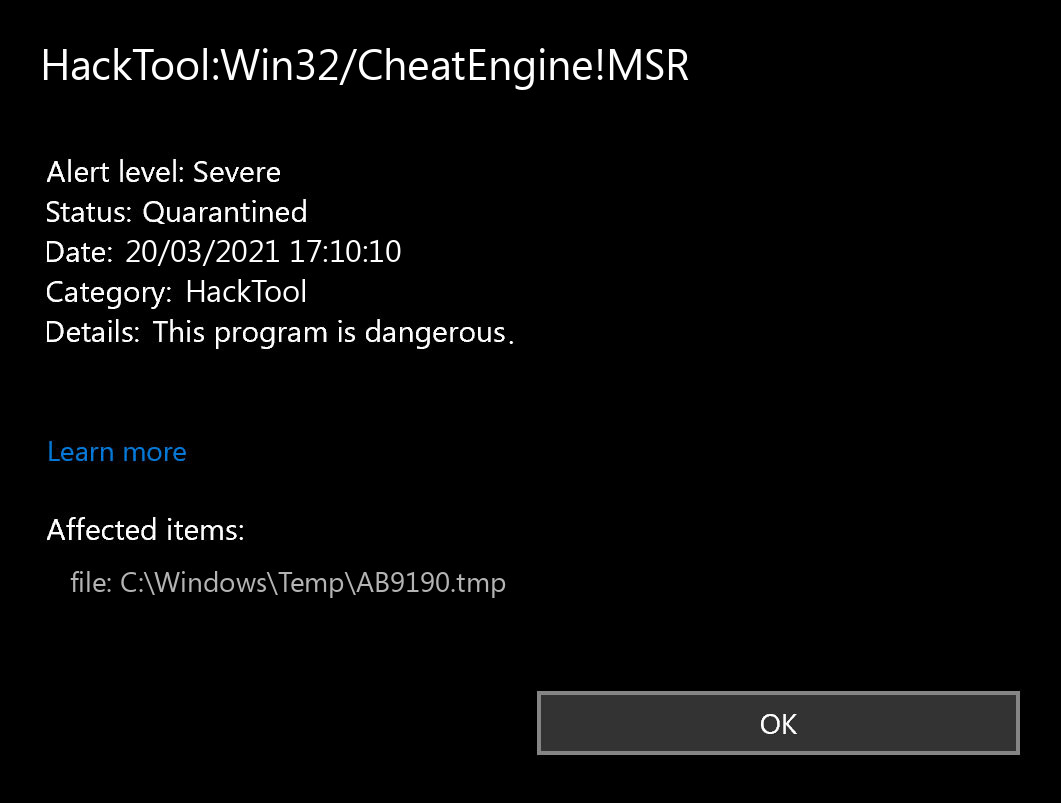
Microsoft Defender: “HackTool:Win32/CheatEngine!MSR”
To put it simply, the message “HackTool:Win32/CheatEngine!MSR Found” during the usual use your computer system does not suggest that the CheatEngine has actually finished its objective. If you see such a message then maybe the proof of you visiting the infected page or packing the malicious file. Attempt to prevent it in the future, however do not worry too much. Explore opening up the antivirus program and inspecting the CheatEngine discovery log documents. This will certainly provide you with more info concerning what the precise CheatEngine was detected and what was especially done by your anti-virus software with it. Certainly, if you’re not certain enough, refer to the hands-on check– anyway, this will certainly be valuable.
How to scan for malware, spyware, ransomware, adware, and other threats.
If your computer operates in an incredibly sluggish way, the website open in an unusual way, or if you see ads in the position you’ve never expected, it’s possible that your system got infected and the virus is currently active. Spyware will track all your tasks or reroute your search or home pages to the locations you don’t want to see. Adware may contaminate your browser and also the whole Windows OS. In contrast, the ransomware will attempt to obstruct your computer and demand a tremendous ransom money quantity for your data.
How to scan your PC for HackTool:Win32/CheatEngine!MSR?
Use Safe Mode to fix the most complex HackTool:Win32/CheatEngine!MSR issues.
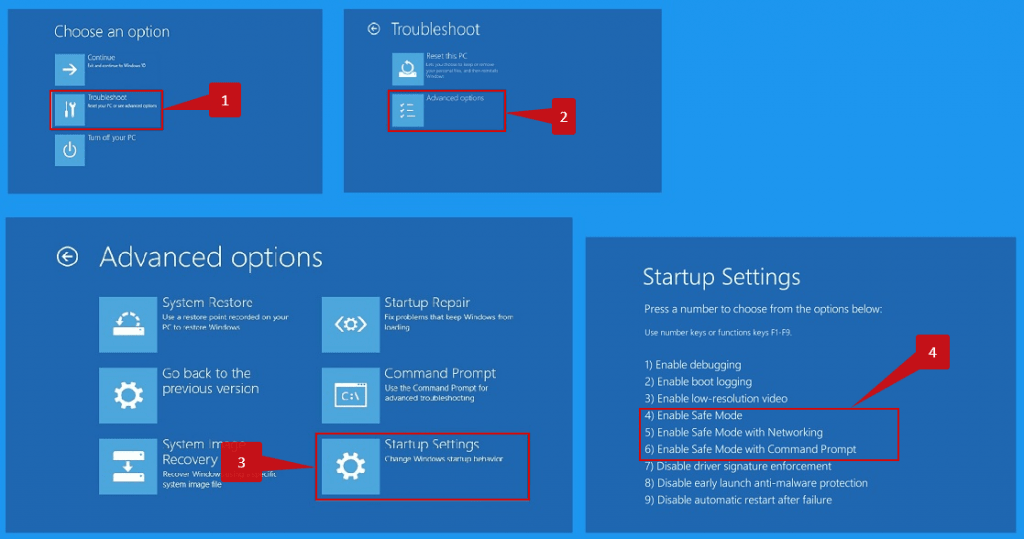
It’s not sufficient to use the antivirus to secure your system. You need to have an extra extensive antivirus solution. Not all malware can be detected by typical antivirus scanners that largely seek virus-type risks. Your computer may contain “trash”, for instance, toolbars, internet browser plugins, unethical internet search engines, bitcoin-miners, as well as other sorts of unwanted software used for making money on your inexperience. Beware while downloading and installing software on the web to stop your device from being filled with unwanted toolbars and also other junk data.


Leave a Comment