
Seeing the redirection to Fire Shield means that you are infected with browser hijacker virus. Such a pest aims at modifying your web browser in order to earn money on advertising.
Hijacker malware that redirects your queries to Fire Shield website most probably has a promotion contract. Even though it looks more annoying than threatening, it can create a mess in your system as good as common malware. In particular, it can redirect you to scam sites, that resemble genuine pages and aim at stealing your credentials. In this article, I will explain the way this hijacker appeared and how to remove Fire Shield from your system.
Fire Shield Hijacker Overview
Nonetheless, the “Fire Shield” is rather useless since all such functions are already integrated to your web browser and/or Windows. Such advertising and marketing mottos are targeted at low-skilled computer users. But occasionally even skilled users are getting caught on such an appeal. In specific instances, this hijacker is dispersed along with free tools.

Fire Shield Search Hijacker
Here is a details for the Fire Shield hijacker
| NAME | Fire Shield |
| Site | Search.onfireshield.com |
| Hosting | AS13335 Cloudflare, Inc. United States, San Francisco |
| Infection Type | Browser Hijacker, Unwanted Application |
| IP Address | 104.26.0.42 |
| Symptoms | Changed search engine; search queries redirection |
| Similar behavior | Ld6566, Lp, Doukoula |
| Fix Tool |
To remove possible virus infections, try to scan your PC
|
How harmful is Fire Shield hijacker?
Besides its impracticality, Fire Shield hijacker is additionally considerably unsafe for browser utilization. It transforms your search engine to its specific – Search.onfireshield.com, and likewise alters your background, putting its watermark on your background image (or, in some cases, changing it to default with the specified symbol).
In addition to aesthetic modifications done by Fire Shield hijacker, you may notice that some of your search questions are redirecting to the unknown websites, full of links and advertisements – so-called doorway websites. Such sites can include links for malware downloads. The chance of redirecting boosts if you try to launch Google search page by force.
However all these activities are a lot more frustrating than truly hazardous. The main risk, especially for people who have a lot of confidential information in their internet browsers, is embedded in information collecting functionalities. Cookie files, chats, often-visited sites, as well as various other activities are easily collected by Fire Shield hijacker.
How to remove Fire Shield search hijacker?
- “Move to quarantine” all items.
- Open “Tools” tab – Press “Reset Browser Settings“.
- Select proper browser and options – Click “Reset”.
- Restart your computer.
Browser hijackers are generally very very easy to delete. Most of the times, they have an independent app that can be found in the list of installed programs. Because of the specific distribution manner of Fire Shield hijacker, it can be easily tracked and erased manually.
However, if you got Fire Shield in the package with a free applications, your system may be infected with far more harmful malware – trojans, spyware or perhaps ransomware. That’s why I’d advise you use anti-malware tools to deal with the Fire Shield PUA and all various other malware.
Deleteing Fire Shield hijacker manually
Besides using anti-malware software for browser restoration, you may choose the “Reset browser settings” function, which is usually embedded in all popular browsers.
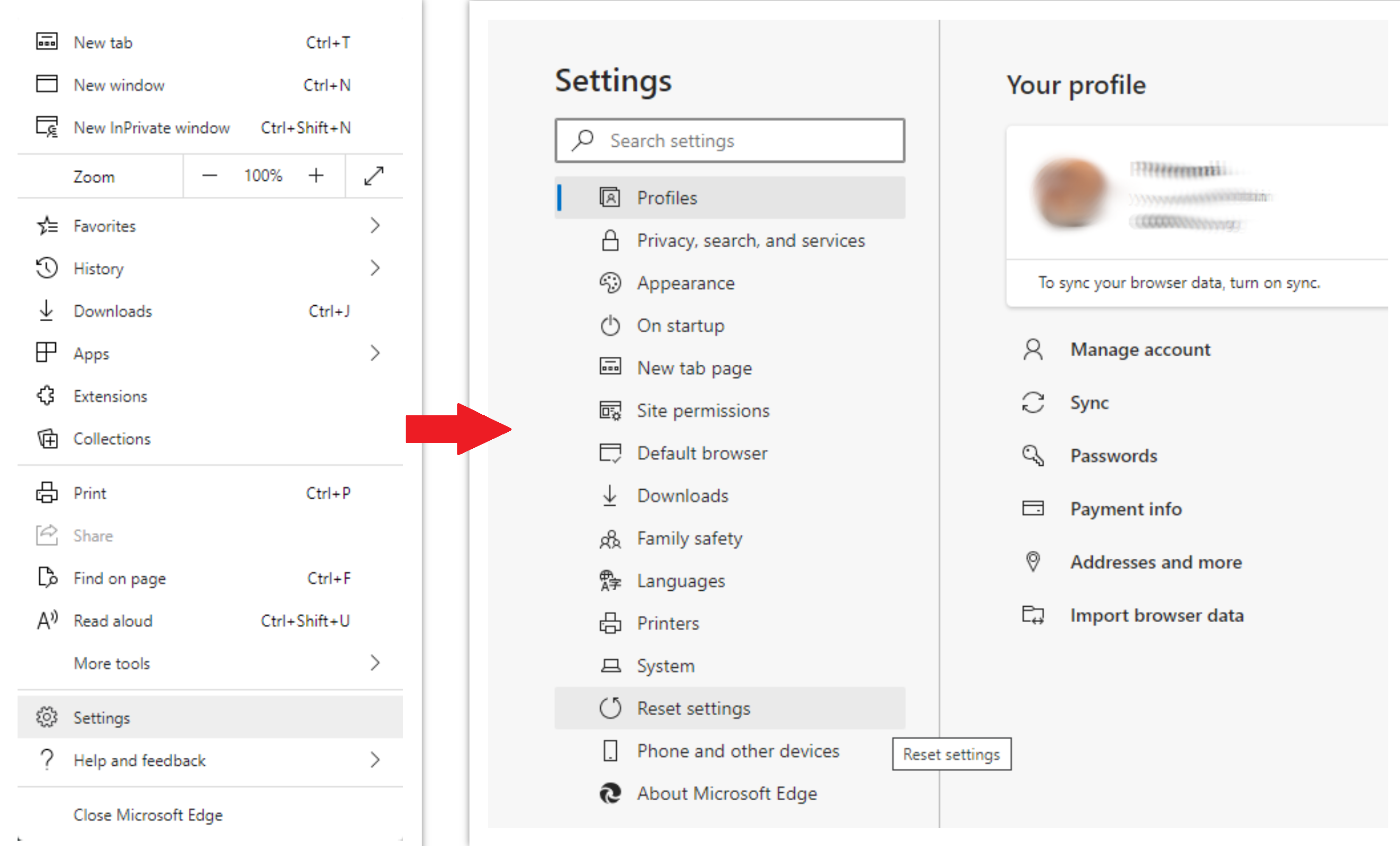
To reset Edge, do the following steps :
- Open “Settings and more” tab in upper right corner, then find here “Settings” button. In the appeared menu, choose “Reset settings” option :
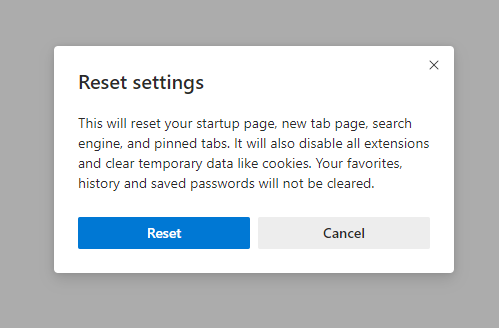
- After picking the Reset Settings option, you will see the following menu, stating about the settings which will be reverted to original :
For Mozilla Firefox, do the next actions :
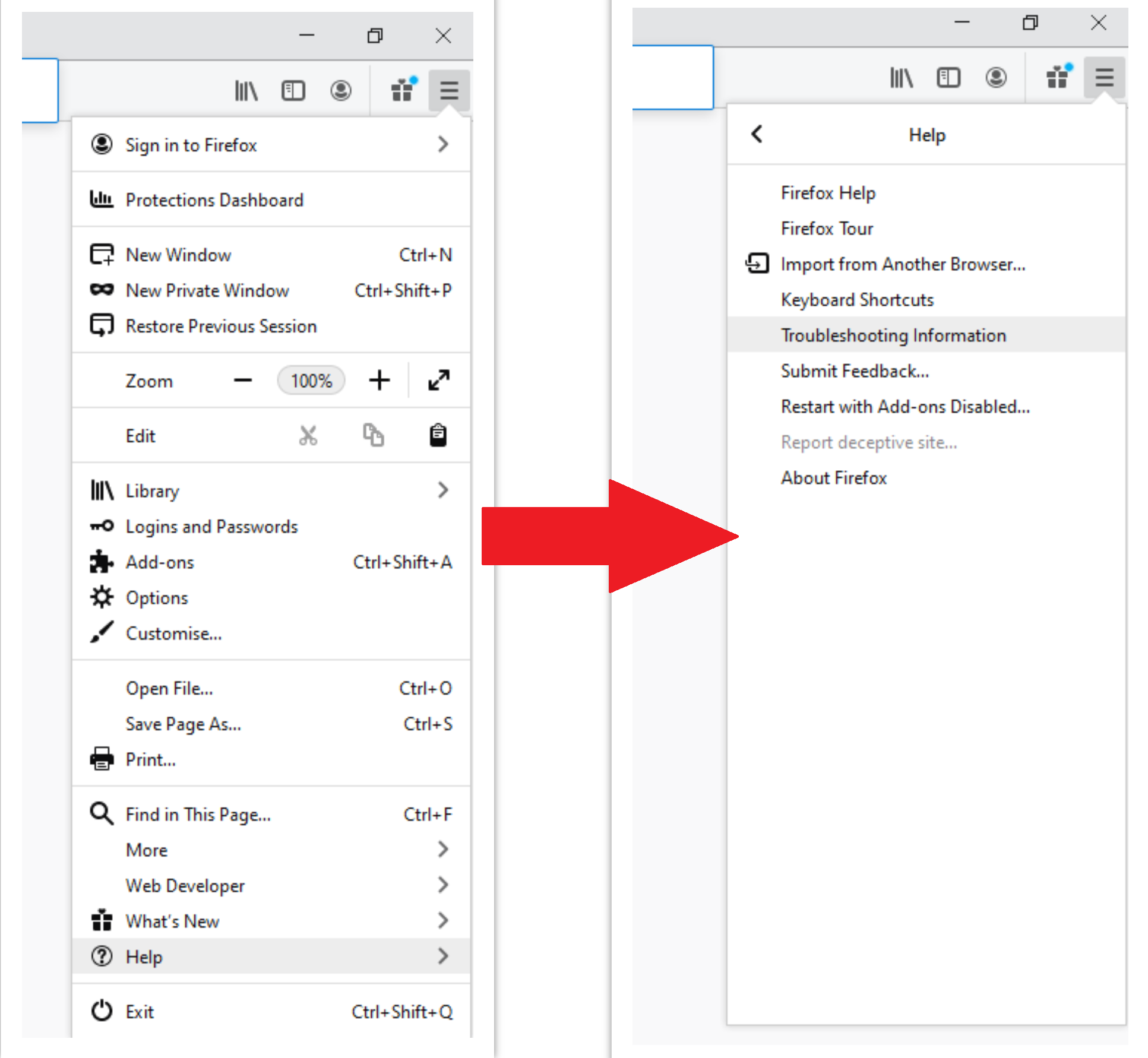
- Open Menu tab (three strips in upper right corner) and click the “Help” button. In the appeared menu choose “troubleshooting information” :
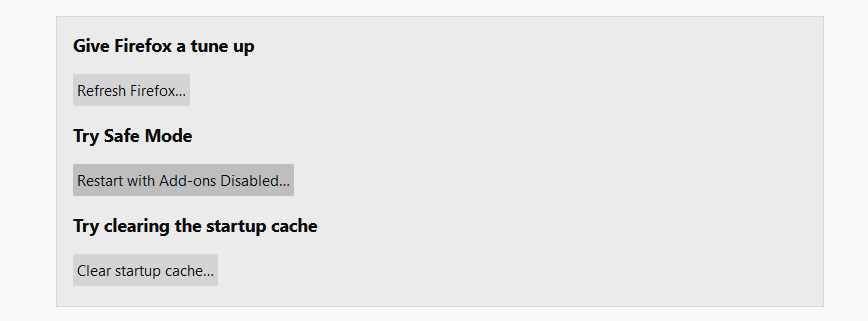
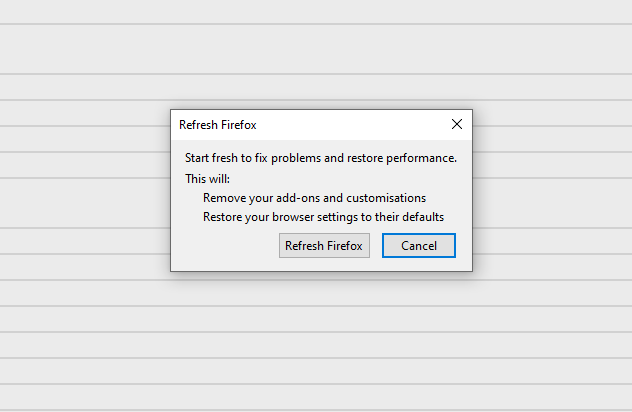
- In the next screen, find the “Refresh Firefox” option :
After choosing this option, you will see the next message :
If you use Google Chrome
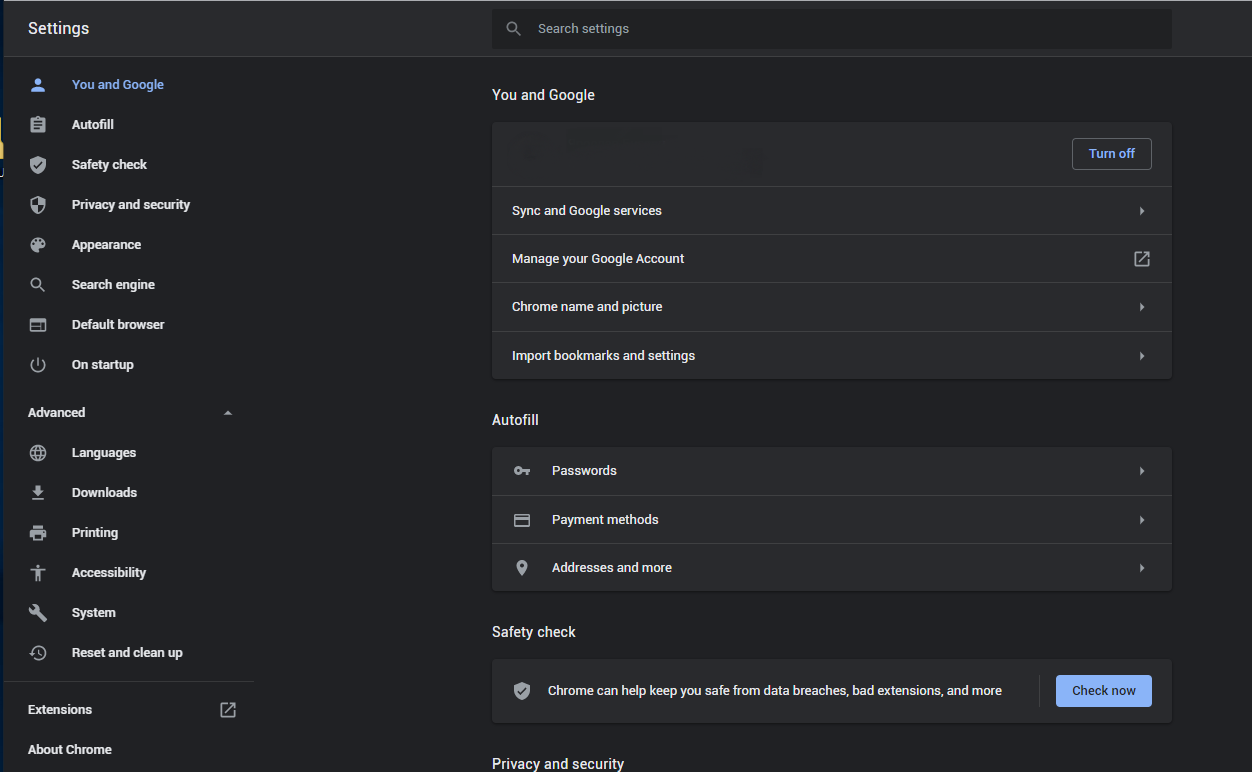
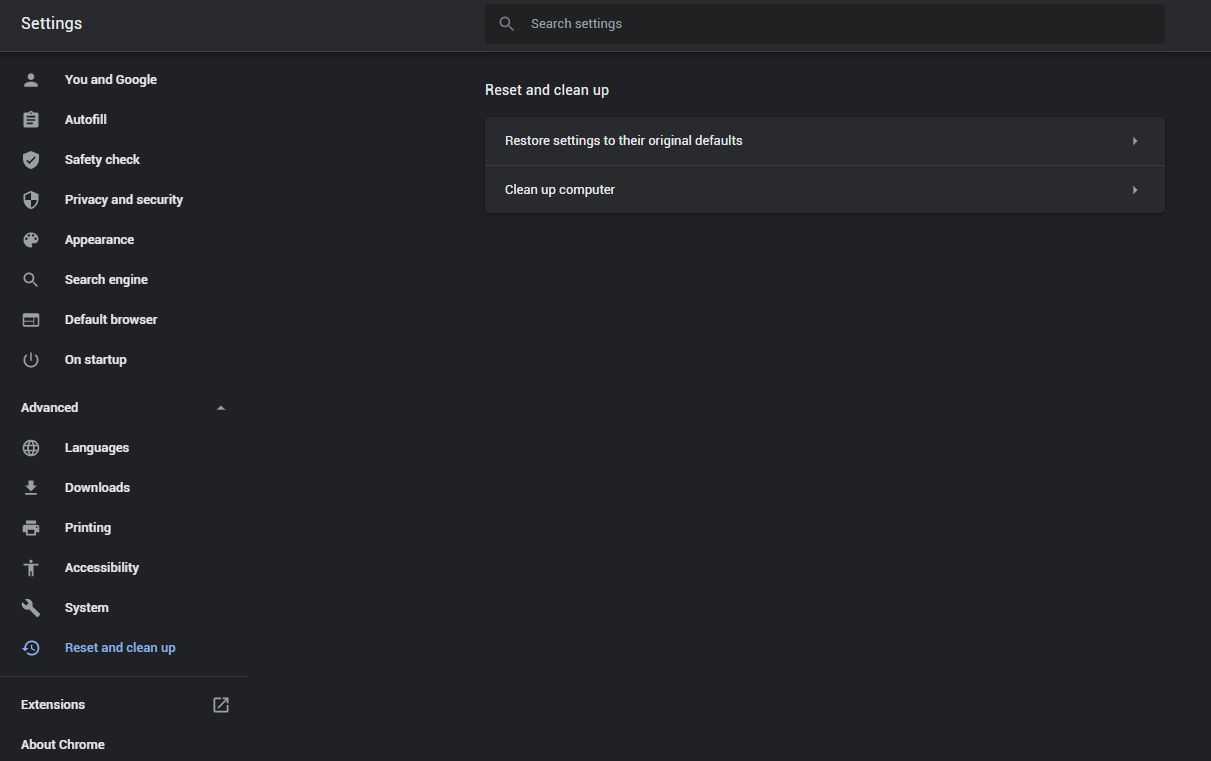
- Open Settings tab, find the “Advanced” button. In the extended tab choose the “Reset and clean up” button :
- In the appeared list, click on the “Restore settings to their original defaults” :
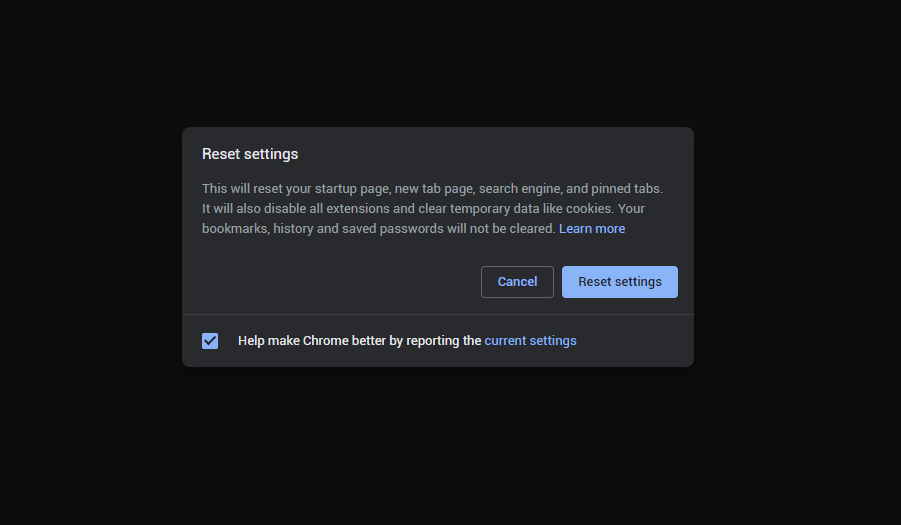
- Finally, you will see the window, where you can see all the settings which will be reset to default :
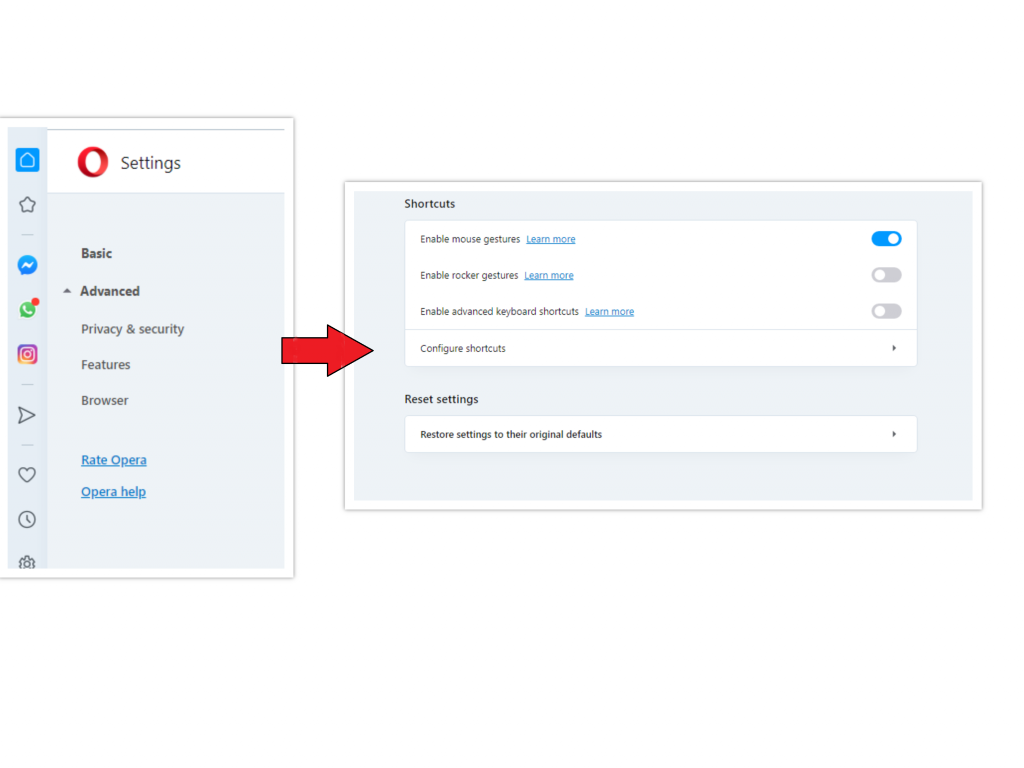
Opera can be reset in the next way
- Open Settings menu by pressing the gear icon in the toolbar (left side of the browser window), then click “Advanced” option, and choose “Browser” button in the drop-down list. Scroll down, to the bottom of the settings menu. Find there “Restore settings to their original defaults” option :
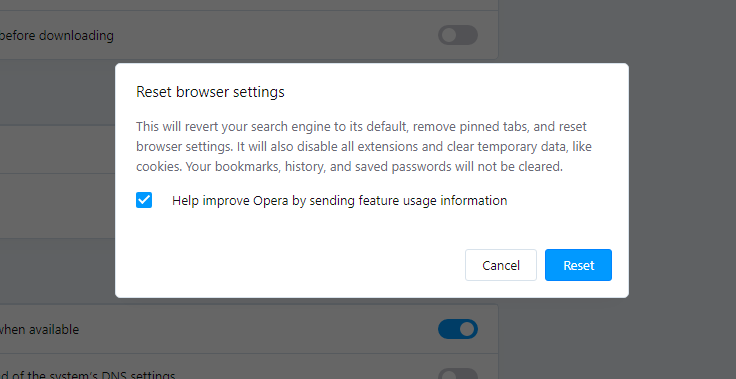
- After clicking the “Restore settings…” button, you will see the window, where all settings, which will be reset, are shown :
As an afterword, I want to say that time plays against you and your PC. The activity of browser hijacker must be stopped as soon as possible, because of the possibility of other malware injection. This malware can be downloaded autonomously, or offered for you to download in one of the windows with advertisements, which are shown to you by the hijacker. You need to act as fast as you can.


Leave a Comment