Feeage is yet another copy of the same old crypto scam playbook. It uses a sophisticated approach to lure victims. The method is predictable: create trust, show false returns, then ask for your deposit. The dashboard looks real, your balance grows, and they say your account is being “processed.” But none of it’s real. Feeage is a fraudulent operation disguised as a cryptocurrency trading platform. The site exists to trick users into thinking they’ve earned Bitcoin through promotions, then tricks them into making deposits they can never withdraw. By the time you realize it’s fake you’ve already sent your funds to the fraudsters.
| Website | Feeage.com |
| Web Host | AS22612 Namecheap, Inc. Location: United States, Los Angeles |
| Host IP | 63.250.40.241 |
| Risk Level | DANGEROUS THREAT |
| Fraud Classification | Trading Deception |
| Scam Type | Fake celebrity advertisement + psychological manipulation attack |
| Discovery Date | Active monitoring since 2025-11-01 |
| Affected Users | International victimization documented |
| Site Status | ALERT – Extreme danger |
| Estimated Losses | Millions of dollars in investor theft |
What is the Feeage Scam?
The Feeage.com scam is a complex financial fraud that targets naive cryptocurrency users. It has no licensing, regulation, or support from any financial authority. The scam mimics legitimate platforms using fake balances, celebrity deepfakes, and social media promotions. Once shut down, Feeage resurfaces under a new name with the same look and function, continuing its cycle of deception.
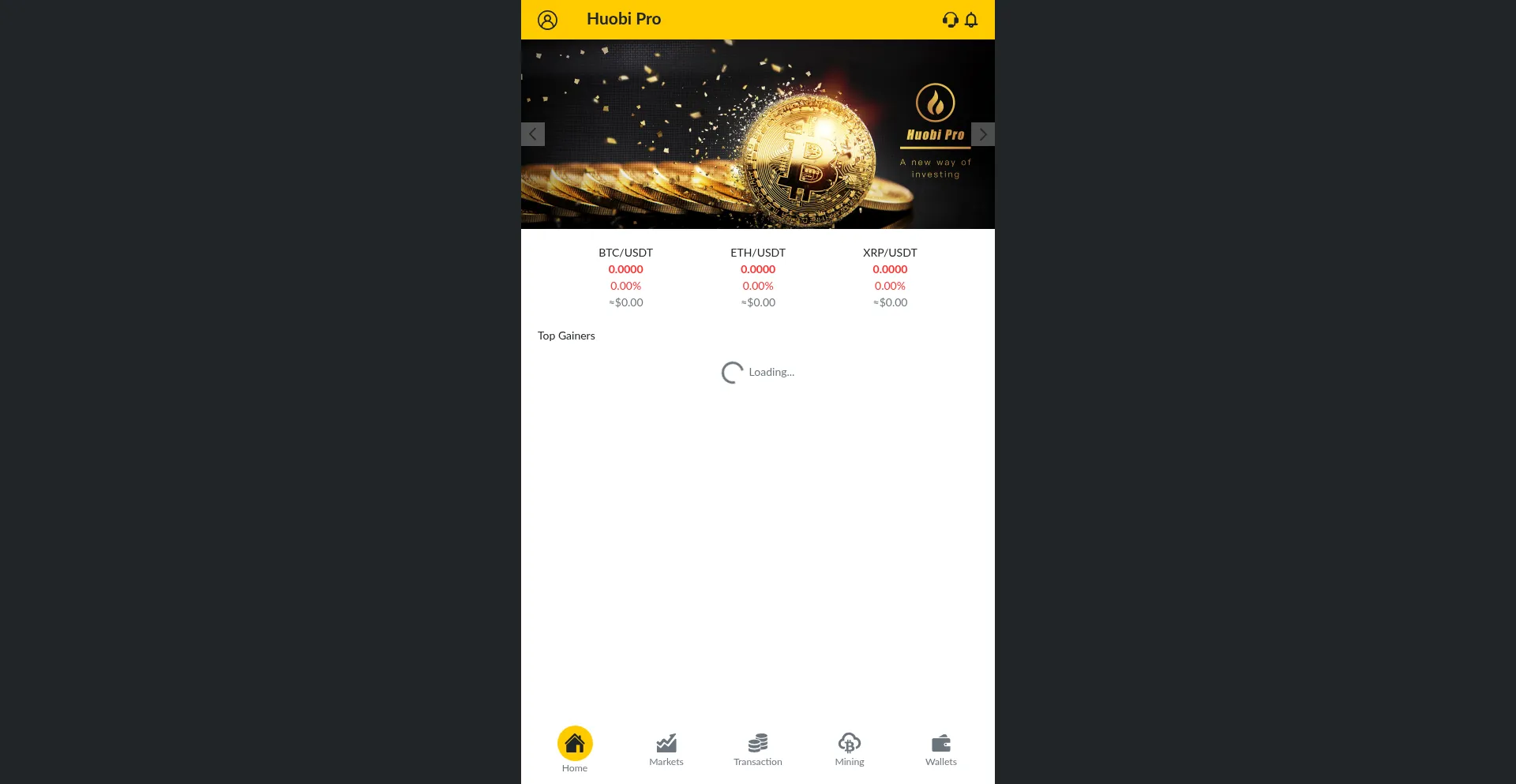
Feeage Scam
The operation starts with carefully crafted viral content, often via deepfake videos distributed across popular platforms like popular platforms known for their high user engagement. These videos impersonate high-profile celebrities, falsely claiming they endorse or partner with Feeage. The viral videos successfully funnels victims to the Feeage scam site. Users are immediately shown a apparently substantial crypto reward that seems to be authentic. When users attempt to withdraw the fake balance, they are told to deposit a small amount of Bitcoin, commonly 0.005 BTC, under the guise of “activating” the withdrawal.
When users attempt to withdraw these fake funds, the site introduces a deceptive requirement: a minimum Bitcoin deposit (usually 0.005 BTC) is needed to “unlock” the withdrawal feature. The stolen Bitcoin goes directly to the scammers. The site then either becomes unresponsive, displays error messages, or disappears altogether. The platform’s only function is to scam. To evade detection, Feeage frequently changes its domain name while maintaining the same site layout, scam structure, and fake functionalities, allowing the scam to continue uninterrupted.
What to Do if You’ve been scammed by Feeage?
If you’ve been scammed by Feeage, Soeoq or Trumpsino immediate action is critical. The top priority is to secure your digital assets, including any wallets, linked bank accounts, or authentication tools that may have been exposed. Unfortunately, money already lost to the Feeage scam is likely unrecoverable. Many scammers set up fake “recovery services” to target victims again. Instead of searching for fast fixes, users should Focus on immediate digital security. Once your accounts are secure, you may explore recovery options – but only with legitimate channels, never individuals claiming to “recover” your funds for a fee or through unknown methods. Take this time to preserve your remaining digital assets.
Damage Control:
- Immediately disconnect any authorization you provided to suspicious smart contracts.
- Use wallet management tools to remove any questionable contracts.
- Strengthen your safety by updating credentials and activating multi-factor authentication.
- Avoid clicking further links from scam messages or downloading anything.
- Inform any trading platforms that were used in the fraud.
- Save all evidence: screenshots, transaction hashes, wallet addresses, and messages.
- Distribute information about the fraud in relevant community groups.
- Continuously check your crypto accounts for any suspicious changes.
- Watch out for deceptive “assistance” individuals that may approach you.
- Exclusively trust assistance advice from official sources in the cryptocurrency industry.
Focus on securing your assets rather than retrieving lost funds. Once your situation stabilizes, report the scam to official bodies to help stop similar attacks on others.
What Are the Usual Feeage Red Flags?
Crypto scams like Feeage often reveal themselves with glaring red flags. Most scams are They aim to hook as many unsuspecting users as possible with fake promises and social engineering. Attention to detail is essential in spotting them. Recognizing emotional manipulation and ignoring suspicious messages can prevent disaster. Levelheadedness is your best defense.
One of the biggest red flags in Feeage scams is the sudden appearance of deepfake videos claiming celebrity endorsements. When you see In the case of Feeage, these are AI-generated or deepfaked. None of these endorsements are real.
Unsolicited offers promising free Bitcoin or large earnings are always suspicious. Scams like Feeage use fabricated balances to simulate success and bait the user into participation.
Requests to deposit funds before withdrawing any balance are an enormous red flag. Feeage uses this trick with fake messages requiring minimum deposits before withdrawals.
Lack of regulatory information or legal identifiers on the Feeage website also signals danger. They offer no official registration, licensing, or physical contact details. This vagueness is intentional, helping them evade authorities.
New or recently registered domain names that host the platform are another clue. The Feeage scam The scammers behind Feeage frequently rotate domains, which shows instability and intent to evade exposure.
Tips to Stay Protected From Crypto Scams Like Feeage
Avoiding scams like Feeage is far easier than recovering from them. Crypto scams like Feeage are With the right awareness, most people can recognize these traps quickly. The red flags outlined above, when recognized early, offer strong protection. If you apply the right preventive actions consistently, your chances of being scammed drop significantly.
Protection Tips :
- Remain highly skeptical of any service marketed through unsolicited online videos.
- Avoid clicking on links from unknown senders or in messages that use urgency, such as “limited-time” or “act now” prompts.
- Don’t interact with links shared via private messages, emails, or comments, even if they appear to come from public figures or official sources.
- Check if a platform is listed on reputable crypto aggregators or databases.
- Look for regulatory licensing or legal identifiers before signing up for any service.
- Regularly review and revoke permissions for any decentralized apps (dApps) or contracts that have access to your wallet.
- Never attach your digital wallet to suspicious services, especially if they appear professional.
- Maintain your core wallet securely stored and isolated from risky activities.
- Remain educated about the latest scam tactics in the cryptocurrency industry.
- Keep informed on scam patterns through verified forums.
By remaining alert and practicing these guidelines diligently, your chances of falling for scams like Feeage drop dramatically.