
Emalibble pop-up notices may show up unexpectedly, covering the material of the website you explored or opening your browser when you do not want it to be opened.
Clicking the Emalibble promotion can cause the injection of various malware or unwanted programs. In this guide, you will see the manual of Emalibble popups clearing in various methods, as well as inspecting your system for additional viruses presence.
What are Emalibble pop-ups?
Emalibble popups are a consequence of adware action. Adware is a kind of malware that shows you the pay-per-view of pay-per-click promotions, which creates a significant amount of profit for adware distributors. These advertisements may include sometimes shocking content, or have a web link to malevolent content/website, because adware maintainers have no reason to check the goodness of the material they are going to reveal – their single target is cash.
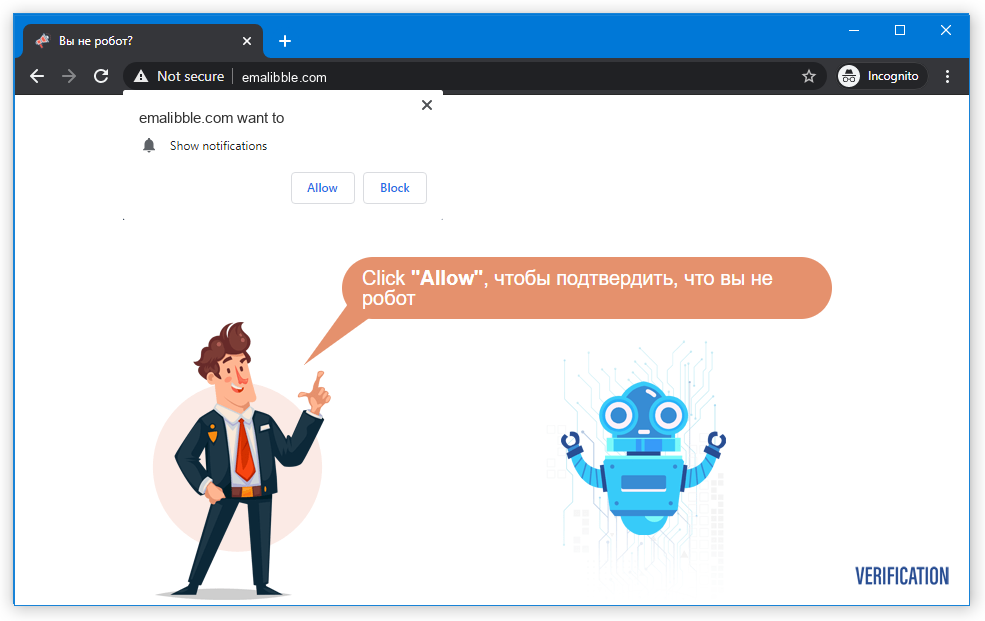
Emalibble push notification.
Pop-up advertising itself is an excellent, affordable and very efficient marketing solution1. It enables the seller to link the buyers’ interest to their site, as well as the buyers to get the dynamic updates on the goods they wish to purchase. When the person will get a pop-up alert that the TV set he wishes to purchase is provided at the online store he/she saw previously with a 15% discount, one will surely use this opportunity and purchase it. Considering the incredibly low cost for the popups and their targeting, such an advertising instrument is a favorite thing amidst the advertising departments of large internet retailers.
Nonetheless, such a successful system could not be missed by virus developers. Ability to show the popup ads forcibly to the people of malware invasion is an excellent basis for malevolent manipulations with the popup advertisements. And Emalibble.com ads is just one of hundreds that are “employed” in this system.
Here is a short details for the Emalibble site
| Site | Emalibble.com |
| Hosting | AS396362 Leaseweb USA, Inc. United States, New York City |
| Infection Type | Adware, Push notifications, Unwanted Ads, Pop-up Ads |
| IP Address | 23.81.64.183 |
| Symptoms | Annoying pop-up ads in the right corner. |
| Similar behavior | Unarbokor, Smilebox, Pushcoffeepr |
| Fix Tool |
To remove possible virus infections, try to scan your PC
|
How have I got the Emalibble virus?
There are a huge amount of ways of getting infected by the adware that cause the Emalibble popups storm. A lion’s part of this computer virus instances is after the freeware or cracked programs, that are distributed on the peering networks. Free software may additionally be downloaded from the official website, and the adware is delivered as a legit bundled program.
There is no need to blame yourself. A plenty of users regularly use the unreliable programs from untrusted providers: abandonware, various tools that are free, or even hacked programs. Every one of these kinds of software are unsafe, due to the fact that it is very simple to include a Emalibble malware under the cover of part of the license hacking script, or as a component of the self-made algoritm within the Windows optimization tool.
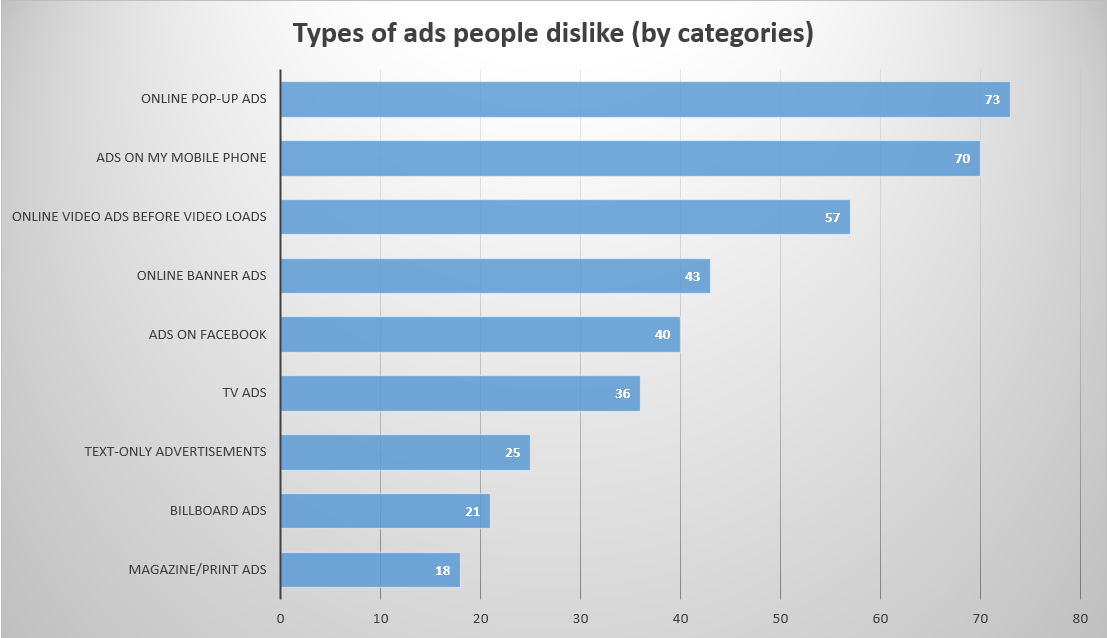
The statistic shows that people dislike popup advertising more than other types of promotions
How can I get rid of Emalibble pop-up advertisements?
The guide of Emalibble adware removal consists of 2 parts. First, we need to deal with the malware, and afterwards fix the consequences of its action. The elimination procedure is very easy, because it can be executed even with making use of Microsoft Defender – anti-malware program that is available on all personal computers with Windows 8/10. Nevertheless, as a result of its large resources usage, along with some problems that may be pivotal for some groups of users, Defender is often disabled by the users, so its utilization is likely impossible. What’s more, different trojan viruses have the ability to shut off the embedded antivirus. It is better to make use of the separated program that will not have such vulnerabilities.
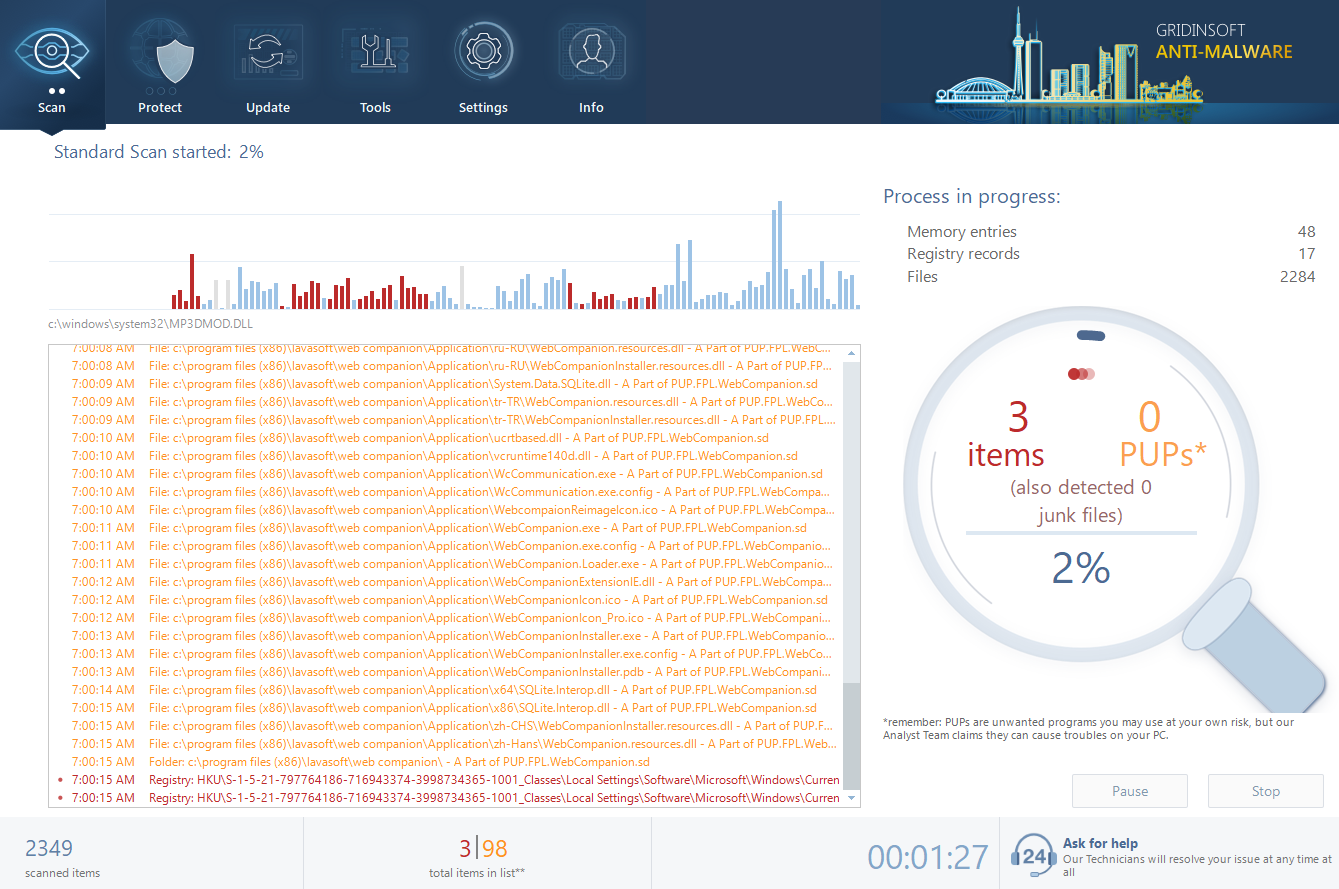
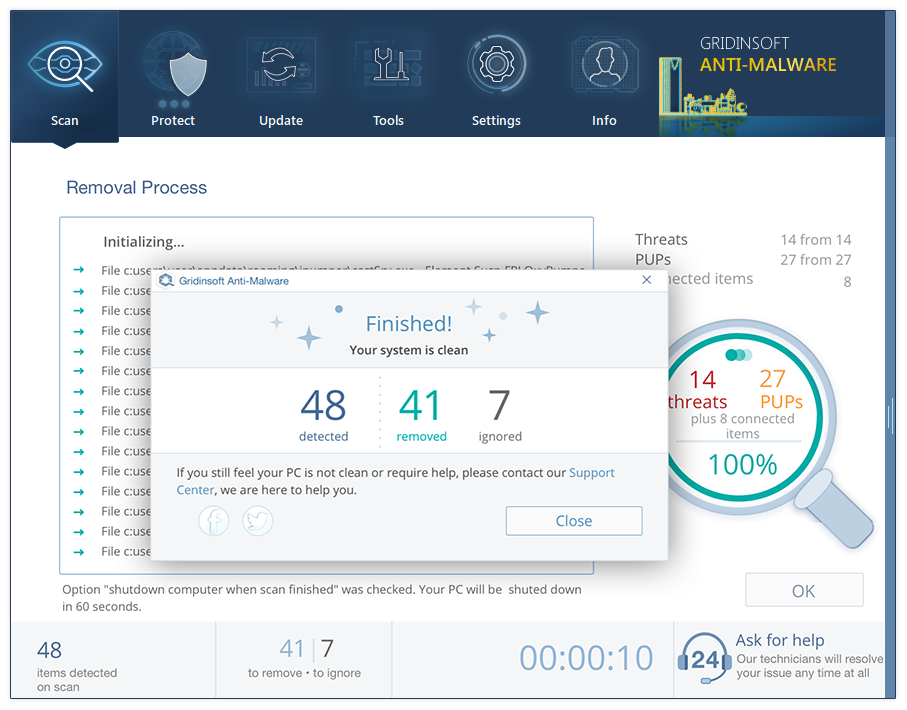
- Standard scan checks the logical disk where the system files are stored, together with the files of programs you have already installed. The scan lasts up to 6 minutes.
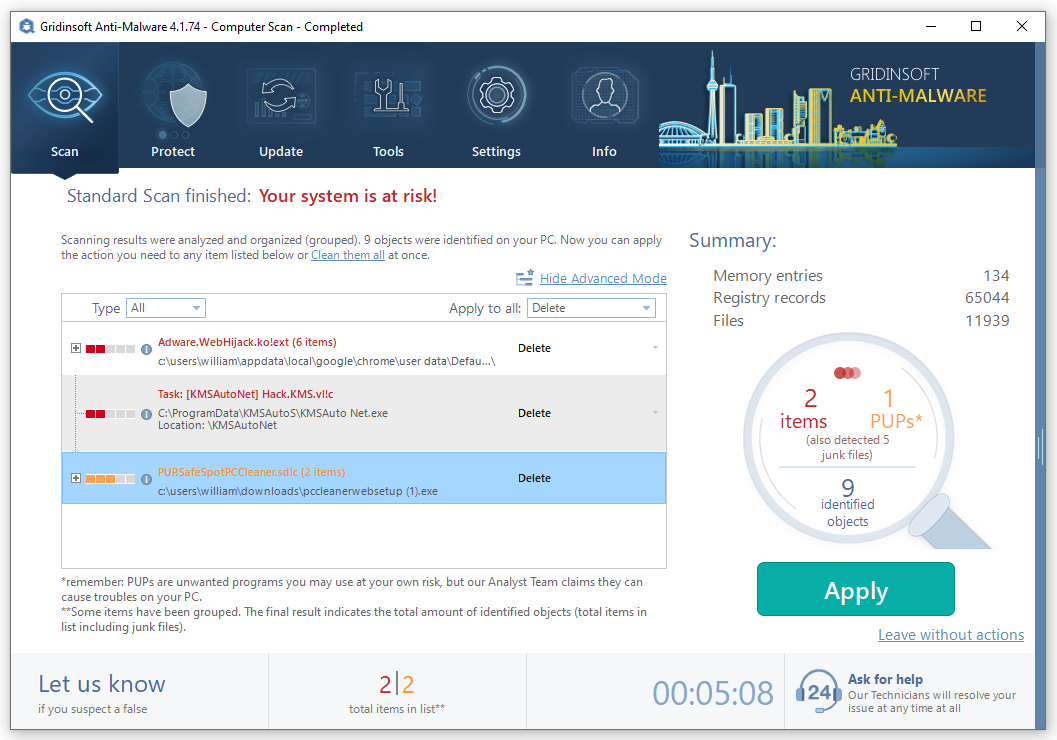
- When the scan is over, you may choose the action for each detected virus. For all files of Emalibble malware the default option is “Delete”. Press “Apply” to finish the malware removal.
Reset browser settings to default
Manual method of browser reset
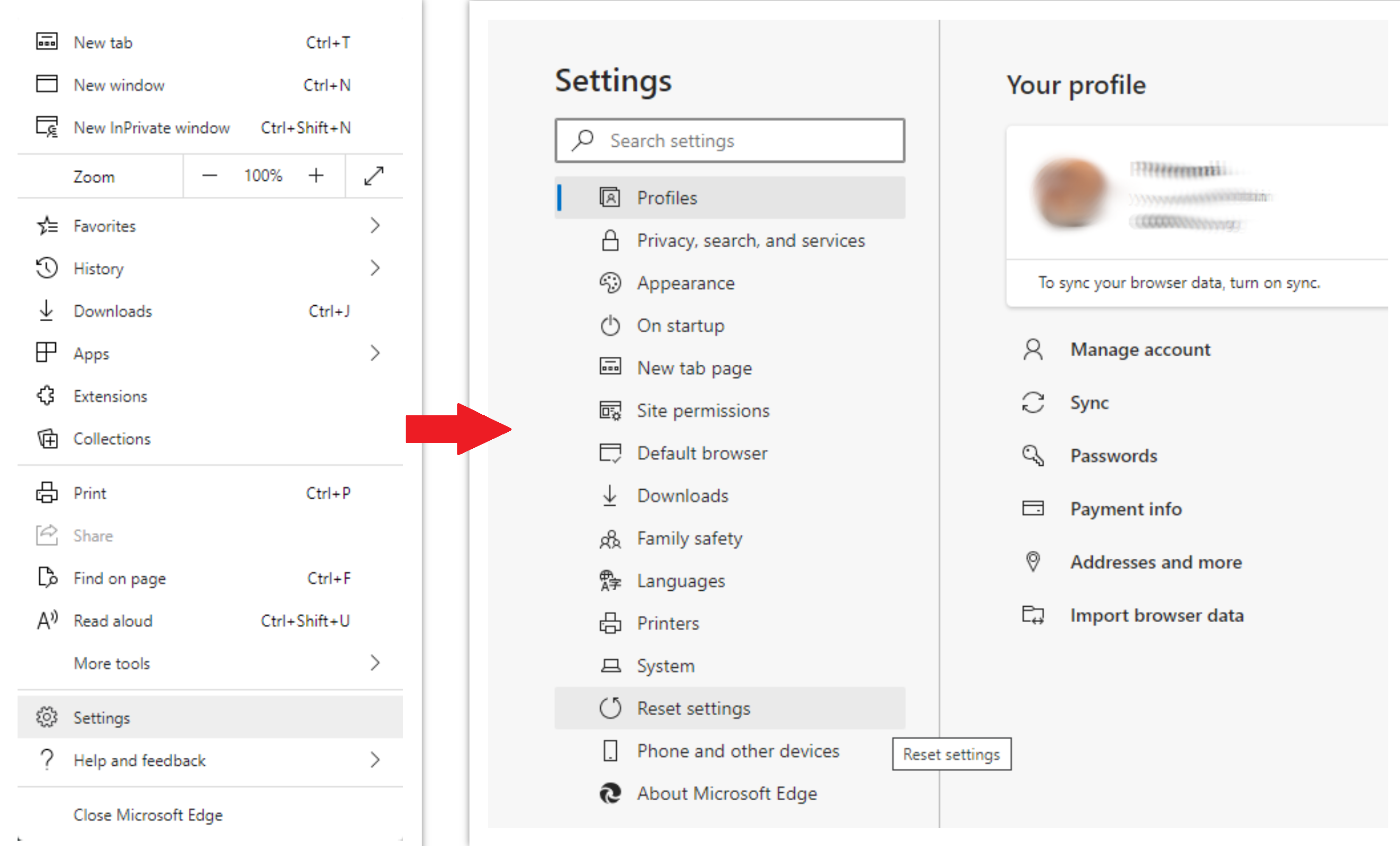
To reset Edge, do the following steps :
- Open “Settings and more” tab in upper right corner, then find here “Settings” button. In the appeared menu, choose “Reset settings” option :
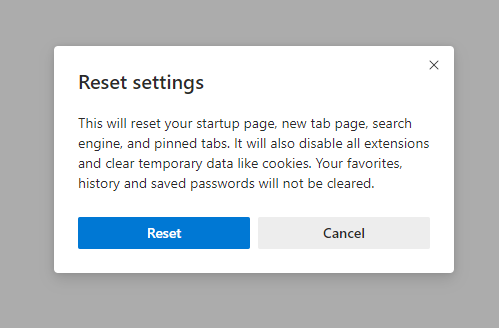
- After picking the Reset Settings option, you will see the following menu, stating about the settings which will be reverted to original :
For Mozilla Firefox, do the next actions :
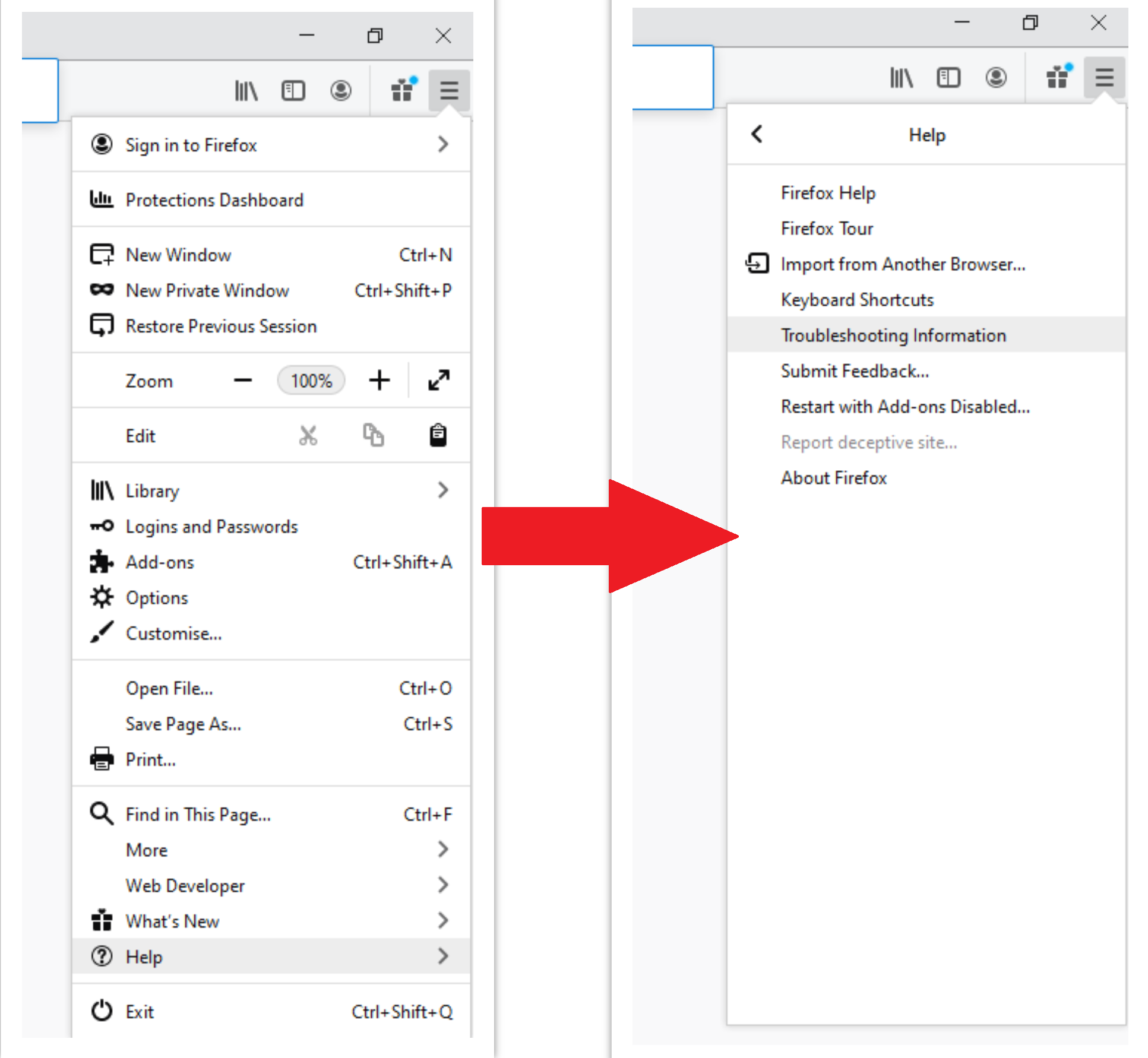
- Open Menu tab (three strips in upper right corner) and click the “Help” button. In the appeared menu choose “troubleshooting information” :
- In the next screen, find the “Refresh Firefox” option :
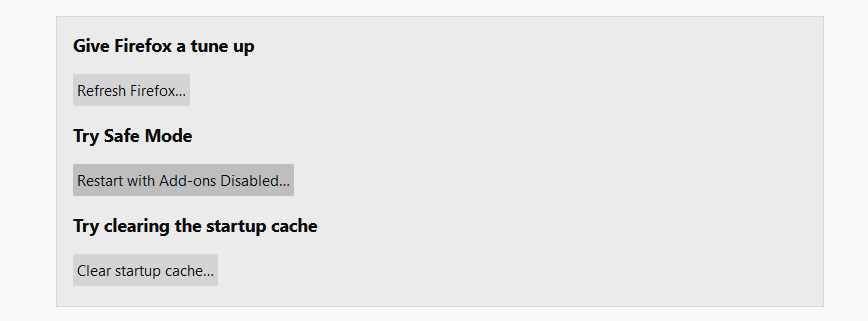
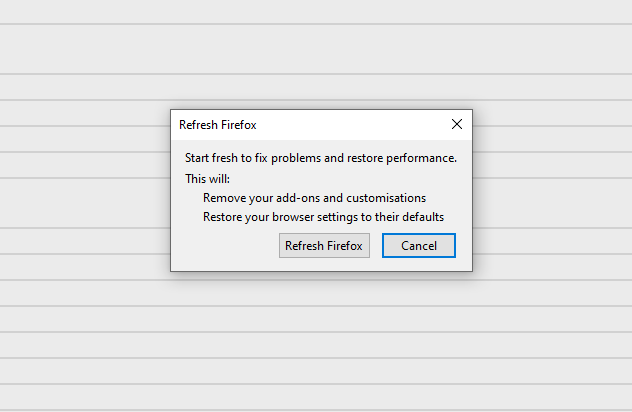
After choosing this option, you will see the next message :
If you use Google Chrome
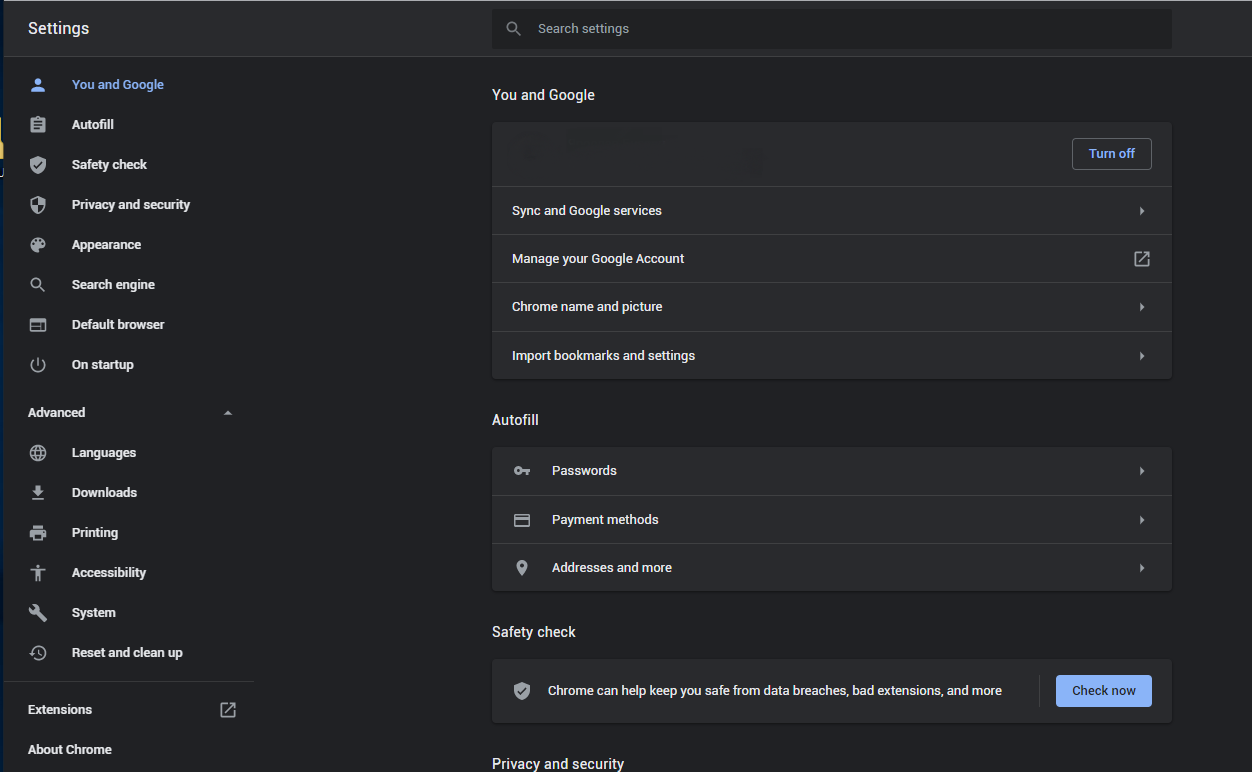
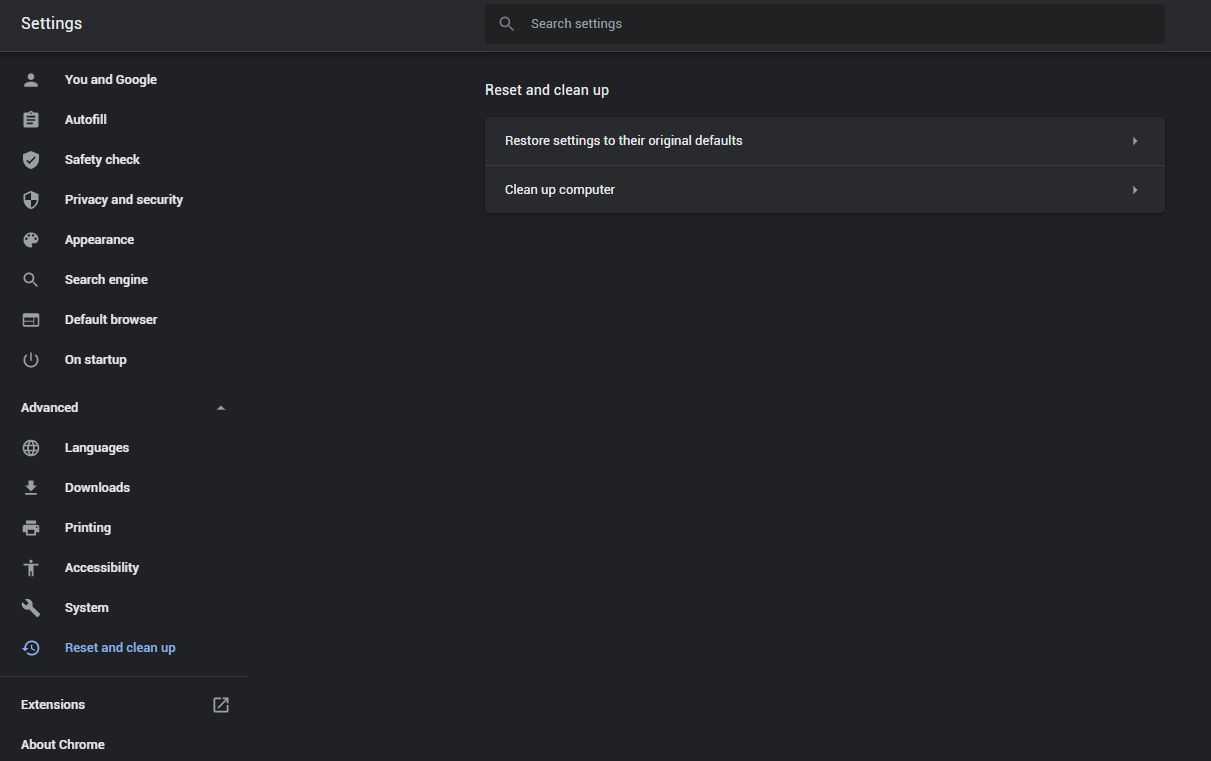
- Open Settings tab, find the “Advanced” button. In the extended tab choose the “Reset and clean up” button :
- In the appeared list, click on the “Restore settings to their original defaults” :
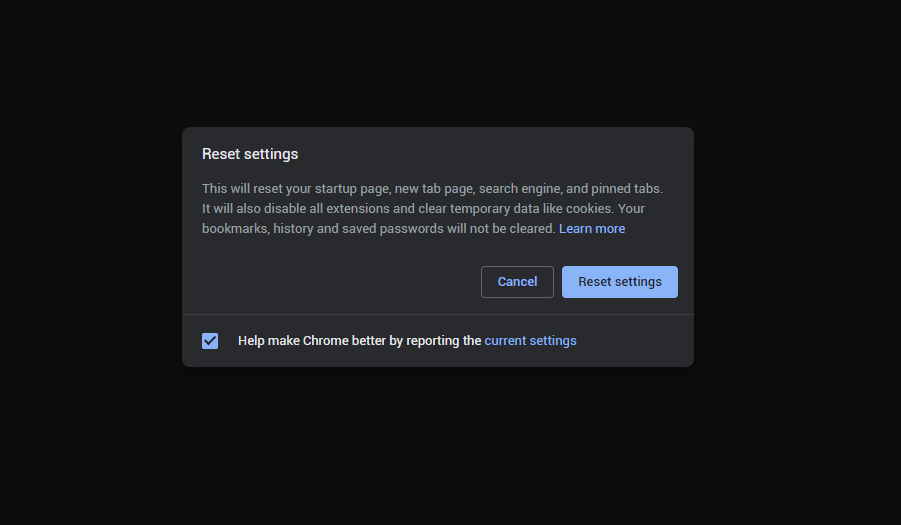
- Finally, you will see the window, where you can see all the settings which will be reset to default :
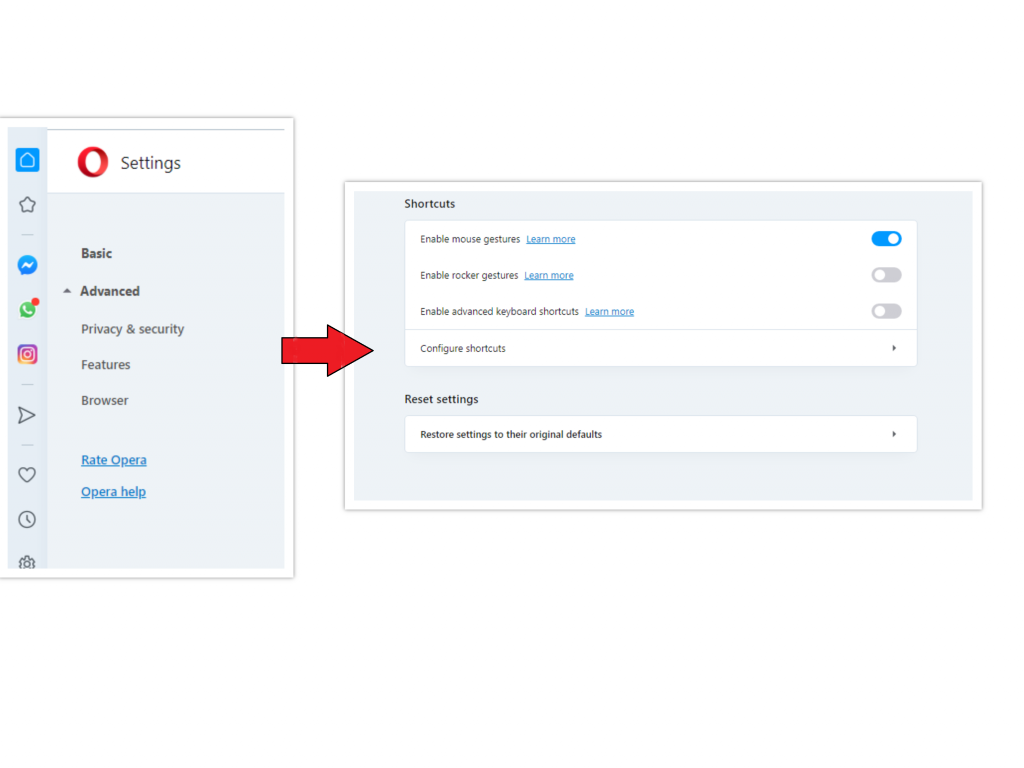
Opera can be reset in the next way
- Open Settings menu by pressing the gear icon in the toolbar (left side of the browser window), then click “Advanced” option, and choose “Browser” button in the drop-down list. Scroll down, to the bottom of the settings menu. Find there “Restore settings to their original defaults” option :
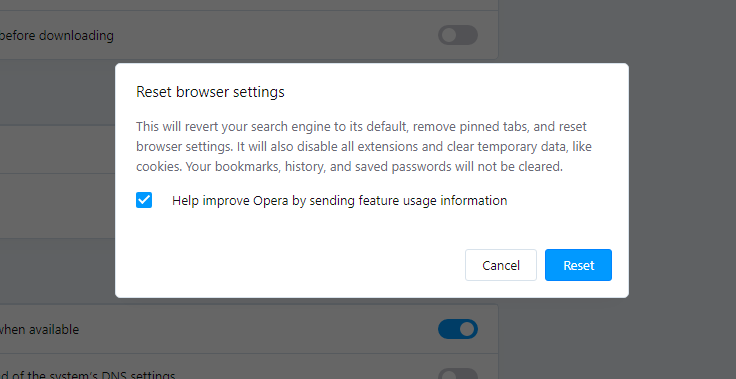
- After clicking the “Restore settings…” button, you will see the window, where all settings, which will be reset, are shown :
When the browsers are reset, you need to make sure that your web browser will be connected the proper DNS while connecting to the site you need. Make a text file named “hosts” on your pc’s desktop, after that open it and fill it with the following lines3:
#
# This is a sample HOSTS file used by Microsoft TCP/IP for Windows.
#
# This file contains the mappings of IP addresses to host names. Each
# entry should be kept on an individual line. The IP address should
# be placed in the first column followed by the corresponding host name.
# The IP address and the host name should be separated by at least one
# space.
#
# Additionally, comments (such as these) may be inserted on individual
# lines or following the machine name denoted by a ‘#’ symbol.
#
# For example:
#
# 102.54.94.97 rhino.acme.com # source server
# 38.25.63.10 x.acme.com # x client host
# localhost name resolution is handle within DNS itself.
# 127.0.0.1 localhost
# ::1 localhost
Find the hosts.txt file in C:/Windows/System32/drivers/etc directory. Rename this file to “hosts.old.txt” (to distinguish it from the new one), and then move the file you created on the desktop to this folder. Remove the hosts.old from this folder. Now you have your hosts file as good as new.
Nonetheless, there is one trouble that makes things a lot more difficult to fix, particularly without the anti-malware software. Most of adware variations that are utilized to show you the Emalibble pop-up advertisements are modifying the deep browser setups, disabling an access to the settings tab. So, if you try to fix your browser settings after your system was penetrated by pop-up-related malware, your browser will crash soon. In some cases, you will see no crash, but large lag spike after pressing the “settings” key. Browser will stop responding for ~ 30 secs, and after that it will be back to the typical, until you attempt to open settings once again.
References
- More about pop-up ads on Wikipedia.
- Official Microsoft guide for hosts file reset.


Leave a Comment