
If you see the message reporting that the DDoS:Win32/Nitol!rfn was located on your computer, or in times when your computer works too slow and also give you a ton of headaches, you most definitely make up your mind to scan it for Nitol and clean it in a correct solution. Right now I will show to you how to do it.
The majority of Nitol are made use of to earn a profit on you. The criminals elaborates the range of harmful programs to swipe your credit card information, electronic banking credentials, and various other facts for deceitful purposes.
Threat Summary:
| Name | Nitol DDoS |
| Detection | DDoS:Win32/Nitol!rfn |
| Details | Nitol is a distributed denial of service (DDoS) botnet that seems small and not widely known. It mostly operates in China. McAfee Labs recently analyzed a few samples; we offer here the communications protocol and the Trojan’s capabilities. |
Kinds of viruses that were well-spread 10 years ago are no longer the resource of the problem. Currently, the problem is extra obvious in the locations of blackmail or spyware. The obstacle of taking care of these concerns needs different tools as well as different methods.
Does your antivirus regularly report about the “Nitol”?
If you have seen a message showing the “DDoS:Win32/Nitol!rfn found”, then it’s an item of great information! The malware “DDoS:Win32/Nitol!rfn” was discovered and also, more than likely, erased. Such messages do not suggest that there was an actually active Nitol on your tool. You might have just downloaded a documents which contained DDoS:Win32/Nitol!rfn, so your anti-virus software instantly deleted it prior to it was launched and created the troubles. Alternatively, the destructive script on the contaminated website might have been discovered and also protected against prior to creating any type of troubles.
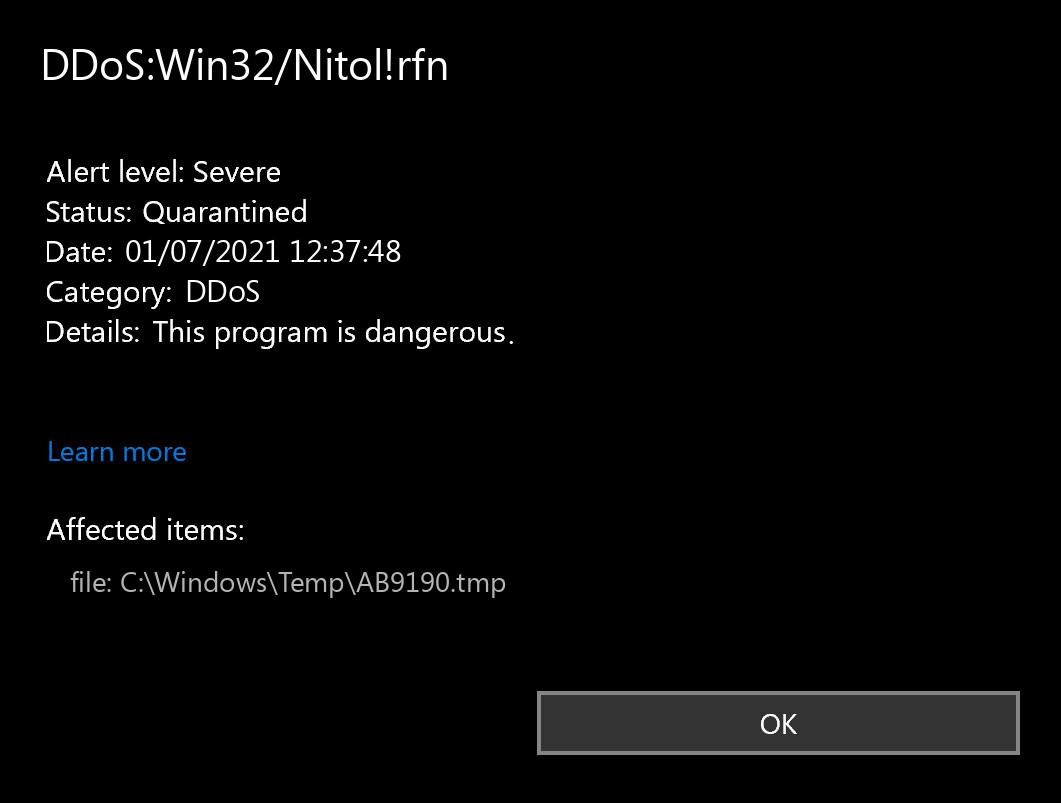
Microsoft Defender: “DDoS:Win32/Nitol!rfn”
Simply put, the message “DDoS:Win32/Nitol!rfn Found” throughout the usual use of your computer does not suggest that the Nitol has actually finished its mission. If you see such a message after that maybe the proof of you going to the infected page or packing the destructive documents. Attempt to prevent it in the future, however don’t panic excessive. Trying out opening the antivirus program and examining the DDoS:Win32/Nitol!rfn discovery log data. This will provide you more info concerning what the exact Nitol was found as well as what was specifically done by your antivirus software program with it. Certainly, if you’re not certain enough, describe the hands-on check– at any rate, this will certainly be useful.
How to scan for malware, spyware, ransomware, adware, and other threats.
If your system operates in an exceptionally lagging means, the web pages open in a strange fashion, or if you see advertisements in the position you’ve never anticipated, it’s feasible that your system obtained contaminated as well as the virus is currently active. Spyware will certainly track all your activities or reroute your search or web page to the locations you do not want to go to. Adware might contaminate your browser as well as even the whole Windows OS, whereas the ransomware will try to obstruct your computer and also demand a tremendous ransom money amount for your very own documents.
How to scan your PC for DDoS:Win32/Nitol!rfn?
Use Safe Mode to fix the most complex DDoS:Win32/Nitol!rfn issues.
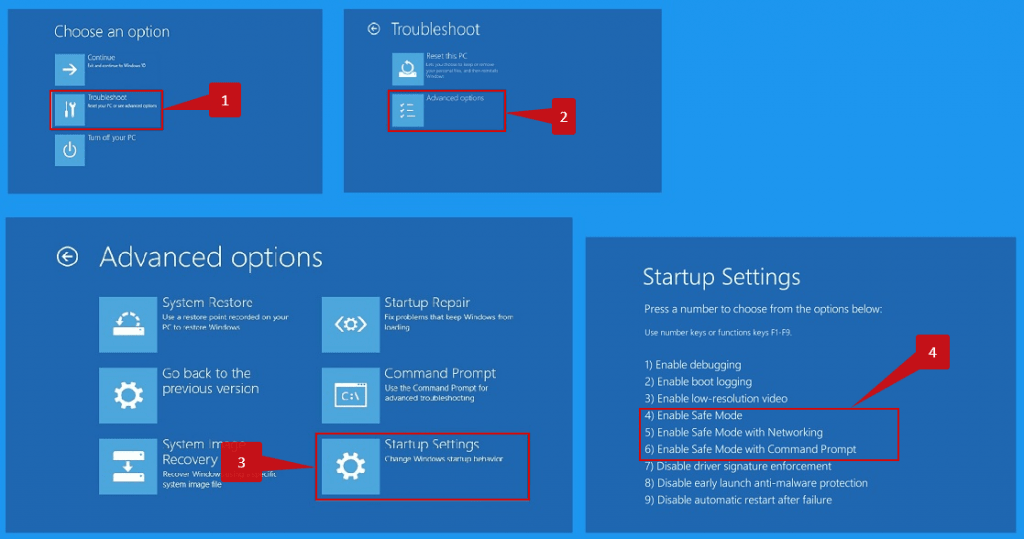
It’s not enough to just use the antivirus for the security of your computer. You require to have much more extensive antivirus software. Not all malware can be found by regular antivirus scanners that largely look for virus-type hazards. Your computer might have plenty of “trash”, for instance, toolbars, browser plugins, unethical online search engines, bitcoin-miners, and also various other types of unwanted programs used for generating income on your inexperience. Beware while downloading software online to avoid your gadget from being full of unwanted toolbars and also various other junk data.


Leave a Comment