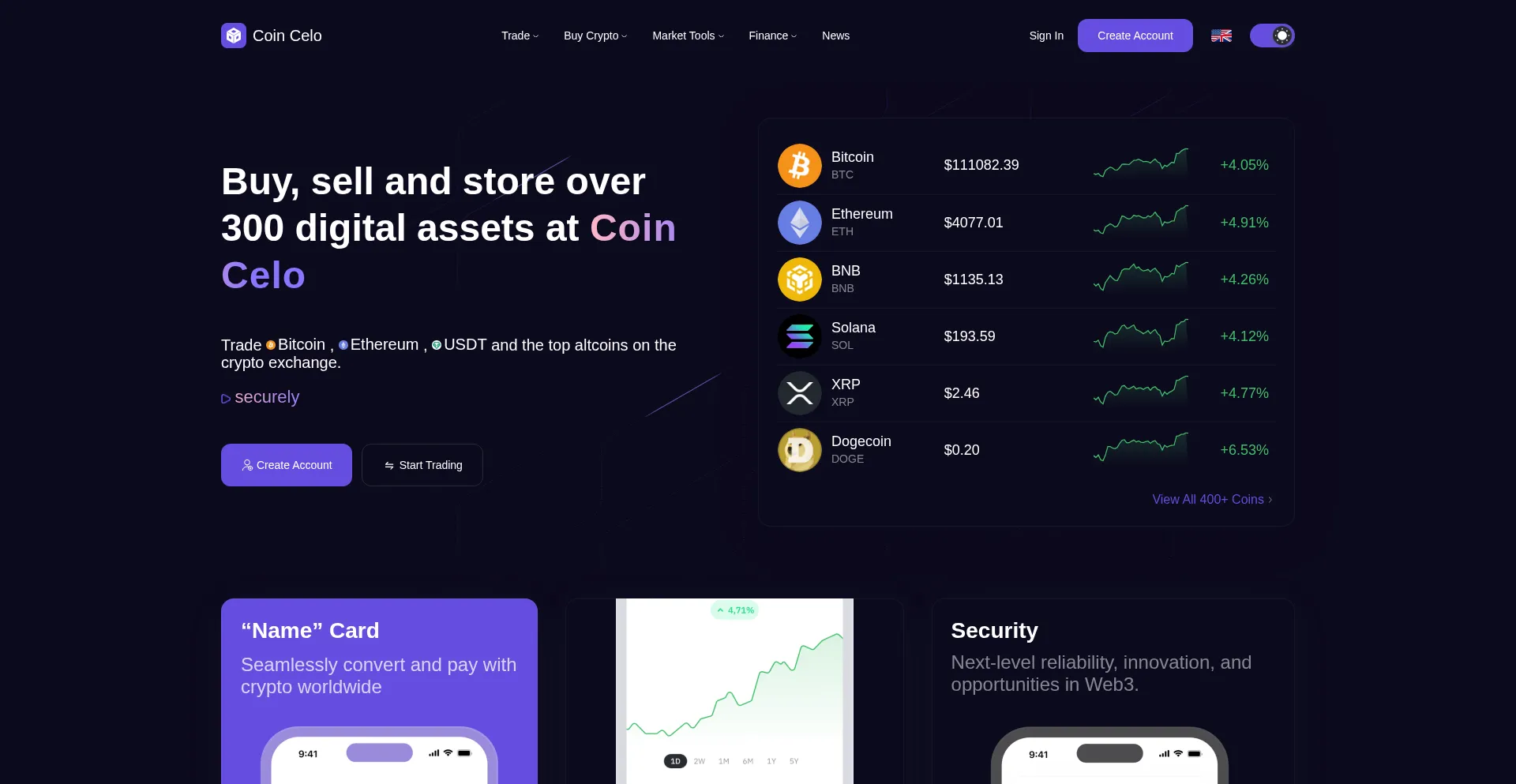
Coincelo is a domain that was created days ago if you go and check it on who.is. It employs the same pattern as hundreds of other scam sites. First, there’s a casual message about how well they’re doing. Then a screenshot of fake returns. Then “You should try it too.” So you make a small deposit. The interface seems convincing, but underneath it’s empty but smoke and mirrors. Coincelo is a fake operation disguised as a cryptocurrency trading platform. The site exists to steal funds through fabricated balances, celebrity deepfakes, and social media promotions. By the time you realize it’s fake your crypto is gone.
| Website | Coincelo.com |
| Infrastructure | AS13335 Cloudflare, Inc. Server location: United States, San Francisco |
| IP Address | 172.67.132.193 |
| Danger Rating | DANGEROUS THREAT |
| Scam Category | Financial Theft |
| Deception Technique | Advanced emotional exploitation victimizing crypto investors |
| Detection Timeline | Under surveillance since 2025-10-20 |
| Estimated Victims | Increasing number of losses documented |
| Activity Level | ALERT – High risk to users |
| Economic Impact | Significant monetary losses documented |
What is the Coincelo Scam?
The Coincelo.com scam is a web-based con that disguises itself as a legitimate crypto exchange. It has no licensing, regulation, or support from any financial authority. The scam mimics legitimate platforms using fake balances, celebrity deepfakes, and social media promotions. Once shut down, Coincelo quickly reappears under a different identity with the exact scam structure.
Coincelo Scam
The funnel that leads to a user falling for Coincelo begins with fake celebrity endorsements, often via deepfake videos distributed across popular platforms like major social media sites like Facebook, Instagram, Twitter, and TikTok. These videos impersonate high-profile celebrities, falsely claiming they endorse or partner with Coincelo. The trending promotions cleverly directs victims to the Coincelo website. Immediately upon signing up, the site presents a fabricated amount of approximately 0.31 BTC. Of course, this shown sum is totally false and has zero genuine value.
This is the trap. Once the deposit is made, the site either stops responding or returns errors. The stolen Bitcoin goes directly to the scammers. There are no real accounts, and the displayed balance was never tied to actual funds. The platform’s only function is to scam. To evade detection, Coincelo frequently changes its domain name while maintaining the same site layout, scam structure, and fake functionalities, allowing the scam to continue uninterrupted.
What to Do if You’ve been scammed by Coincelo?
If you’ve fallen for the Coincelo or Felunex scam is to protect what you still have. The top priority is to protect your crypto wallets, email accounts, and any other digital entry points. Unfortunately, money already lost to the Coincelo scam is likely unrecoverable. Many scammers set up Don’t respond to follow-up messages from any party claiming to help. Instead of searching for fast fixes, users should focus first on limiting the damage and preserving what remains safe. The stolen funds may be gone permanently, but preventing further damage is still possible. Take this time to learn, secure, and stabilize your crypto setup.
Damage Control Tips
After falling victim to Coincelo, the first move is to lock down all your accounts. Whether or not your wallet was directly connected to the scam, it’s essential to move remaining assets to new, uncompromised wallets. Be cautious with any tools or services you used during the incident. Change all relevant passwords, especially for email and exchanges. Do not send more crypto in hopes of recovery. Accept the loss for now and avoid emotional decisions. Many victims get scammed a second time by chasing refunds. The best course is damage limitation, not re-engagement. You can explore recovery possibilities later – safely.
Tips for Damage Control:
- Immediately revoke any permissions granted to suspicious smart contracts through your wallet’s permissions dashboard.
- Move any remaining assets to a fresh, newly generated wallet that has not been connected to any suspicious sites.
- Change passwords on all connected platforms, especially email, crypto exchanges, and authentication services.
- Save screenshots, wallet addresses, transaction hashes, and any communications from the scammers for future reporting.
- File proper complaints with national law enforcement.
- Inform your online contacts about the deception to prevent others from falling victim.
- Flag the scam wallet address on blockchain explorers where possible.
- Monitor blockchain activity from your compromised wallet to detect future unauthorized movements.
- Avoid engaging with anyone offering “refunds” or “recovery services” – they’re likely scammers too.
- Exclusively rely on recovery information from official sources in the cryptocurrency space.
Reacting with calm and precision reduces further risk. Your primary goal now is to harden your digital defenses and contain the fallout of the scam. The goal should be to prevent further breaches or exploitation. Once your situation stabilizes, report the scam to official bodies to help stop similar attacks on others.
What Are the Usual Coincelo Red Flags?
Crypto scams like Coincelo usually rely on a wide-net, low-effort approach. Most scams are designed to trick a large audience quickly and do not rely on precision. The key to safety is noticing patterns and keeping calm. Emotional reactions often lead to poor decisions that scammers count on. Levelheadedness is your best defense.
One of the biggest red flags in Coincelo scams is the sudden appearance of deepfake videos claiming celebrity endorsements. When you see well-known public figures promoting unknown platforms with no official endorsement, it’s most likely a manipulation attempt.
Unsolicited offers promising free Bitcoin or large earnings are always suspicious. Scams like Coincelo use fabricated balances to simulate success and bait the user into participation.
If a platform asks for a deposit in order to unlock your own supposed funds, it is almost certainly a scam. No legitimate service locks withdrawals behind “activation” payments. This trick is designed to create urgency and confusion.
Lack of regulatory information or legal identifiers on the Coincelo website also signals danger. They offer no official registration, licensing, or physical contact details. This vagueness is intentional, helping them evade authorities.
The website’s design is another clue. A generic layout, templated graphics, and overly simple user flows are classic signs of a cloned scam platform that changes names to remain active. The Coincelo scam The scammers behind Coincelo frequently rotate domains, which shows instability and intent to evade exposure.
Tips to Stay Protected From Crypto Scams Like Coincelo
Avoiding scams like Coincelo is far easier than recovering lost funds. Crypto scams like Coincelo are Recognizing patterns and staying cautious online greatly improves your chances of staying safe. The red flags outlined above, when recognized early, offer strong protection. The warning signs are consistent, and the protective steps are clear. Knowledge, not emotion, is your best shield.
Actionable Protection Tips :
- Always question promises that appear too easy to be true.
- Never trust crypto platforms promoted through unsolicited messages or viral videos.
- Don’t interact with links shared via private messages, emails, or comments, even if they appear to come from public figures or official sources.
- Keep your primary cryptocurrency assets in secure storage.
- Exclusively deposit minimal sums to active addresses for specific purposes.
- Consistently review crypto access using specialized services.
- Don’t attach your digital wallet to unverified websites, even if they seem legitimate.
- Consistently use dedicated accounts for experimental interactions.
- Revoke any unnecessary wallet permissions regularly to reduce risk.
- Never download unknown files or screen share with “support” agents who reach out via email or DM.
By staying vigilant and practicing these guidelines consistently, your chances of falling for scams like Coincelo drop significantly.