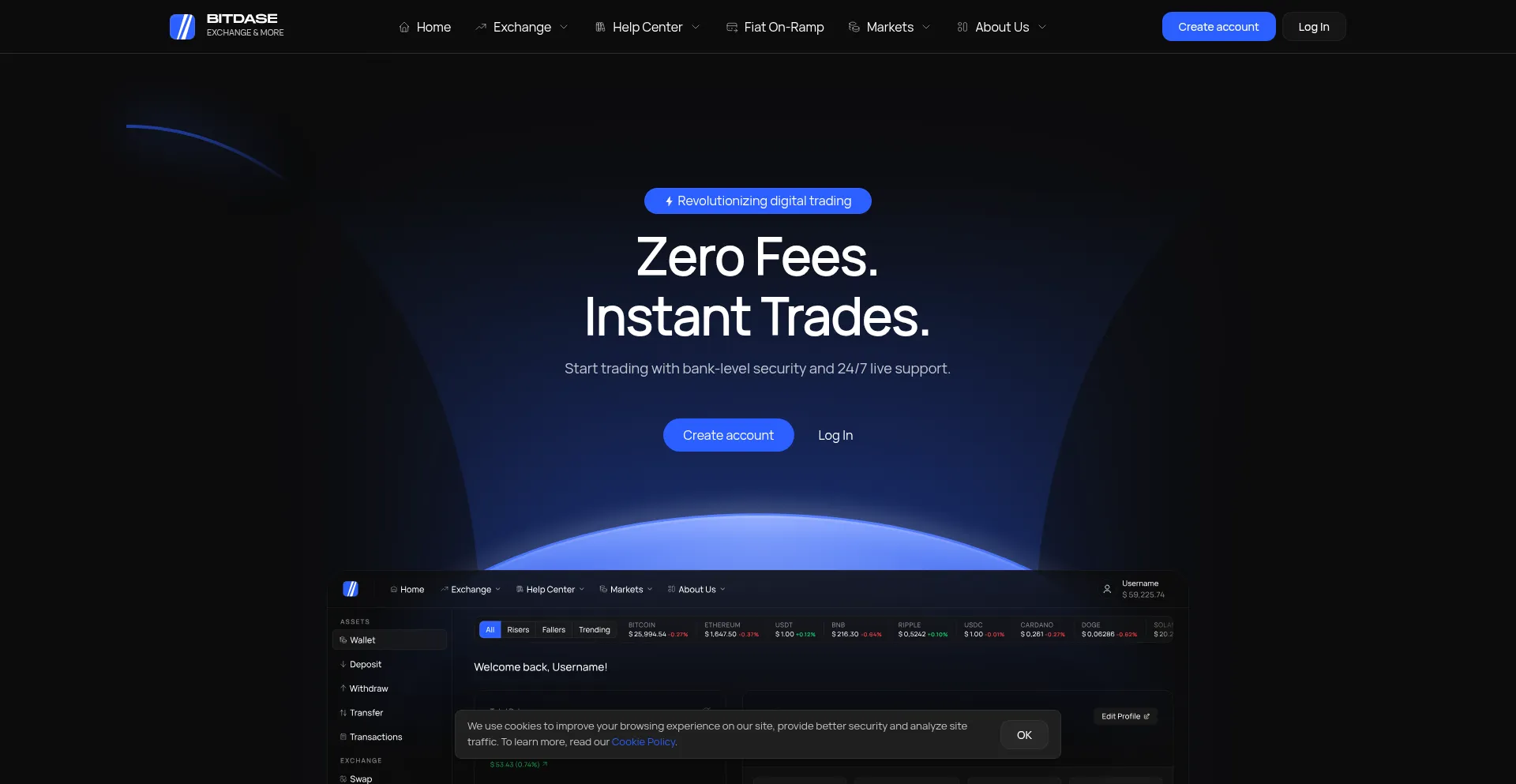
Bitdase is a domain that was created days ago if you go and check it on who.is. It will vanish just as fast – replaced by a near-identical version under a new name. Don’t let the fake interface fool you. Every dollar sent here is gone, and there’s no getting it back. The These scam sites don’t even try to be original anymore. Bitdase is just another copy-paste operation targeting people who aren’t yet familiar with the pattern. Bitdase is a psychological scam more than anything. The site exists to exploit users’ trust and financial hopes. By the time you realize it’s fake the harm is irreversible and retrieving your funds is virtually impossible.
| Website | Bitdase.com |
| Web Host | AS13335 Cloudflare, Inc. Server location: United States, San Francisco |
| IP Address | 104.21.76.87 |
| Security Assessment | DOCUMENTED SCAM |
| Threat Type | Exchange Theft |
| Deception Technique | Fraudulent influencer endorsement + phishing attack |
| Discovery Date | Active monitoring since 2025-08-24 |
| Impact Scale | Increasing number of losses confirmed |
| Site Status | FLAGGED – Under investigation by security agencies |
| Economic Impact | Major economic impact documented |
What is the Bitdase Scam?
The Bitdase.com scam is a fake cryptocurrency trading platform used to lure users into giving up Bitcoin through fraudulent methods. It has absolutely no legal authorization and functions without any official oversight. The scam employs sophisticated mental manipulation to convince targets into sending their money. Once shut down, Bitdase resurfaces under a new name with the same look and function, continuing its cycle of deception.
Bitdase Scam
The entire operation begins with advanced online promotions, often via deepfake videos distributed across popular platforms like YouTube, TikTok, and Facebook. These videos promote Bitdase as a credible opportunity, citing fake partnerships with trusted public figures. Once victims are interested, they’re directed to the Bitdase platform to sign up. Upon visiting, users are prompted to register and enter a promotional code like “CR7” or “Tiktok11”. When users attempt to withdraw the fake balance, they are told to deposit a small amount of Bitcoin, commonly 0.005 BTC, under the guise of “activating” the withdrawal.
When users attempt to withdraw these fake funds, the site introduces a deceptive requirement: a minimum Bitcoin deposit (usually 0.005 BTC) is needed to “unlock” the withdrawal feature. Once sent, this deposit is irreversibly transferred to wallets controlled by scammers. There are no real accounts, and the displayed balance was never tied to actual funds. The platform’s only function is to scam. When exposed, the operators abandon the current domain and launch an identical site under a different name to continue targeting new users.
What to Do if You’ve been scammed by Bitdase?
If you’ve been scammed by Bitdase, Kotosm or Themuskfirm immediate action is critical. The top priority is to secure your digital assets, including any wallets, linked bank accounts, or authentication tools that may have been exposed. While it’s natural to want to recover lost money, chasing it prematurely can often lead to more losses. Many scammers set up further losses or exposure to new scams. Instead of searching for fast fixes, users should focus first on limiting the damage and preserving what remains safe. Once your accounts are secure, you may explore recovery options – but only with legitimate channels, never individuals claiming to “recover” your funds for a fee or through unknown methods. Take this time to preserve your remaining digital assets.
Damage Control:
After falling victim to Bitdase, the first move is to lock down all your accounts. Whether or not your wallet was directly connected to the scam, it’s essential to move remaining assets to new, uncompromised wallets. Be cautious with any tools or services you used during the incident. Change all relevant passwords, especially for email and exchanges. Do not send more crypto in hopes of recovery. Accept the loss for now and avoid emotional decisions. Many victims get scammed a second time by chasing refunds. The best course is damage limitation, not re-engagement. You can explore recovery possibilities later – safely.
Tips for Damage Control:
- Revoke any permissions you granted to suspicious smart contracts or websites.
- Right away establish a clean crypto address and transfer all funds there.
- Update your passwords and enable two-factor authentication across all accounts linked to your crypto activities.
- Stop accessing any additional communications from the fraudsters.
- Alert any financial services that were affected in the fraud.
- Warn your social network about the deception to stop others from being scammed.
- Flag the scam wallet address on blockchain explorers where possible.
- Consistently monitor your digital assets for any unusual movements.
- Be skeptical of “crypto recovery” services that contact you – these are often secondary scams.
- Only trust recovery information from official sources in the crypto industry.
Focus on securing your assets rather than retrieving lost funds. Once your situation stabilizes, report the scam to official bodies to help stop similar attacks on others.
What Are the Usual Bitdase Red Flags?
Crypto scams like Bitdase have glaring red flags that many users overlook. Most scams are They aim to hook as many unsuspecting users as possible with fake promises and social engineering. The key to safety is noticing patterns and keeping calm. Recognizing emotional manipulation and ignoring suspicious messages can prevent disaster. Levelheadedness is your best defense.
The use of deepfake videos featuring celebrities is a major warning sign. When you see These clips often feature familiar faces making wild promises about crypto profits. No legitimate financial service uses these tactics.
Another giveaway is the offer of “free” Bitcoin or large returns without any explanation. Scams like Bitdase use fabricated balances to simulate success and bait the user into participation.
Requests to deposit funds before withdrawing any balance are an enormous red flag. No legitimate service locks withdrawals behind “activation” payments. This trick is designed to create urgency and confusion.
Lack of regulatory information or legal identifiers on the Bitdase website also signals danger. They offer no official registration, licensing, or physical contact details. This vagueness is intentional, helping them evade authorities.
The website’s design is another clue. A generic layout, templated graphics, and overly simple user flows are classic signs of a cloned scam platform that changes names to remain active. The Bitdase scam repeats its format across domains, making them look the same even under different names.
Tips to Stay Protected From Crypto Scams Like Bitdase
Avoiding scams like Bitdase is far easier than recovering from them. Crypto scams like Bitdase are Recognizing patterns and staying cautious online greatly improves your chances of staying safe. The red flags outlined above, when recognized early, offer strong protection. If you apply the right preventive actions consistently, your chances of being scammed drop significantly.
Protection Recommendations :
- Never trust unsolicited messages, links, or promotions from social media, especially if they promise giveaways or earnings.
- Always verify the domain name – cloned scam sites like Bitdase may use slight spelling variations or brand impersonation.
- Don’t interact with links posted via direct communications, especially if they appear authentic.
- Consistently use a isolated “test” address for trying unknown services.
- Only fund your transaction wallet with the amount necessary for a specific task; transfer assets back to cold storage immediately after.
- Regularly review and revoke permissions for any decentralized apps (dApps) or contracts that have access to your wallet.
- Bookmark official crypto websites and never rely on ads or search results to access platforms.
- Store your primary digital holdings securely stored and separate from online interactions.
- Stay educated about the latest scam tactics in the crypto space.
- Avoid open unknown files or screen share with alleged “support” staff.
Staying informed and cautious is your best defense. Scams like Bitdase rely on users acting fast without thinking – taking your time and verifying information can stop them cold.