
Billendel pop-up notifications appear when you do not expect, bothering and irritating you. Nonetheless, they are way more than simple pop-ups – their essence is purely malicious, and they can install other malicious stuff to your system. In this article, I will show you the guide how to remove Billendel push notifications and explain how to avoid them in the future.
Any interaction with Billendel push notifications will be ineffective at best. In worst case scenario, the pages it can open can introduce malware to your system. These pop-up advertisements may also promote fake shopping websites which will take your money and payment info. The latter generally ends up with losing all the money you have on the exposed card.
What are Billendel push notifications?
Short summary of the Billendel.com pop-up ads:
| Name | Billendel.com |
| Hosting | AS13335 Cloudflare, Inc. United States, San Francisco |
| IP Address | 188.114.97.3 |
| Malware type | Adware1 |
| Effect | Unwanted pop-up advertisements |
| Hazard level | Medium |
| Malware source | Apps from third-party websites, ads on dubious websites |
| Similar behavior | Secret, Great, Pagorg |
| Removal method |
To remove possible virus infections, try to scan your PC
|
Billendel pop-up notifications, in contrast, are related to unlegit websites. You will generally witness the proposition to enable them following the redirection from another site. There’s nothing bad in redirecting unless it throws you into such a questionable place. At that point, enabling pop-up advertisements is offered under the guise of the anti-DDoS filtering. Alternatively, the websites may refuse to show you the content unless you enable these pop-ups. These requirements should already be the red flag, as sites commonly have a less obscure anti-bot mechanism. Spectating this requirement should be the reason to close the site doubtlessly. In some cases, even after clicking “Allow”, you will not get to the web page – the only page it has is a landing page with the offer to turn on the pop-up notifications.
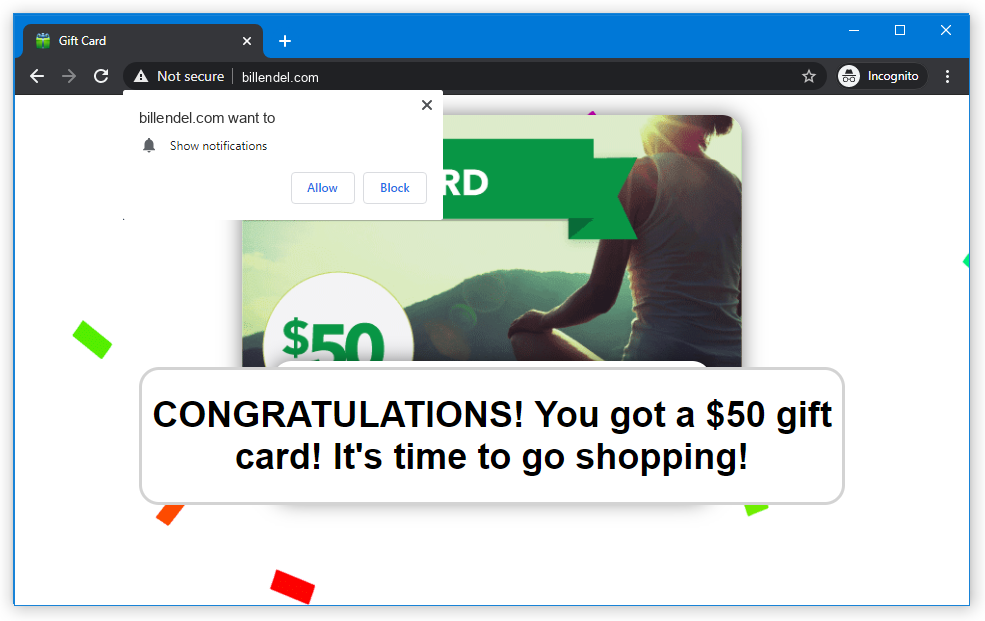
Billendel push notification.
How does this work?
Most of browsers support turning on push notifications from sites. Sites, on the other hand, can send out notifications with the content they like. It may be an advertisement of the product or a page published on this particular website, or an ad of the page of their partner. As a result, you can see the pop-up from site X, but clicking it will direct you to site Y – because a referral link to that website was embedded.
The ads these criminals show are paid under the pay-per-view model. It commonly provides a negligible pay for one view, but when you have hundreds of users and show them hundreds of ads every day – that is a much more significant sum. Even though most of such ads are ineffective, it can still give all the parties a lot of money.
Are Billendel pop-ups dangerous?
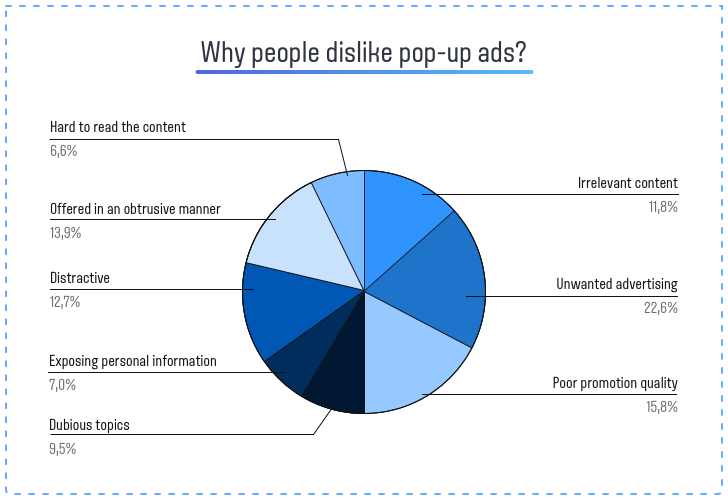
Yes, they are. Initially, they may look non-threatening – just a blinking window that appears from time to time. However, the contents of this window differ drastically from what you generally see in pop-up ads. Billendel.com web page is ruled by crooks, who intendedly throw hundreds of irrelevant ads in pop-ups. They also never follow any common sense and can make sporadic pop-ups into a hurricane of banners. For weak computers, that may be enough to make the system slower. But problems are not over at this point.
How to remove Billendel pop-ups?
First and foremost, you should reset your browser settings. It is possible to accomplish in manual or automated way. The former, obviously, takes more time to complete and can be somewhat complicated if you have never done that. Automated supposes the use of anti-malware programs that can reset all browser settings at once.
Reset your browsers manually
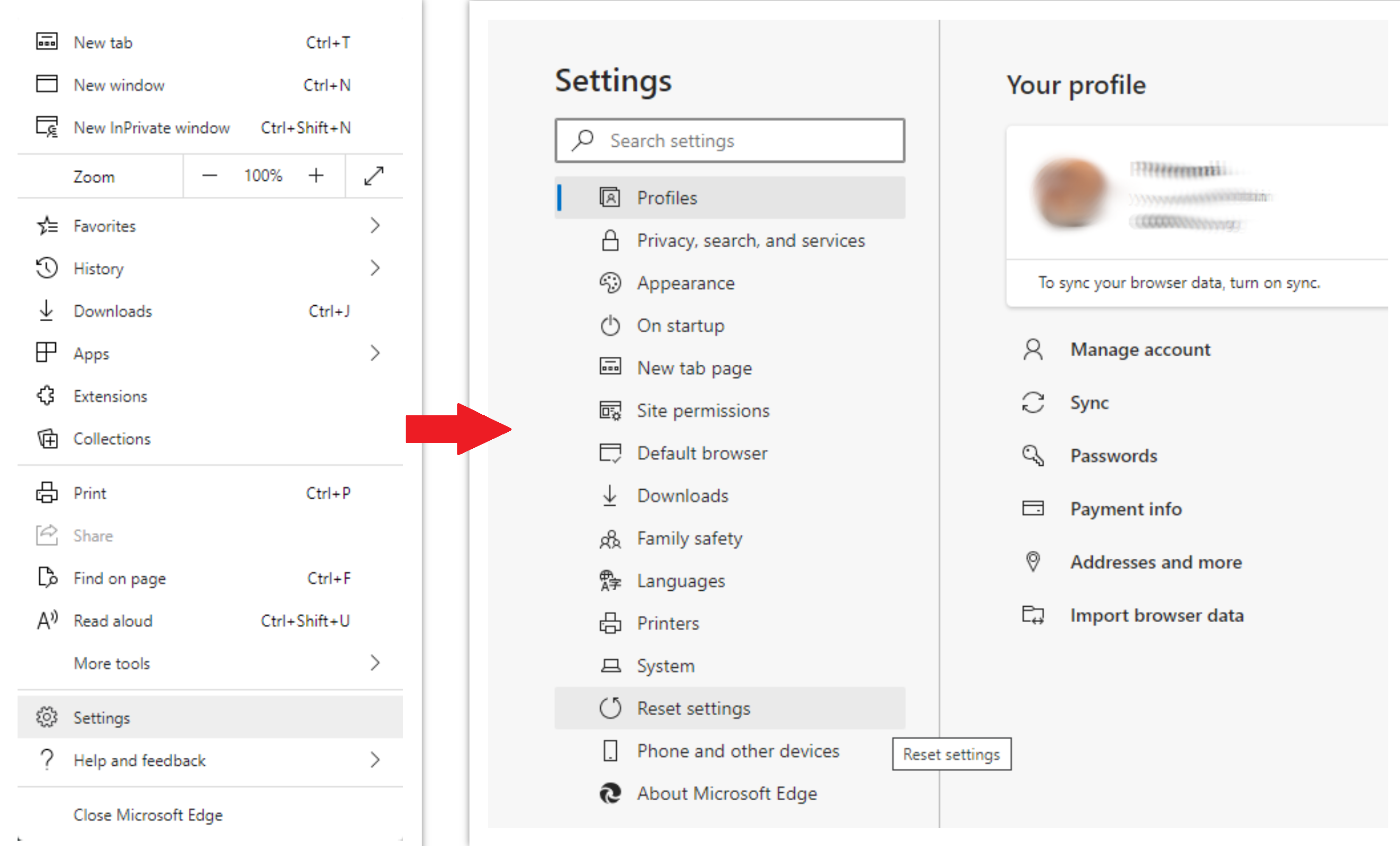
To reset Edge, do the following steps:
- Open “Settings and more” tab in upper right corner, then find here “Settings” button. In the appeared menu, choose “Reset settings” option:
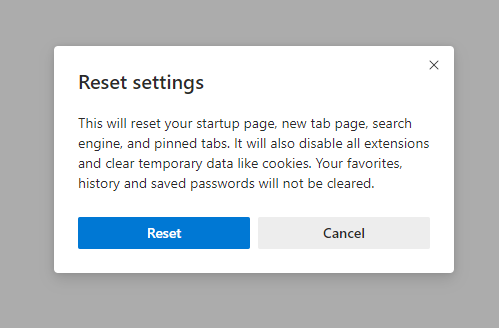
- After picking the Reset Settings option, you will see the following menu, stating about the settings which will be reverted to original:
For Mozilla Firefox, do the next actions:
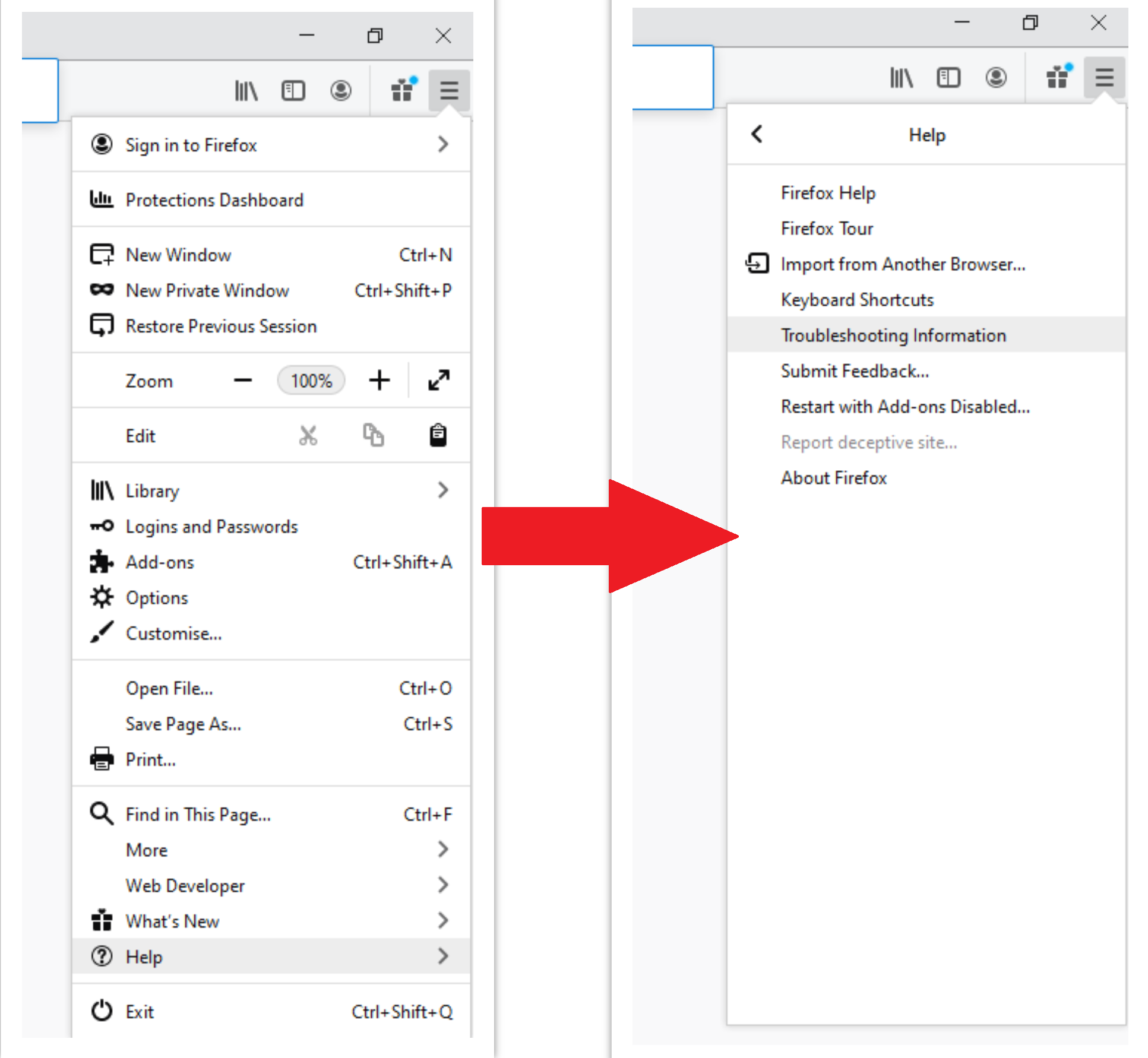
- Open Menu tab (three strips in upper right corner) and click the “Help” button. In the appeared menu choose “troubleshooting information”:
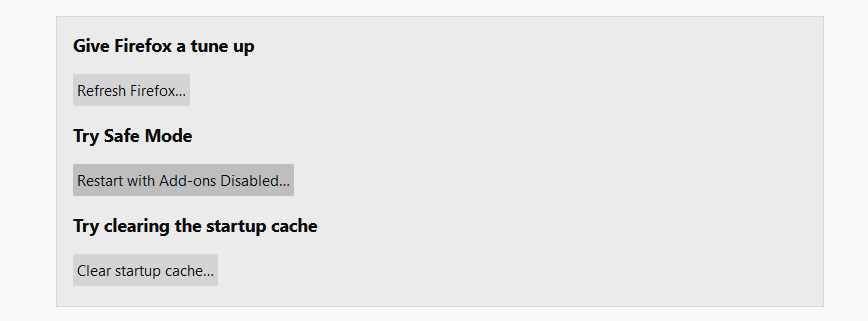
- In the next screen, find the “Refresh Firefox” option:
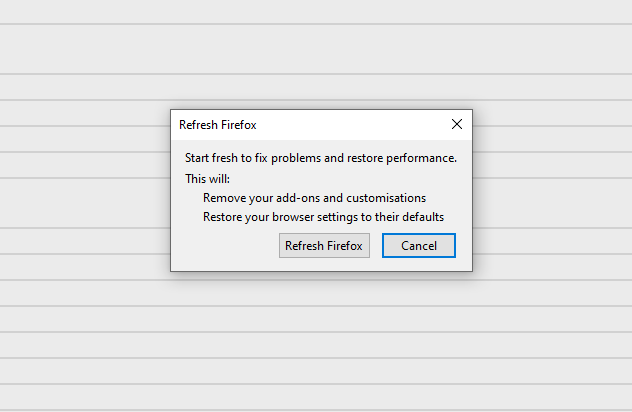
After choosing this option, you will see the next message:
If you use Google Chrome
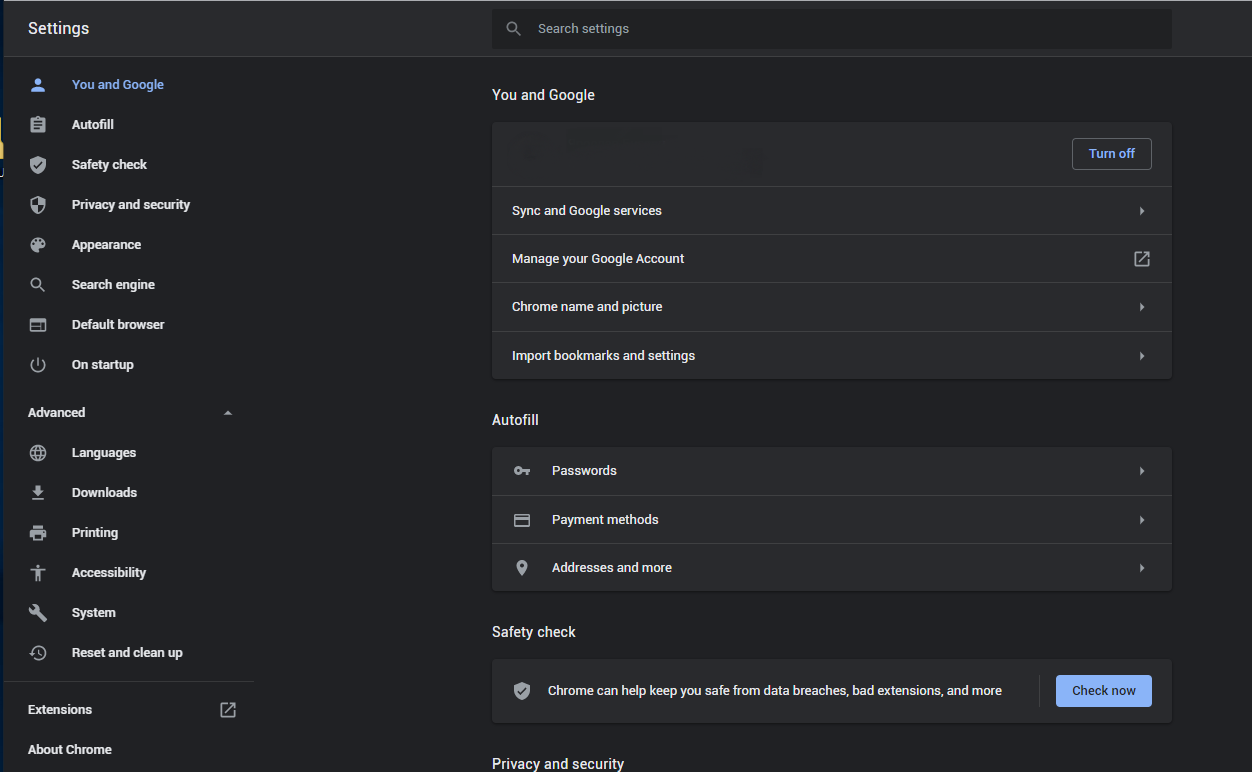
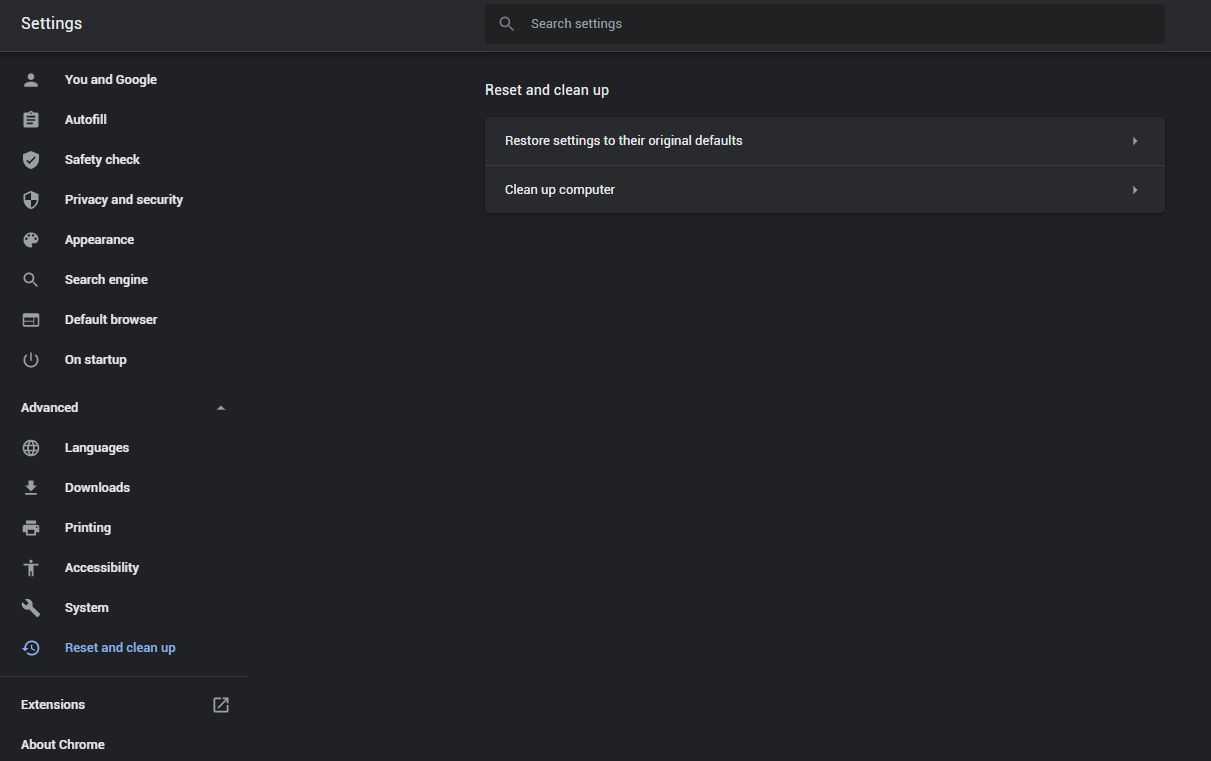
- Open Settings tab, find the “Advanced” button. In the extended tab choose the “Reset and clean up” button:
- In the appeared list, click on the “Restore settings to their original defaults”:
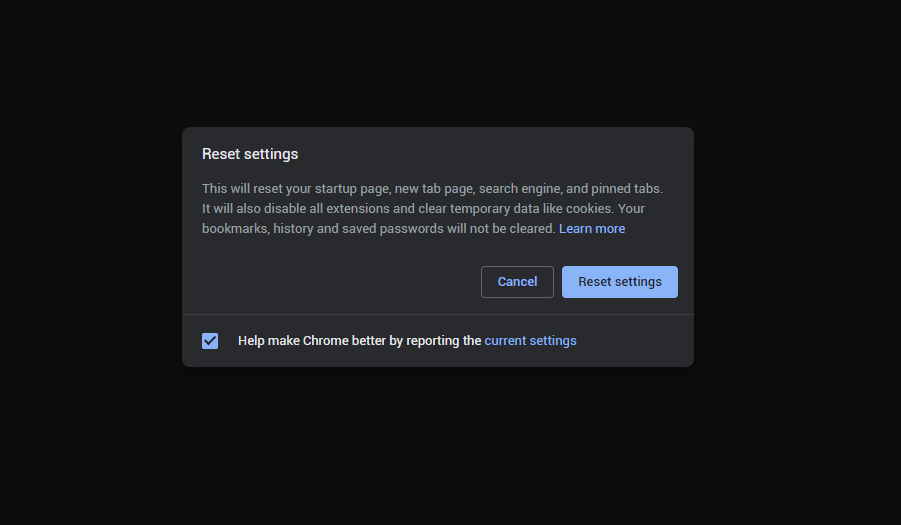
- Finally, you will see the window, where you can see all the settings which will be reset to default:
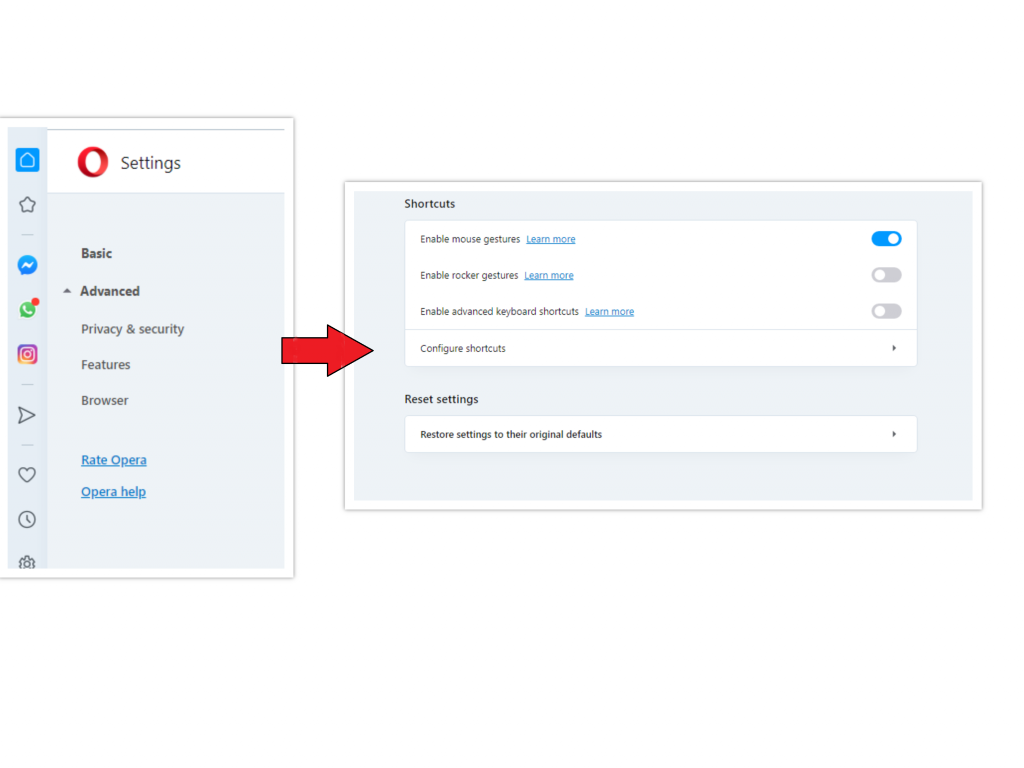
Opera can be reset in the next way
- Open Settings menu by pressing the gear icon in the toolbar (left side of the browser window), then click “Advanced” option, and choose “Browser” button in the drop-down list. Scroll down, to the bottom of the settings menu. Find there “Restore settings to their original defaults” option:
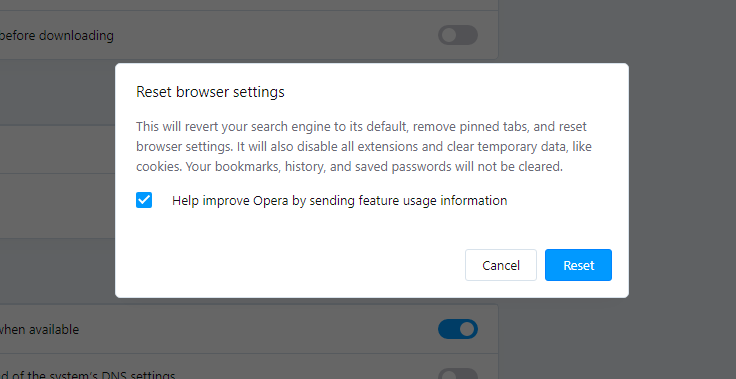
- After clicking the “Restore settings…” button, you will see the window, where all settings, which will be reset, are shown:
When the browsers are reset, you need to ensure that your browser will connect the right DNS while connecting to the web page you need. Create a text file titled “hosts” on your pc’s desktop, then open it and fill it with the following lines2:
# Copyright (c) 1993-2006 Microsoft Corp.

#

# This is a sample HOSTS file used by Microsoft TCP/IP for Windows.

#

# This file contains the mappings of IP addresses to host names. Each

# entry should be kept on an individual line. The IP address should

# be placed in the first column followed by the corresponding host name.

# The IP address and the host name should be separated by at least one

# space.

#

# Additionally, comments (such as these) may be inserted on individual

# lines or following the machine name denoted by a '#' symbol.

#

# For example:

#

# 102.54.94.97 rhino.acme.com # source server

# 38.25.63.10 x.acme.com # x client host

# localhost name resolution is handle within DNS itself.

# 127.0.0.1 localhost

# ::1 localhost
Find the hosts.txt file in C:/Windows/System32/drivers/etc directory. Rename this file to “hosts.old.txt” (to distinguish it from the new one), and then move the file you created on the desktop to this folder. Remove the hosts.old from this folder. Now you have your hosts file as good as new.
Scan your system for possible viruses
Once the scan is complete, you will see the detections or a notification about a clean system. Proceed with pressing the Clean Up button (or OK when nothing is detected).
References
- Official Microsoft guide for hosts file reset.


Leave a Comment