
If you see the message reporting that the Behavior:Win32/SuspExchgSession.E was found on your computer, or in times when your computer system works as well slowly and give you a huge amount of frustrations, you absolutely make up your mind to scan it for Exchange Session and also clean it in a proper solution. Right now I will certainly inform to you how to do it.
Because http communication uses many different TCP connections, the web server needs a method to recognize every user’s connections. The most useful method depends on a token that the Web Server sends to the client browser after a successful client authentication. A session token is normally composed of a string of variable width and it could be used in different ways, like in the URL, in the header of the http requisition as a cookie, in other parts of the header of the http request, or yet in the body of the http requisition.
The Session Hijacking attack compromises the session token by stealing or predicting a valid session token to gain unauthorized access to the Web Server.
Most of Exchange Session are utilized to earn a profit on you. The criminals specifies the selection of harmful programs to swipe your credit card information, online banking credentials, as well as various other facts for illegal purposes.
Threat Summary:
| Name | Exchange Session Behavior |
| Detection | Behavior:Win32/SuspExchgSession.E |
| Details | The Session Hijacking attack consists of the exploitation of the web session control mechanism, which is normally managed for a session token.
Because http communication uses many different TCP connections, the web server needs a method to recognize every user’s connections. The most useful method depends on a token that the Web Server sends to the client browser after a successful client authentication. A session token is normally composed of a string of variable width and it could be used in different ways, like in the URL, in the header of the http requisition as a cookie, in other parts of the header of the http request, or yet in the body of the http requisition. The Session Hijacking attack compromises the session token by stealing or predicting a valid session token to gain unauthorized access to the Web Server. |
Sorts of viruses that were well-spread 10 years ago are no more the source of the problem. Currently, the trouble is a lot more apparent in the locations of blackmail or spyware. The problem of repairing these problems calls for different solutions as well as new techniques.
Does your antivirus regularly report about the “Exchange Session”?
If you have seen a message suggesting the “Behavior:Win32/SuspExchgSession.E found”, then it’s an item of excellent information! The pc virus “Behavior:Win32/SuspExchgSession.E” was identified and, most likely, erased. Such messages do not indicate that there was a truly energetic Exchange Session on your gadget. You could have simply downloaded a data which contained Behavior:Win32/SuspExchgSession.E, so your anti-virus software immediately deleted it before it was introduced as well as triggered the troubles. Additionally, the harmful manuscript on the contaminated website might have been found as well as prevented prior to causing any problems.
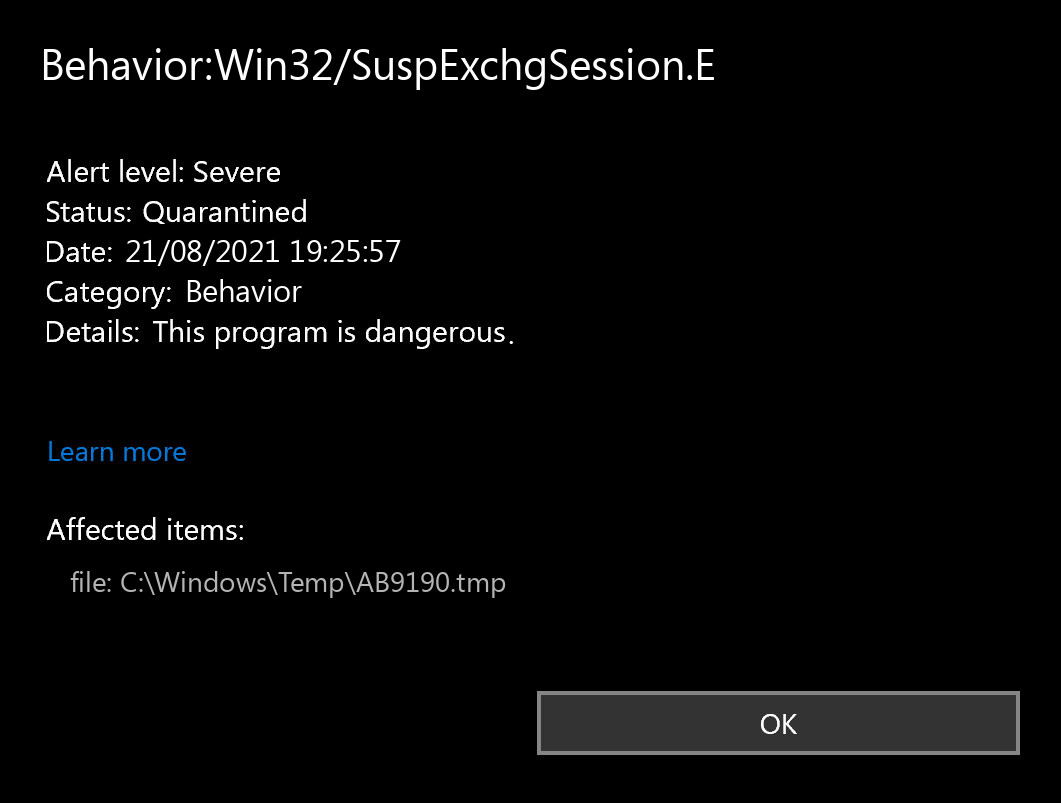
Microsoft Defender: “Behavior:Win32/SuspExchgSession.E”
Simply put, the message “Behavior:Win32/SuspExchgSession.E Found” during the common use of your computer does not indicate that the Exchange Session has actually completed its goal. If you see such a message after that it could be the evidence of you seeing the infected web page or loading the destructive file. Try to avoid it in the future, however don’t worry too much. Trying out opening up the antivirus program and also checking the Behavior:Win32/SuspExchgSession.E discovery log data. This will certainly offer you more details concerning what the specific Exchange Session was found as well as what was specifically done by your anti-virus software program with it. Naturally, if you’re not positive sufficient, refer to the manual check– at any rate, this will certainly be practical.
How to scan for malware, spyware, ransomware, adware, and other threats.
If your computer operates in a very sluggish means, the website open in an unusual manner, or if you see advertisements in the position you’ve never anticipated, it’s possible that your system obtained infected and also the infection is currently active. Spyware will certainly track all your activities or reroute your search or home pages to the places you don’t intend to go to. Adware might infect your internet browser as well as even the entire Windows OS, whereas the ransomware will certainly try to obstruct your computer as well as require an incredible ransom money quantity for your very own files.
How to scan your PC for Behavior:Win32/SuspExchgSession.E?
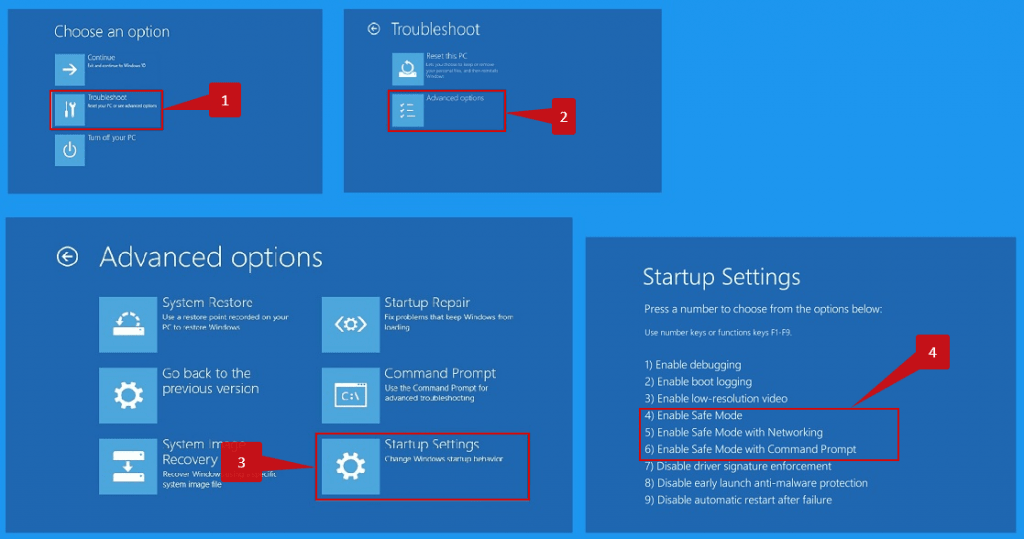
Use Safe Mode to fix the most complex Behavior:Win32/SuspExchgSession.E issues.
It’s not sufficient to simply use the antivirus for the security of your computer. You need to have an extra thorough antivirus software. Not all malware can be detected by regular antivirus scanners that primarily search for virus-type threats. Your computer may have lots of “trash”, for example, toolbars, browser plugins, shady internet search engines, bitcoin-miners, as well as other kinds of unwanted software used for making money on your inexperience. Be cautious while downloading and install apps on the web to stop your device from being filled with unwanted toolbars as well as other junk data.


Leave a Comment