
Backdoor:IRC/Fylex.A has the capability to receive a remote connection from a malicious hacker and perform actions against the compromised system. If you see the message reporting that the Backdoor:IRC/Fylex.A was found on your Windows PC, or in times when your computer system works too slowly and gives you a huge amount of headaches, you absolutely comprise your mind to scan it for IRC/Fylex.A as well as tidy it in a correct technique. Today I will inform to you how to do it.
Most of Backdoor:IRC/Fylex.A is used to make a profit on you. The criminals specify the range of risky programs to take your charge card details, electronic banking credentials, as well as other facts for deceitful functions.
Types of viruses that were well-spread 10 years ago are no longer the source of the problem. Presently, the issue is a lot more apparent in the locations of blackmail or spyware. The challenge of dealing with these issues needs different softwares and also different approaches.
Does your antivirus regularly report about the “IRC/Fylex.A”?
If you have seen a message indicating the “Backdoor:IRC/Fylex.A found”, after that, it’s a piece of great information! The malware “Backdoor:IRC/Fylex.A” was detected as well as, probably, erased. Such messages do not mean that there was a truly active IRC/Fylex.A on your device. You could have simply downloaded and installed documents that contained Backdoor:IRC/Fylex.A, so your anti-virus software application automatically erased it prior to it was released and caused the difficulties. Conversely, the malicious script on the contaminated internet site could have been detected as well as protected against prior to triggering any kind of issues.
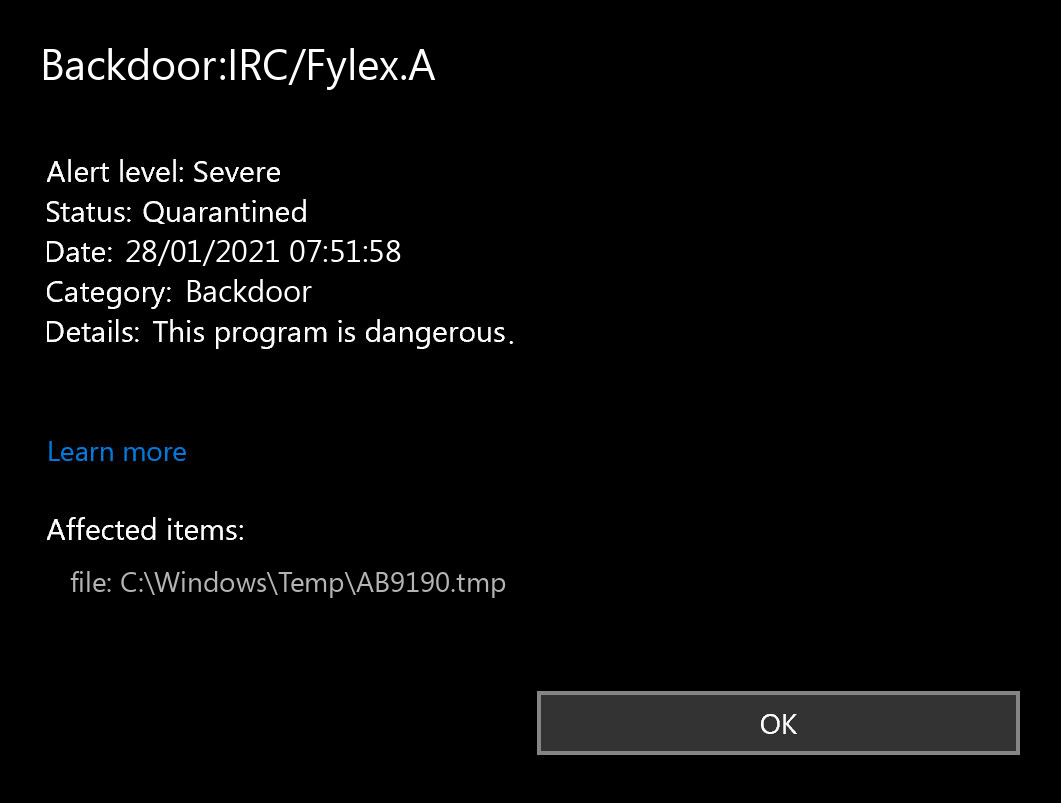
Microsoft Defender: “Backdoor:IRC/Fylex.A”
Simply put, the message “Backdoor:IRC/Fylex.A Found” during the typical use of your computer does not mean that the IRC/Fylex.A has finished its goal. If you see such a message after that maybe the proof of you seeing the infected web page or filling the destructive file. Try to avoid it in the future, but don’t worry way too much. Try out opening up the antivirus program and also inspecting the Backdoor:IRC/Fylex.A discovery log document. This will certainly provide you even more information concerning the precise IRC/Fylex.A was found and what was especially done by your antivirus software application with it. Certainly, if you’re not positive enough, refer to the hand-operated check– at any rate, this will be useful.
How to scan for malware, spyware, ransomware, adware, and other threats.
If your system operates in an exceptionally lagging method, the web pages open in an unusual way, or if you see advertisements in places you’ve never anticipated, it’s feasible that your system obtained infected as well as the infection is now active. Spyware will certainly track all your tasks or redirect your search or web page to the locations you do not intend to visit. Adware may infect your browser and also even the entire Windows OS, whereas the ransomware will certainly try to obstruct your PC and also demand a remarkable ransom quantity for your very own files.
How to scan your PC for Backdoor:IRC/Fylex.A?
Use Safe Mode to fix the most complex Backdoor:IRC/Fylex.A issues.
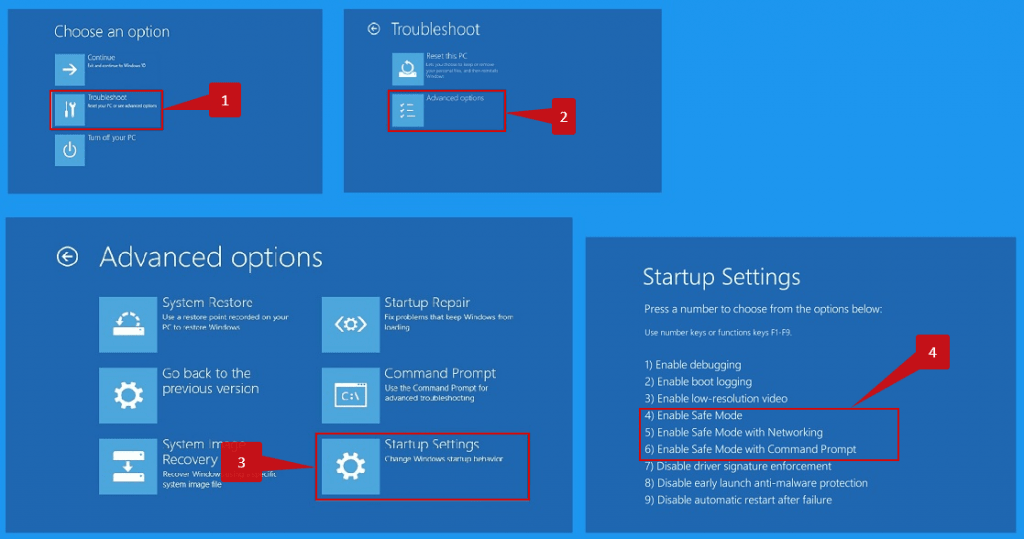
It’s not sufficient to simply use the antivirus for the safety and security of your system. You require to have a much more thorough antivirus app. Not all malware can be detected by typical antivirus scanners that mostly try to find virus-type hazards. Your computer may contain “junk”, for instance, toolbars, web browser plugins, shady internet search engines, bitcoin-miners, and also other kinds of unwanted programs used for making money on your inexperience. Beware while downloading programs on the web to prevent your tool from being loaded with unwanted toolbars and also other scrap information.


Leave a Comment