
If you see the message reporting that the Backdoor:Win32/FlyAgent.F was found on your PC, or in times when your computer system works too slowly and provides you a huge amount of headaches, you most definitely comprise your mind to scan it for FlyAgent and also tidy it in a proper tactic. Today I will certainly show to you exactly how to do it.
FlyAgent backdoor is an illegal tool to gain access to a server or computer bypassing the security mechanisms of the system.
FlyAgent backdoor is often installed as part of an exploit. And in some cases, the backdoor enters the computer as a result of a previous attack.
FlyAgent is often difficult to detect, and detection methods vary greatly depending on the version of the malware. In some cases, antivirus software can detect a backdoor. In other cases, security professionals may need to use specialized tools to detect backdoors or use a protocol monitoring tool to inspect network packets.
Backdoor Summary:
| Name | FlyAgent Backdoor |
| Detection | Backdoor:Win32/FlyAgent.F |
| Damage | Gain access to the operating system to perform various malicious actions. |
| Similar | Paralaxrat, Msil Acmendo, Hupigon, Powershell Shaningning, Netwiredrc, Atadommoc, Mocbot, Msil Kuribot |
| Fix Tool | See If Your System Has Been Affected by FlyAgent backdoor |
Sorts of viruses that were well-spread 10 years ago are no longer the resource of the trouble. Presently, the problem is more noticeable in the areas of blackmail or spyware. The difficulty of dealing with these issues requires new tools and also new methods.
Does your antivirus regularly report about the “FlyAgent”?
If you have seen a message showing the “Backdoor:Win32/FlyAgent.F found”, then it’s a piece of excellent news! The virus “Backdoor:Win32/FlyAgent.F” was detected and, more than likely, removed. Such messages do not imply that there was a really energetic FlyAgent on your device. You might have simply downloaded and install a documents that contained Backdoor:Win32/FlyAgent.F, so your anti-virus software instantly erased it before it was launched and created the troubles. Alternatively, the destructive script on the infected internet site can have been spotted and prevented before triggering any type of issues.
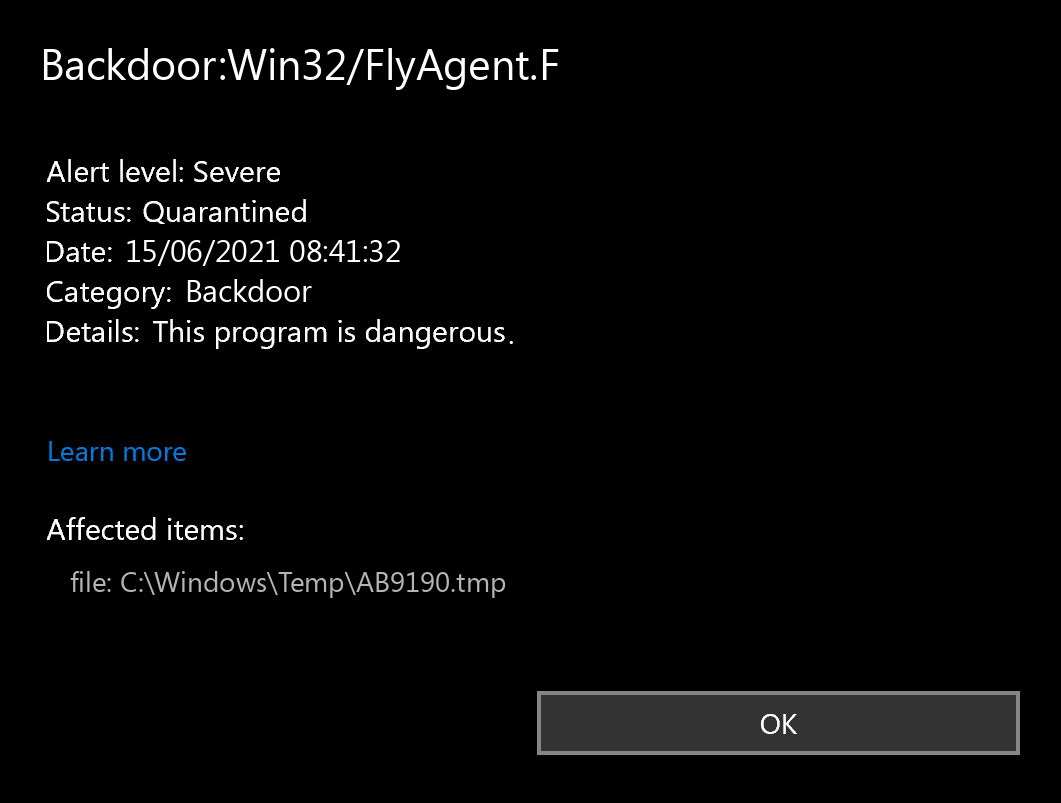
Microsoft Defender: “Backdoor:Win32/FlyAgent.F”
Simply put, the message “Backdoor:Win32/FlyAgent.F Found” during the usual use of your computer system does not imply that the FlyAgent has actually completed its objective. If you see such a message then maybe the proof of you visiting the contaminated page or loading the harmful file. Try to avoid it in the future, yet do not fret way too much. Explore opening up the antivirus program and also inspecting the Backdoor:Win32/FlyAgent.F discovery log file. This will certainly provide you even more information concerning what the precise FlyAgent was spotted and what was specifically done by your antivirus software application with it. Of course, if you’re not certain enough, describe the manual scan– anyway, this will certainly be practical.
How to scan for malware, spyware, ransomware, adware, and other threats.
If your system operates in an exceptionally slow means, the websites open in an unusual fashion, or if you see advertisements in the position you’ve never anticipated, it’s feasible that your computer obtained infected and also the infection is currently active. Spyware will track all your tasks or redirect your search or web page to the areas you don’t intend to go to. Adware may infect your web browser and also even the entire Windows OS, whereas the ransomware will attempt to obstruct your system and require a remarkable ransom money amount for your own data.
How to scan your PC for Backdoor:Win32/FlyAgent.F?
Use Safe Mode to fix the most complex Backdoor:Win32/FlyAgent.F issues.
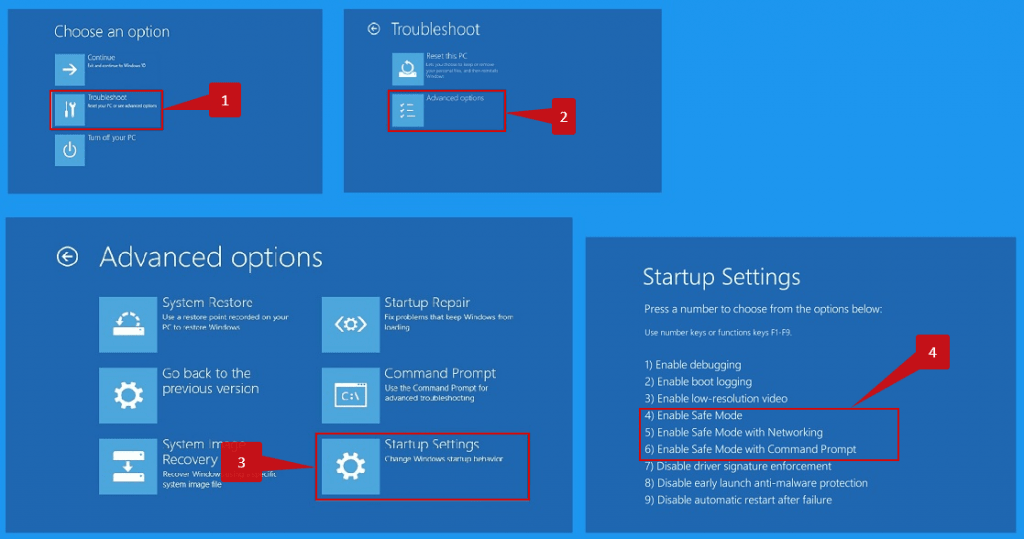
It’s not sufficient to simply use the antivirus for the safety of your system. You require to have an extra extensive antivirus solution. Not all malware can be found by regular antivirus scanners that largely seek virus-type threats. Your system might have plenty of “trash”, for example, toolbars, Chrome plugins, dubious internet search engines, bitcoin-miners, and also various other kinds of unwanted software used for making money on your inexperience. Be cautious while downloading and install apps online to avoid your tool from being full of unwanted toolbars as well as other scrap data.


Leave a Comment