
winlogon.exe is normally the Windows Logon Application. Microsoft documentation describes Winlogon as part of secure user interaction during sign-in, including secure attention sequence handling and logon desktops. The legitimate Microsoft-signed file is not a coin miner. A fake copy using the same name is possible, but the real process is essential.
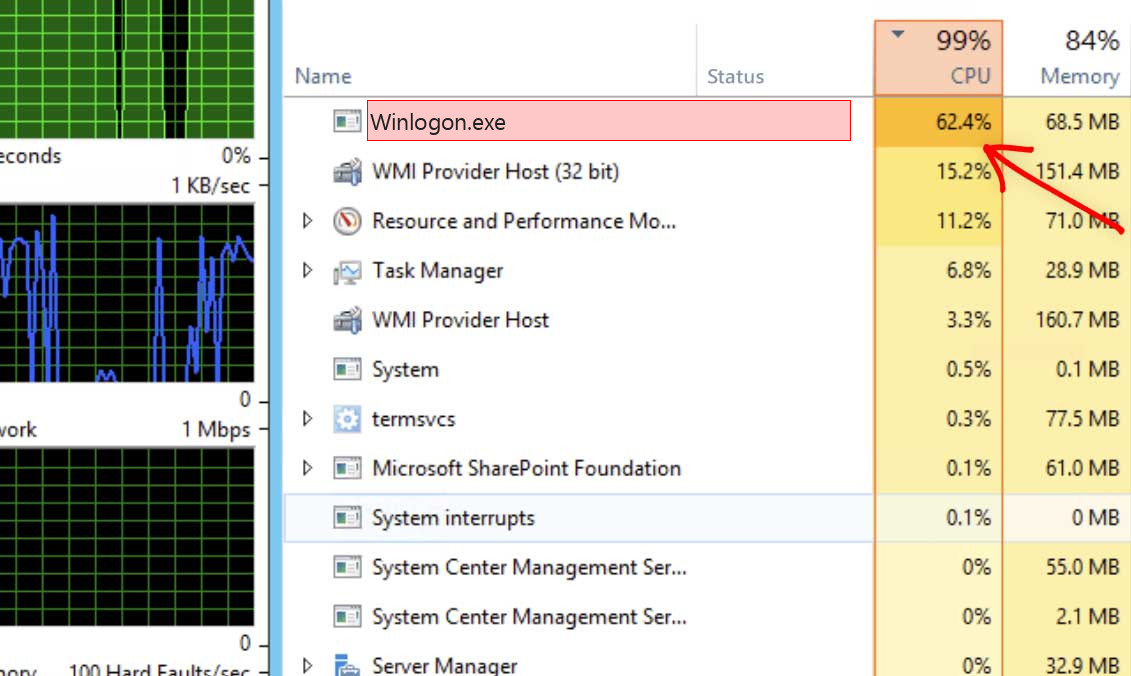
What is winlogon.exe?
Winlogon is involved in sign-in, lock/unlock behavior, secure attention sequence handling, user profile loading, and other logon-related tasks. Because it is tied to authentication and the desktop session, it should run from the Windows system folder and be signed by Microsoft.
Safe vs suspicious signs
| Usually legitimate | Suspicious |
Located in C:\Windows\System32 and signed by Microsoft. |
Runs from AppData, Temp, Downloads, Startup, or a similar-looking folder. |
| Runs as Windows Logon Application. | A second winlogon.exe appears under a normal user folder. |
| Low resource usage during normal desktop use. | Constant high CPU/GPU, unknown network traffic, or random startup launchers. |
| Lock/unlock and sign-in work normally. | Logon errors, fake lock screens, disabled security, or unknown admin accounts appear. |
How to verify winlogon.exe
- Open Task Manager and check the file location.
- Confirm that it is in System32.
- Check the Microsoft digital signature.
- Review whether more than one suspicious copy exists.
- If a copy runs from another folder, scan it and check startup entries.
Why winlogon.exe may appear active
Winlogon can become active around sign-in, lock/unlock, screensaver authentication, user switching, or profile loading. Short activity around those events is normal. Constant high resource use is not typical and should lead to path/signature verification and logon-event troubleshooting.
What to do with logon problems
If sign-in, lock screen, or profile loading is broken but winlogon.exe is the legitimate file, repair Windows rather than removing the process. Check Windows updates, Event Viewer, user profile errors, shell startup entries, and system file integrity. Run SFC/DISM if Windows components appear damaged.
When to scan for malware
Scan if winlogon.exe is outside System32, unsigned, duplicated in user folders, or linked to fake lock screens and suspicious startup tasks. Also scan if new admin users, remote-access tools, or browser/security changes appeared at the same time.
Decision tree
If the file is Microsoft-signed in System32, do not remove it. If it is a second copy outside Windows folders, treat it as suspicious. If the issue is a broken logon flow, repair profile/shell/update components instead.
Decision tree for winlogon.exe
If winlogon.exe is the Microsoft-signed System32 file, do not remove it. If logon or lock-screen behavior is broken, investigate profile loading, shell startup, credential providers, recent updates, and Event Viewer. If a second copy runs from AppData, Temp, or Startup, treat it as suspicious.
If the process is quiet and the path is correct, leave it alone. If CPU is high during sign-in or unlock only, check profile and shell events. If CPU is high all the time from a wrong path, scan and remove the launcher.
Practical example
A legitimate winlogon.exe may become noticeable around lock/unlock or user switching. That is expected. A fake copy in a user folder that starts at login is not expected. The same name does not mean the same risk.
What to record before cleanup
For a suspicious copy, record the path, signature, startup entry, and parent process. Check whether shell settings, logon scripts, or credential-provider entries were changed. Fake logon-related malware may attempt persistence around user session startup.
After repair
After fixing logon issues, test sign-in, lock/unlock, user switching, and restart. If a fake copy was removed, check for new admin accounts, remote-access tools, and changed browser/security settings. Do not weaken Windows logon protections to hide the symptom.
Advanced check
Use Event Viewer to inspect Winlogon and User Profile Service events around the time of sign-in problems. A damaged user profile, shell extension, credential provider, or startup script can make winlogon.exe appear involved while the real issue is elsewhere.
If a fake copy is found, review shell startup entries and Run keys. Logon-related malware often tries to start as soon as the user session begins.
Common mistakes
Do not confuse a broken sign-in experience with a malicious winlogon.exe file. A legitimate winlogon.exe may be present while a user profile, shell extension, or credential provider is broken. Conversely, do not trust a second winlogon.exe copy in a user folder just because the filename is familiar.
Always separate the real System32 file from any suspicious duplicate before acting.
If sign-in problems began after a Windows update, check update history and profile errors before assuming malware. If they began after installing remote-access software, screen lockers, or fake security tools, investigate those apps first. Record any changed Run keys or shell values before removing them.
After cleanup, test sign-in in a normal account and a secondary local account if available. If only one profile is broken, repair the profile instead of changing core Windows files. If all profiles are affected, focus on system repair and suspicious logon components.
That avoids deleting the wrong component while the real issue is profile-specific.
FAQ
Is winlogon.exe safe?
The real Microsoft Windows Logon Application is safe and essential.
Can I delete it?
No. Deleting or killing the real process can break the session or force restart behavior.
What is the biggest red flag?
A winlogon.exe copy outside C:\Windows\System32.



Leave a Comment