
Win64:MalwareX-gen [Trj] is a generic detection name used by antivirus software to identify a potentially harmful file or program that exhibits characteristics or behavior commonly associated with malware. The “Win64” part of the detection name indicates that it is specific to 64-bit Windows systems.
The term “MalwareX” is a placeholder used by antivirus vendors to represent a wide range of different types of malware. The “[Trj]” indicates that the detection is classified as a Trojan, which is a type of malware that disguises itself as legitimate software to trick users into executing it.
Since Win64:MalwareX-gen [Trj] is a generic detection, it does not provide specific information about the exact nature or behavior of the detected file. It is important to note that the presence of this detection does not necessarily mean that your system is infected with a specific known malware. It could be a new or unknown variant of malware or a false positive detection.
If Win64:MalwareX-gen [Trj] is detected on your system, it is recommended to perform a full system scan using reputable antivirus software to identify and remove any potential threats. Keeping your antivirus software up to date, practicing safe browsing habits, and exercising caution when downloading and installing files from untrusted sources can help protect your system from malware infections.
Most of the instances, Win64:MalwareX-gen [Trj] infection will advise its victims to start funds transfer for the function of neutralizing the changes that the Trojan infection has actually introduced to the sufferer’s tool.
Win64:MalwareX-gen [Trj] Summary
These adjustments can be as follows:
- Anomalous binary characteristics. This is a way of hiding virus’ code from antiviruses and virus’ analysts.
- Ciphering the files situated on the target’s disk drive — so the sufferer can no longer use the data;
- Preventing routine accessibility to the victim’s workstation. This is the typical behavior of a virus called locker. It blocks access to the computer until the victim pays the ransom.
One of the most normal channels whereby Win64:MalwareX-gen [Trj] Ransomware are injected are:
- By means of phishing emails;
- As a consequence of customer winding up on a source that hosts a harmful software application;
As quickly as the Trojan is successfully infused, it will either cipher the information on the sufferer’s computer or protect against the device from operating in a correct manner – while additionally putting a ransom money note that points out the need for the targets to impact the settlement for the purpose of decrypting the files or bring back the file system back to the first condition. In many instances, the ransom note will certainly come up when the client reboots the COMPUTER after the system has actually currently been harmed.
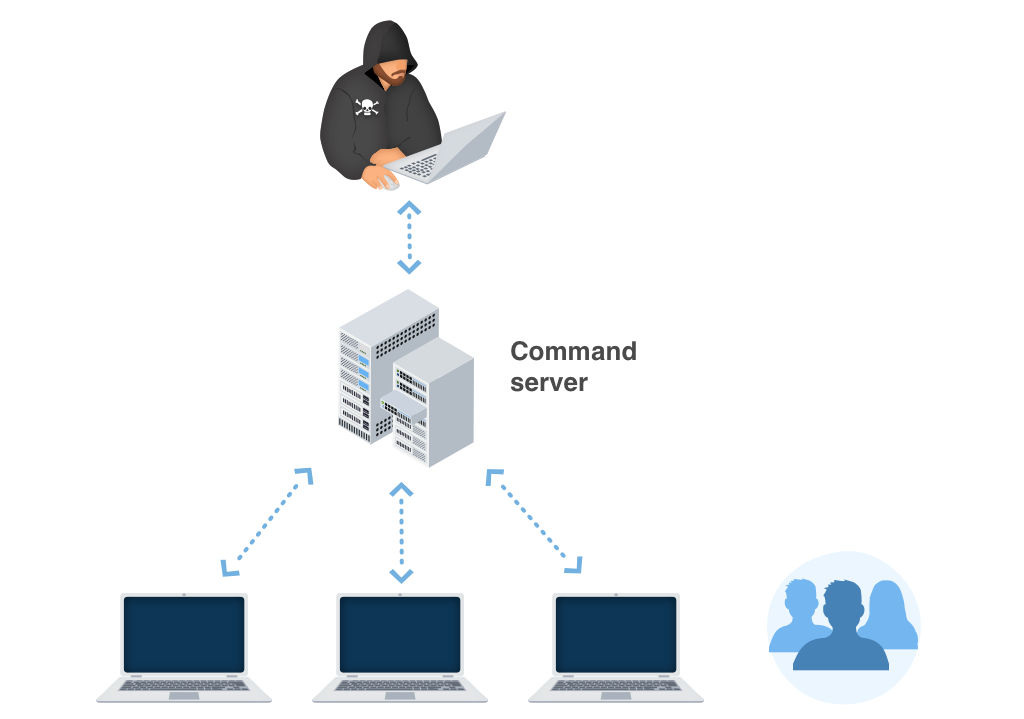
Win64:MalwareX-gen [Trj] networks.
In various edges of the globe, Win64:MalwareX-gen [Trj] expands by leaps and bounds. Nonetheless, the ransom notes and techniques of extorting the ransom quantity might differ depending upon particular regional (local) settings. The ransom notes and methods of extorting the ransom money amount might differ depending on particular regional (local) setups.
For instance:
Faulty informs regarding unlicensed software application.
In specific areas, the Trojans usually wrongfully report having spotted some unlicensed applications allowed on the target’s gadget. The alert after that requires the user to pay the ransom money.
Faulty statements regarding unlawful material.
In countries where software program piracy is much less prominent, this technique is not as efficient for the cyber frauds. Alternatively, the Win64:MalwareX-gen [Trj] popup alert might falsely claim to be originating from a law enforcement institution as well as will report having situated youngster porn or other unlawful data on the tool.
Win64:MalwareX-gen [Trj] popup alert may falsely assert to be obtaining from a legislation enforcement institution and will certainly report having situated youngster porn or other prohibited data on the gadget. The alert will in a similar way include a requirement for the user to pay the ransom.
Technical details
File Info:
crc32: F4B5567Emd5: 840b5220b5d8041e6bab72be5a71a6b9name: 840B5220B5D8041E6BAB72BE5A71A6B9.mlwsha1: ad1c2f99daee358b79a6683f39699e0bb5381a9dsha256: b1280c85c41ba01ae9d6bf83b8d1483033dce2d15133b273e303cf935e0be9f8sha512: b7cef42353884dac07c95f055f68f047b6a76b676c2bf05c25b302cef1c9deaacedfcddd9e27062c4920a5b0930949a38b6f8fa34fa5fc2462795b9e9205dc36ssdeep: 768:Q/k6i3xx+TsWNWuX2Ydu1+FL7P5XekIVgkfyy9ukqs1uHae5Ewc3Y+SqHliQyS5:1DoBtdu4LVuTZMOzXY+V1RYtype: PE32+ executable (console) x86-64, for MS WindowsVersion Info:
0: [No Data]
Win64:MalwareX-gen [Trj] also known as:
| GridinSoft | Trojan.Ransom.Gen |
| K7AntiVirus | Trojan ( 0056b1d91 ) |
| Elastic | malicious (high confidence) |
| DrWeb | Trojan.Encoder.32184 |
| Cynet | Malicious (score: 100) |
| CAT-QuickHeal | Ransom.Exorcist.A4 |
| ALYac | Trojan.Ransom.Exorcist |
| Cylance | Unsafe |
| Zillya | Trojan.DelShad.Win32.584 |
| Sangfor | Trojan.Win32.Save.a |
| CrowdStrike | win/malicious_confidence_100% (W) |
| Alibaba | Ransom:Win32/DelShad.a70fdf11 |
| K7GW | Trojan ( 0056b1d91 ) |
| Cybereason | malicious.0b5d80 |
| Cyren | W64/Ransom.TZHC-8781 |
| ESET-NOD32 | a variant of Win64/Filecoder.Exorcist.A |
| Avast | Win64:MalwareX-gen [Trj] |
| Kaspersky | Trojan.Win32.DelShad.dqs |
| BitDefender | Generic.Malware.FP!dld!2.2507DD91 |
| NANO-Antivirus | Trojan.Win64.DelShad.hpaffo |
| MicroWorld-eScan | Generic.Malware.FP!dld!2.2507DD91 |
| Tencent | Win32.Trojan.Delshad.Dxct |
| Ad-Aware | Generic.Malware.FP!dld!2.2507DD91 |
| Sophos | Mal/Generic-R + Troj/Ransom-GBP |
| Comodo | Malware@#3sabsslzyrje6 |
| VIPRE | Trojan.Win32.Generic!BT |
| TrendMicro | Ransom_Genasom.R007C0DB521 |
| McAfee-GW-Edition | BehavesLike.Win64.Backdoor.qm |
| FireEye | Generic.mg.840b5220b5d8041e |
| Emsisoft | Generic.Malware.FP!dld!2.2507DD91 (B) |
| SentinelOne | Static AI – Malicious PE |
| Avira | TR/AD.RansomHeur.iycyw |
| Microsoft | Ransom:Win32/Genasom.MX!MTB |
| Arcabit | Generic.Malware.FP!dld!2.2507DD91 |
| AegisLab | Trojan.Win32.DelShad.4!c |
| ZoneAlarm | Trojan.Win32.DelShad.dqs |
| GData | Generic.Malware.FP!dld!2.2507DD91 |
| TACHYON | Ransom/W64.Exorcist.53248 |
| AhnLab-V3 | Malware/Win64.Generic.C4319939 |
| Acronis | suspicious |
| McAfee | Artemis!840B5220B5D8 |
| MAX | malware (ai score=100) |
| VBA32 | Trojan.DelShad |
| Malwarebytes | Ransom.Exorcist |
| Panda | Trj/CI.A |
| TrendMicro-HouseCall | Ransom_Genasom.R007C0DB521 |
| Rising | Ransom.Agent!1.C2C9 (CLOUD) |
| Yandex | Trojan.Filecoder!JwvquRFUIjs |
| Ikarus | Trojan-Ransom.Exorcist |
| MaxSecure | Trojan.Malware.74134469.susgen |
| Fortinet | W64/Exorcist.A!tr.ransom |
| AVG | Win64:MalwareX-gen [Trj] |
| Paloalto | generic.ml |
| Qihoo-360 | Win64/Trojan.df6 |
How to remove Win64:MalwareX-gen [Trj] ransomware?
Unwanted application has ofter come with other viruses and spyware. This threats can steal account credentials, or crypt your documents for ransom.
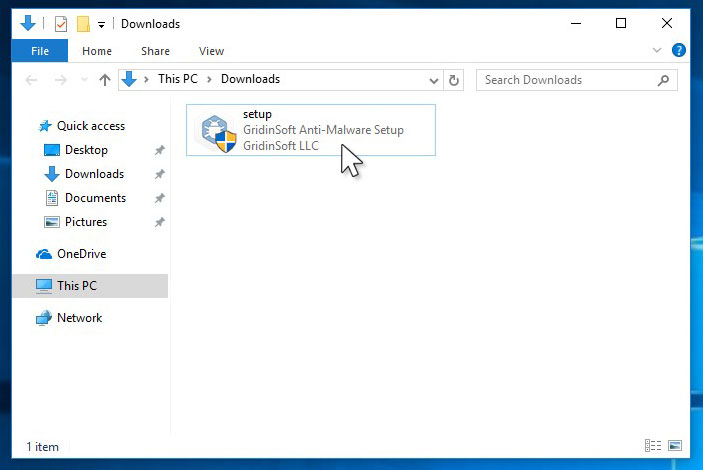
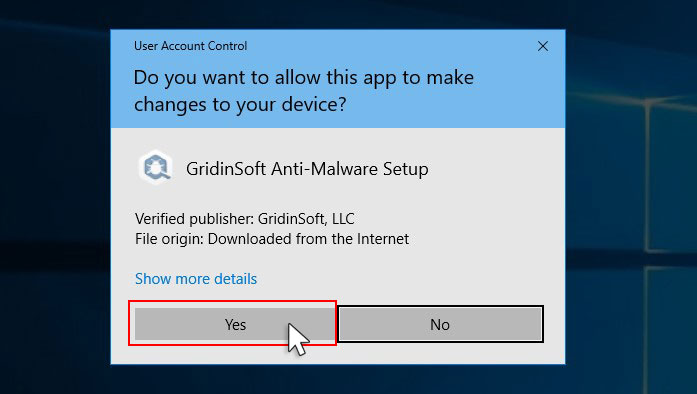
Run the setup file.
Press “Install” button.
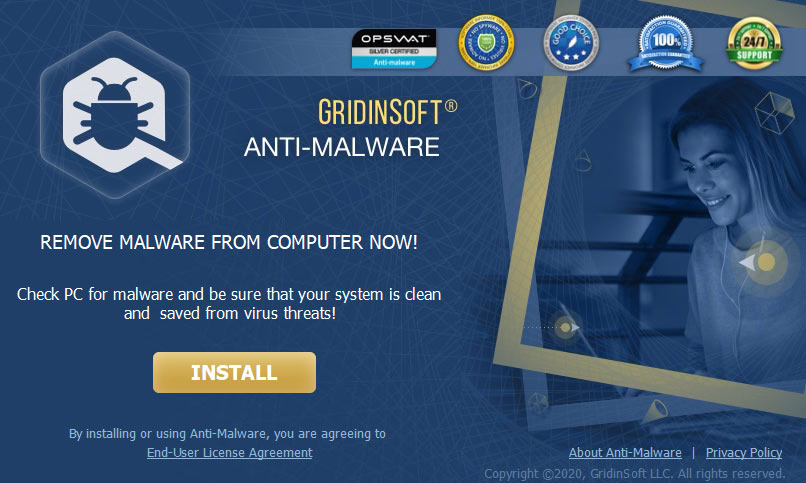
Once installed, Anti-Malware will automatically run.
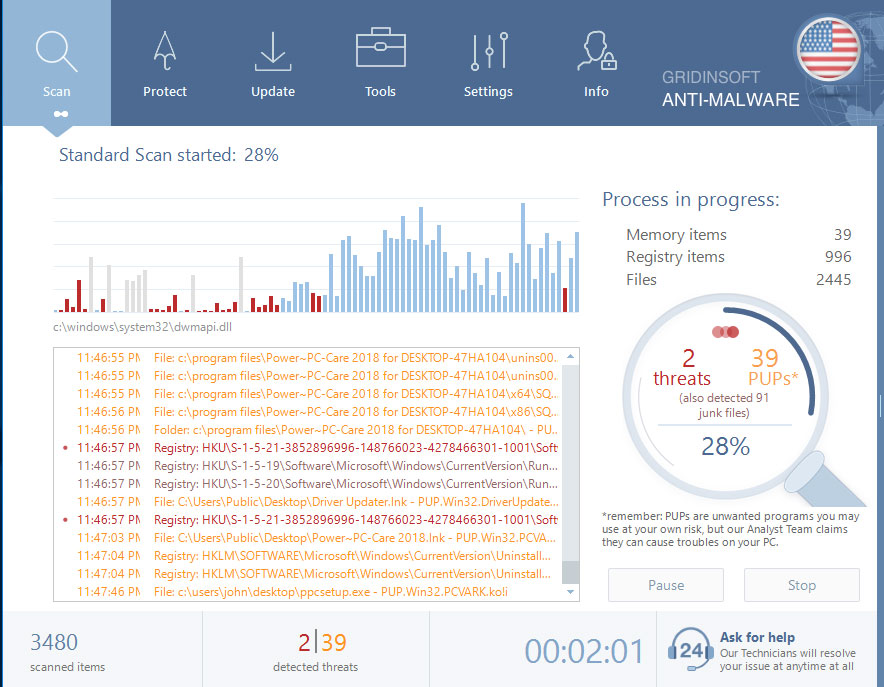
Wait for the Anti-Malware scan to complete.
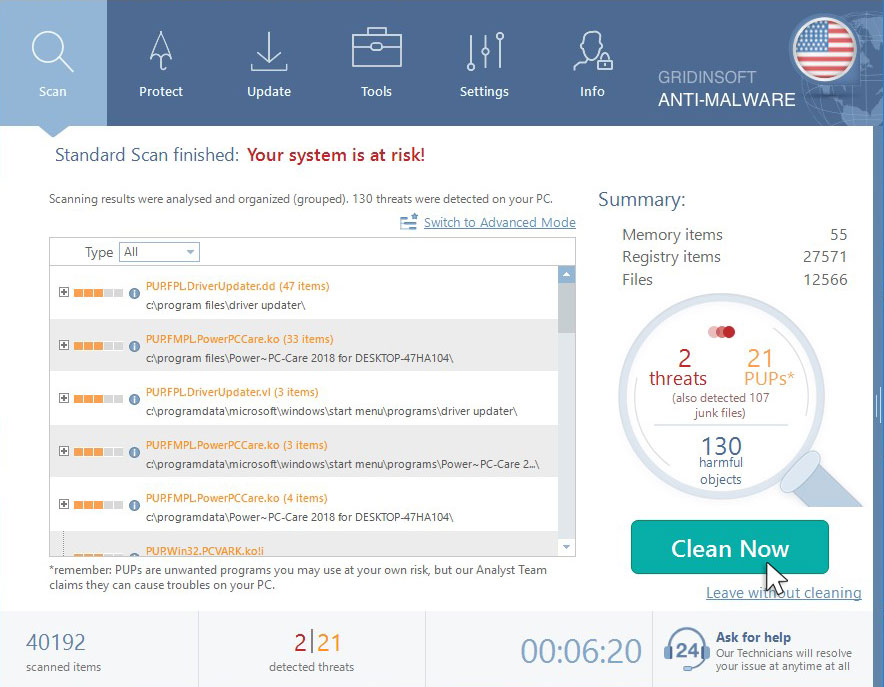
Click on “Clean Now”.
Are Your Protected?
If the guide doesn’t help you to remove Win64:MalwareX-gen [Trj] you can always ask me in the comments for getting help.


Leave a Comment