
WidgetService.exe is most often associated with the Windows Widgets experience, the Microsoft component that powers the Widgets board, news/feed cards, weather, traffic, stocks, sports, and other glanceable information in Windows 11. It can also be seen together with Microsoft Edge WebView2 processes because Widgets use web-based content.
The important point is that WidgetService.exe is not automatically malware. A Microsoft-signed copy that belongs to the Windows Web Experience Pack is normal. A copy with the same name in AppData, Temp, Downloads, or a random startup folder is a different story and should be checked carefully.
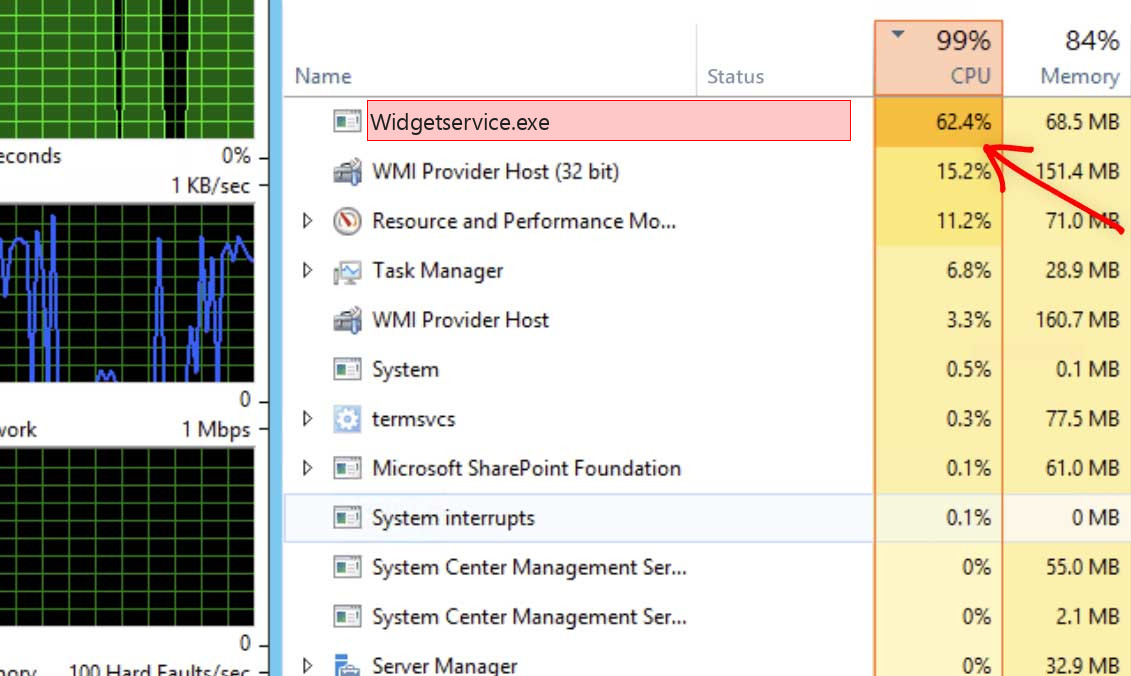
What is WidgetService.exe?
WidgetService.exe is a helper process used by Windows Widgets / Windows Web Experience components. Widgets are Microsoft’s built-in panel for small cards such as weather, calendar, news, traffic, sports, and personalized content. Microsoft describes Widgets as a Windows feature for keeping up with information from apps and services without opening each app separately.
On a normal Windows 11 system, the legitimate executable is commonly tied to a Windows app package, often under a path similar to:
C:\Program Files\WindowsApps\MicrosoftWindows.Client.WebExperience_...\WidgetService.exeBecause WindowsApps folders are protected, users may not always browse them casually. That is normal. What matters is whether Task Manager, Process Explorer, or file properties show a Microsoft package path and a valid Microsoft signature.
Is WidgetService.exe a virus?
WidgetService.exe is not a virus when it is the Microsoft-signed component from the Windows Web Experience Pack. It can run in the background even when the Widgets board is not visibly open, because the feed, notifications, and web content may refresh periodically.
Still, malware can imitate familiar Windows names. A fake WidgetService.exe may be installed by a bundled app, fake update, browser extension installer, cracked software, or unwanted desktop utility. Do not judge by the name alone. Judge by path, digital signature, parent process, installed package, startup entry, and behavior.
Normal vs suspicious signs
| Looks normal | Looks suspicious |
|---|---|
| Located in a Microsoft WindowsApps / Web Experience package path | Runs from AppData, Temp, Downloads, Startup, or a random folder |
| Signed by Microsoft Corporation / Microsoft Windows | Unsigned, unknown publisher, or invalid signature |
| Appears with Widgets, WebView2, weather/news feed, or Windows shell activity | Appeared after a fake update, crack, bundle installer, or unknown desktop widget tool |
| Short CPU/network activity while Widgets refreshes content | Constant CPU/GPU/network use while idle and Widgets are disabled |
| No strange startup entry outside Microsoft package registration | Scheduled task or Run entry launches the file from a user-writable folder |
Why WidgetService.exe can use CPU, memory, or network
Windows Widgets is content-heavy. It can refresh news, weather, market data, sports cards, calendars, and personalized feed items. That means WidgetService.exe and related WebView2 processes may briefly use CPU, memory, disk, or network. Short activity is expected, especially after login, after waking from sleep, after changing network state, or after Windows updates.
Persistent high usage is different. It may happen when the Widgets package is corrupted, WebView2 is stuck, a feed card loops, a Microsoft account/session token is stale, or a Windows update partially installed the Web Experience Pack. Malware is possible, but it should be investigated after verifying whether the file is the legitimate Microsoft component.
How to check WidgetService.exe manually
- Open file location.
In Task Manager, right-click WidgetService.exe and choose Open file location. If Windows blocks browsing the folder, use Properties or Process Explorer to read the full path. - Check the path.
A legitimate Widgets helper should be tied to Microsoft WindowsApps / Web Experience package folders. A copy inAppData,Temp,Downloads, or a random folder is suspicious. - Verify the signature.
Open Properties → Digital Signatures. The signer should be Microsoft. If there is no signature or the publisher is unknown, do not allow the file automatically. - Check related processes.
WidgetService.exe may appear with Widgets, WebView2, Runtime Broker, or Windows shell processes. A random parent process from a download folder is not normal. - Review installed apps.
Look for recent “desktop widget,” “weather,” “system optimizer,” or browser-extension bundles. Third-party widget tools can use similar names. - Check startup entries.
Review Startup apps, Task Scheduler, Services, and Run registry entries for a non-Microsoft path launching WidgetService.exe.
How to fix high CPU from WidgetService.exe
If the file is Microsoft-signed and in the expected WindowsApps package path, start with Widgets repair rather than malware removal.
- Restart Widgets.
End Widgets-related processes from Task Manager and open the Widgets board again. A stuck feed refresh often clears after restart. - Sign out and back in.
If Widgets is tied to account/feed sync, signing out of the Microsoft account used by Widgets and signing back in can refresh stale session data. - Update Windows and Microsoft Store apps.
Install Windows updates and update Microsoft Store apps, especially Windows Web Experience Pack if available. - Repair Microsoft Edge WebView2.
Widgets rely on web content. A broken WebView2 runtime can make WidgetService.exe or WebView2 processes look busy. - Temporarily disable Widgets.
Right-click the taskbar, open Taskbar settings, and turn Widgets off. If CPU drops, the issue is tied to Widgets rather than the file name itself. - Reset or reinstall the Web Experience package.
If the package is corrupted, resetting/reinstalling Windows Web Experience Pack may help. Use this only after basic updates and restarts.
Can you disable WidgetService.exe?
You generally should not delete WidgetService.exe. If you do not use Widgets, disabling the Widgets taskbar feature is safer than removing files from WindowsApps. On managed systems, administrators can also control Widgets through policy. For personal systems, the Taskbar settings toggle is the cleanest first step.
If disabling Widgets stops the CPU/network activity, you have identified the feature causing the load. You can leave Widgets disabled, update the package later, and re-enable it for a test. If activity continues while Widgets are disabled and the file path is outside Microsoft folders, investigate it as a suspicious copy.
When it may really be malware
Run a full security check if WidgetService.exe is unsigned, not in a Microsoft package path, launched from a startup entry, or tied to unwanted software. Also scan if the process reappears after you delete a suspicious copy, because another launcher may be recreating it.
Do not scan only the visible executable. Check the parent folder, scheduled tasks, startup entries, browser downloads, recently installed apps, and browser extensions. Unwanted installers often leave a launcher behind that restores the suspicious file after reboot.
Optional security check
Need a second opinion?
Optional recommendation. Do not remove a legitimate Microsoft-signed Windows Widgets component only because it appears in Task Manager.
FAQ
Is WidgetService.exe part of Windows?
It can be. A legitimate copy is usually tied to the Microsoft Windows Web Experience / Widgets package and should have a valid Microsoft signature.
Why is WidgetService.exe using the network?
Widgets can refresh weather, news, sports, traffic, and other feed content. Short network activity is normal; constant activity with a wrong file path is not.
Why do I see Microsoft Edge WebView2 with WidgetService.exe?
Windows Widgets uses web-based content, so WebView2 may be involved in rendering or refreshing cards.
Can I remove WidgetService.exe?
Do not delete the Microsoft-signed WindowsApps copy. Disable Widgets through Taskbar settings if you do not use the feature. Remove only a confirmed fake copy outside Microsoft folders.
What is the best first check?
Open file location and verify the digital signature. Those two checks quickly separate a legitimate Microsoft component from an imitation.
Conclusion
WidgetService.exe is usually a Windows Widgets helper, not an automatic coin miner or virus. The useful checks are path, Microsoft signature, related Web Experience package, WebView2 activity, startup entries, and whether disabling Widgets changes the behavior. If the file is Microsoft-signed and in the WindowsApps package path, repair or disable Widgets. If it is unsigned or running from a user-writable folder, treat it as suspicious and scan the system.



Leave a Comment