
services.exe is normally the Windows Service Control Manager process. It starts, stops, and manages Windows services and driver services. The legitimate Microsoft-signed file is not a coin miner. Because it is important and familiar to Windows, malware may imitate the name, so path and signature verification are essential.
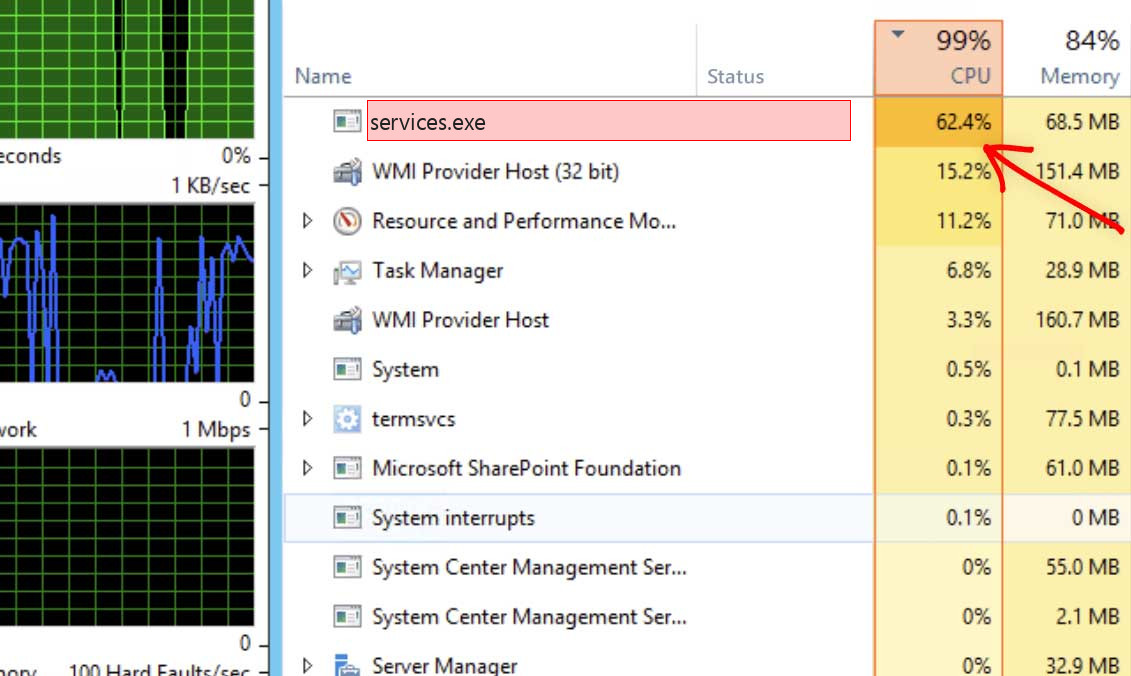
What is services.exe?
Microsoft documentation describes the Service Control Manager as the component that maintains the database of installed services and provides a secure way to control them. In practical terms, services.exe is part of how Windows starts background services during boot and lets tools such as Services.msc, sc.exe, and system components manage them.
Safe vs suspicious signs
| Usually legitimate | Suspicious |
| Located in a Windows system folder and signed by Microsoft. | Runs from AppData, Temp, Downloads, Startup, or a random folder. |
| Starts very early in boot and remains stable. | Multiple odd copies run under user folders. |
| Services.msc and Windows services behave normally. | Unknown services, disabled security, or fake service names appear. |
| Low resource usage most of the time. | Constant high CPU/GPU or suspicious network behavior from a fake copy. |
How to verify services.exe
- Open Task Manager, right-click services.exe, and choose Open file location.
- Confirm that the file is in a trusted Windows system folder.
- Check the Microsoft digital signature.
- Open Services.msc and look for recently added unknown services.
- If a fake copy exists, identify the service or task that launches it.
Why services.exe may be blamed for problems
Because services.exe manages services, users may notice it when services are starting, failing, or restarting. The real cause is often a broken service, driver, security product, updater, or malware-created service. Killing services.exe is not a fix; it can destabilize Windows.
How to fix suspicious service behavior
If unknown services appeared recently, record their names, paths, publishers, and creation dates. Disable suspicious third-party services only after documenting them. If the service points to AppData, Temp, or a random folder, scan the file and remove the service entry. If a legitimate vendor service is broken, update or uninstall that vendor software.
When to scan for malware
Scan if services.exe is outside the Windows folder, unsigned, or if unknown services point to suspicious files. Also scan if Windows Security is disabled, browsers redirect, remote-access tools appear, or service entries return after deletion.
Decision tree for services.exe warnings
If services.exe is the Microsoft-signed system file, do not remove it. Look for a specific service that is broken, restarting, or suspicious. If services.exe is outside the Windows system folder, treat it as a fake copy and investigate the launcher that starts it.
If several services fail at boot, check Reliability Monitor and Event Viewer. A driver, security product, or update may be failing and making the service system look suspicious even when services.exe itself is healthy.
How to review suspicious services
Open Services.msc and sort by startup type. Look for recently added services with vague names, no description, unknown publisher, or paths in AppData/Temp. Use the service properties to see the executable path. If the path points to a suspicious file, document it before disabling or removing the service.
Common legitimate causes
Driver installers, antivirus products, backup tools, remote support software, printer utilities, and update agents all install services. Some are legitimate; some unwanted programs do the same. The path, publisher, and install date help separate the two.
After repair or cleanup
Reboot and confirm that Windows services start normally. If you removed a malicious service, run another scan and check that Windows Security, firewall, networking, audio, and updates still work. If a legitimate vendor service was broken, reinstall or update the vendor app.
Practical example
If Services.msc shows an unknown service pointing to AppData, that service is the problem, not the real Service Control Manager. Disable the suspicious service, scan the target file, and remove the parent program. If the service belongs to a known printer, VPN, backup, or security tool, update or repair that tool instead.
What to record before cleanup
Record service name, display name, executable path, startup type, publisher, and install date. If you remove a malicious service, check whether another task or service recreates it after reboot.
Advanced check: service persistence
Malware-created services often use vague names, delayed start, recovery options, or service descriptions copied from Microsoft. Check the executable path and recovery settings. If a removed file keeps returning, another scheduled task or updater may recreate the service. Search for the target folder name across services and tasks before calling cleanup finished.
After removal, review new local users, firewall rules, and remote-access tools if the service looked malicious.
Service-based malware often tries to survive reboots, so a second reboot check is useful.
If the service path points to Program Files and a known vendor, verify that vendor before removal. If it points to AppData or Temp, treat it as high risk.
Keep a list of removed services so you can trace later symptoms to the cleanup work if needed.
FAQ
Can I delete services.exe?
No. The real Windows Service Control Manager is essential.
Why is it always running?
Windows needs it to manage background services during the session.
What is the biggest red flag?
A services.exe file outside a Windows system folder, especially in AppData or Temp.


Leave a Comment