
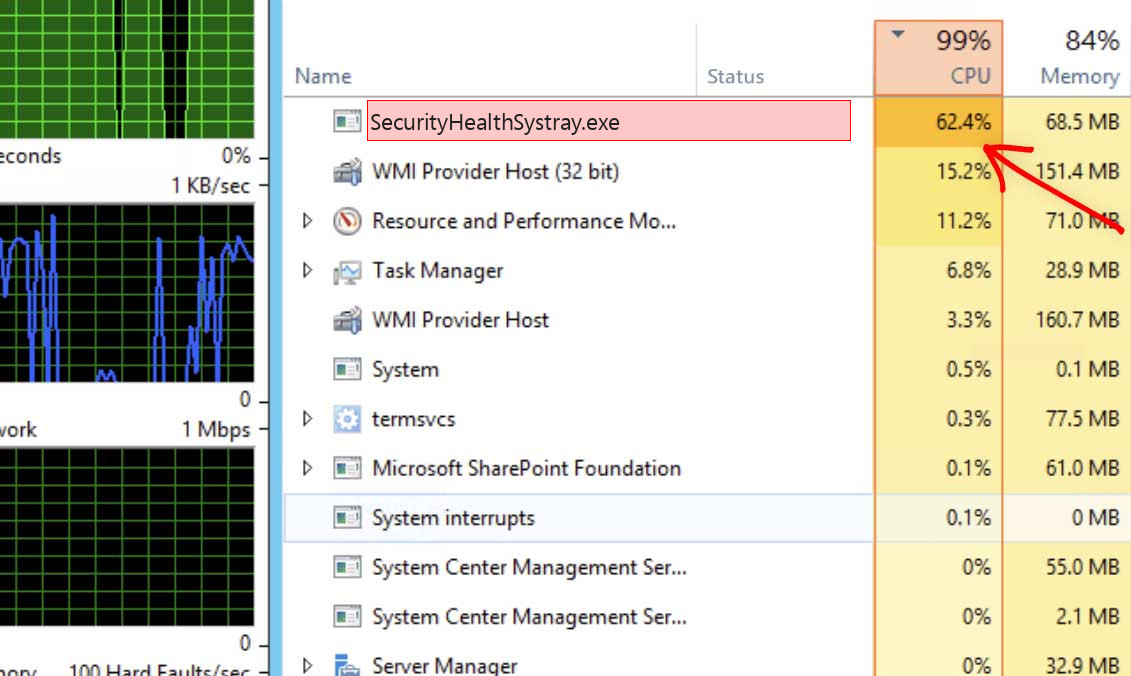
SecurityHealthSystray.exe is usually the Windows Security notification icon process. It helps show the Windows Security tray icon and alerts related to antivirus, firewall, account protection, and device security. Older pages often mislabeled it as a coin miner, but the real Microsoft-signed file is a normal Windows component.
What is SecurityHealthSystray.exe?
SecurityHealthSystray.exe belongs to the Windows Security user interface. It is associated with the security status icon in the notification area. If Windows Security is active, the process can start with Windows and show warnings when protection needs attention.
That said, a fake file can use the same name. If the process is not in a trusted Windows folder or is not signed by Microsoft, verify it before trusting it.
Safe vs suspicious signs
| Usually legitimate | Suspicious |
| Located in a Windows system/security folder. | Runs from AppData, Temp, Downloads, or Startup. |
| Signed by Microsoft. | Unsigned or unknown publisher. |
| Appears with Windows Security tray icon behavior. | Uses high CPU/GPU, connects to unknown hosts, or returns from a random task. |
| Windows Security opens normally. | Windows Security is disabled or redirects to errors. |
Why it may show warnings
The process may show warnings when antivirus protection is off, updates are missing, firewall settings changed, device security needs attention, or another antivirus has taken over protection. A warning from Windows Security is not the same as the tray process being malicious.
How to verify it
- Open Task Manager and choose Open file location.
- Check that the file is in a trusted Windows location.
- Open file properties and confirm Microsoft as the publisher.
- Open Windows Security from Settings, not from a pop-up link.
- Review protection history for real detections.
How to fix issues
If Windows Security is broken, install Windows updates, reboot, and run sfc /scannow. If another antivirus is installed, confirm whether Microsoft Defender real-time protection is intentionally disabled. If the tray icon is missing but protection works, restart Windows Security services or repair system files.
When to scan for malware
Scan if the file is outside Windows folders, unsigned, or appears together with disabled security settings, unknown startup entries, browser redirects, or fake antivirus pop-ups. Fake security processes often try to look familiar, but they rarely match the correct path and Microsoft signature.
Decision tree: warning icon or fake security process?
If the process is Microsoft-signed and located in a Windows security folder, treat it as part of Windows Security. Then investigate the warning it is trying to show: outdated definitions, disabled firewall, tamper protection state, account protection, or another antivirus controlling protection.
If the file is unsigned or running from a user folder, treat it as a fake copy. Malware often borrows security-related names because users are reluctant to remove something that sounds protective.
How to repair Windows Security
- Install pending Windows updates.
- Reboot and open Windows Security from Settings.
- Update Microsoft Defender security intelligence.
- Run
sfc /scannowfrom an elevated Command Prompt. - If Windows Security still fails to open, run DISM repair commands and reboot again.
- Check whether a third-party antivirus is intentionally managing protection.
When high CPU is not normal
The tray process should not behave like a miner. If a file named SecurityHealthSystray.exe uses heavy CPU or GPU, immediately check the path and signature. The real tray component is a user-interface helper, not a resource-heavy background worker.
After confirming a fake copy
If you find a fake copy, remove the startup mechanism first. Check scheduled tasks, startup folders, services, and recently installed apps. Then scan the system and verify that Windows Security can open normally. Fake security processes often appear together with browser hijackers, fake update pages, or disabled protection settings.
Why the old “coin miner” label was misleading
SecurityHealthSystray.exe is a good example of why process pages need context. A legitimate Windows security process can have a scary name in Task Manager, while a fake copy can use the same name to hide. Calling the filename itself a miner creates the wrong advice: users may delete a Windows component instead of checking path, signature, and behavior.
Practical checks after repair
After repairing Windows Security, confirm that Virus & threat protection opens, firewall status is visible, and protection history does not show repeated unresolved items. If the tray icon still shows warnings, click through Windows Settings rather than through browser pop-ups or third-party pages claiming your PC is infected.
If a fake copy was present, review account sign-ins and browser extensions too. Fake security processes are often bundled with browser hijackers or fake update installers, so restoring Windows Security alone may not remove every change.
On shared PCs, tell other users not to click browser-based “Windows security” warnings. Real Windows Security opens inside the Windows Settings app, not from a random web page.
Keep the recovery focused on evidence: path, signature, startup source, and Windows Security status.
If the Microsoft-signed file is present but warnings continue, fix the warning cause rather than deleting the process.
This keeps the article aligned with the real user task: verify first, then repair or remove.
FAQ
Is SecurityHealthSystray.exe a coin miner?
The real Microsoft file is not a coin miner. A fake copy can be malicious if it uses the same name from a suspicious path.
Can I disable it?
You can hide notification icons, but disabling Windows Security components is not recommended.
Why does it start with Windows?
It supports the Windows Security status icon and related user notifications.


Leave a Comment