
RAVBg64.exe is usually the Realtek HD Audio Background Process, a helper installed with Realtek audio drivers. It is not automatically a coin miner. The legitimate process can help Realtek audio features, sound effects, jack detection, audio manager functions, and driver services work in the background.
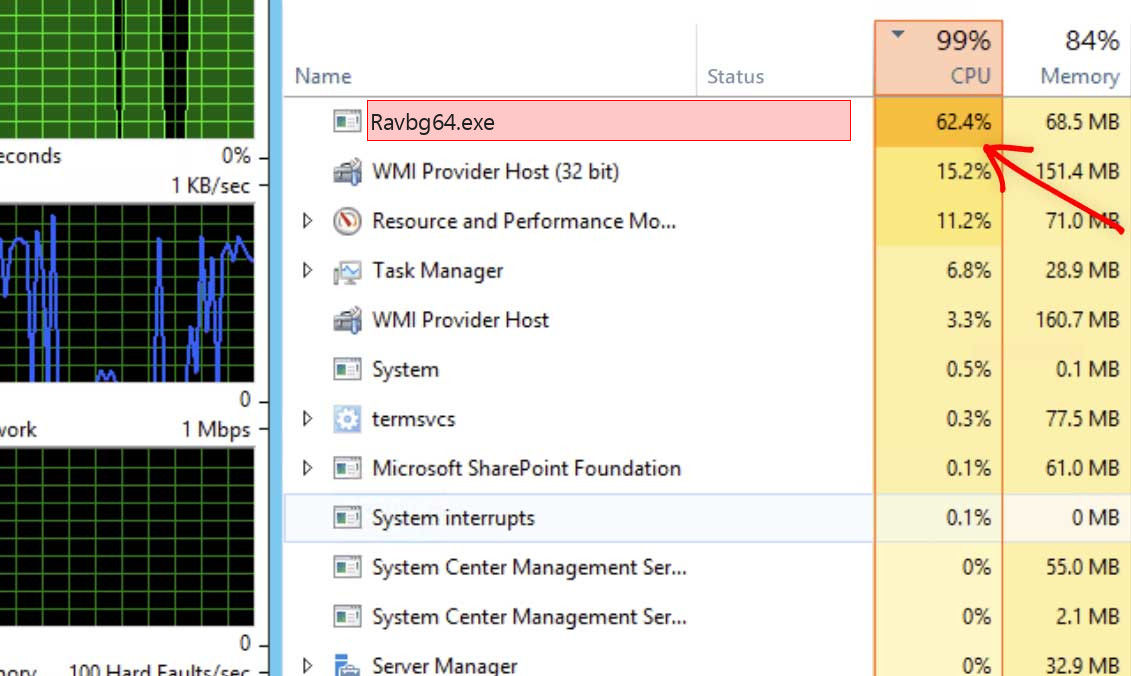
What is RAVBg64.exe?
Realtek audio drivers are common on Windows laptops and desktops. RAVBg64.exe belongs to the 64-bit Realtek audio background process used by some driver packages. If your PC uses Realtek audio, the process may appear in Task Manager even when no audio control panel is open.
The legitimate file should be in a Realtek audio folder and have a trusted publisher. A file with the same name in a random user folder is a different situation.
Safe vs suspicious signs
| Usually legitimate | Suspicious |
| Located under a Realtek audio driver folder. | Runs from AppData, Temp, Downloads, Startup, or a random folder. |
| Appears on a PC with Realtek audio drivers installed. | No Realtek audio device or driver is present. |
| Signed by Realtek or a trusted driver publisher. | Unsigned file or unknown publisher. |
| Uses brief resources during audio device changes or driver startup. | Constant high CPU/GPU or suspicious network activity. |
Why RAVBg64.exe can use CPU
CPU usage can rise when audio devices connect or disconnect, when Realtek services initialize, when sound effects or enhancements are enabled, or when an audio driver install is damaged. Broken Realtek drivers can cause the process to restart or loop. Conflicts with headset software, virtual audio devices, screen recorders, and conferencing apps can also trigger audio service activity.
How to verify it
- Open Task Manager, right-click RAVBg64.exe, and choose Open file location.
- Confirm that the path belongs to Realtek audio software.
- Check the digital signature/publisher.
- Open Device Manager and confirm Realtek audio drivers are installed.
- If the file is outside Realtek folders, scan it and review startup entries.
How to fix high CPU or audio errors
Update the Realtek audio driver from the PC/motherboard manufacturer. If the issue started after a driver update, roll back or reinstall the audio driver. Disable unnecessary audio enhancements for testing. Disconnect external headsets or virtual audio devices and watch whether usage drops. If you do not use Realtek audio, remove leftover Realtek software cleanly.
When to scan for malware
Scan if the file is not in a Realtek folder, is unsigned, appears after a suspicious installer, or remains after Realtek drivers are removed. Also scan if it appears together with browser hijacking, fake update pages, or unknown startup tasks.
Practical example
If RAVBg64.exe spikes when plugging in headphones, it is probably tied to audio jack detection or driver effects. If it spikes while the PC is idle and the file sits in AppData, treat it as a fake copy until proven otherwise.
After repair
After reinstalling the driver, reboot and test audio playback, microphone input, headset detection, and idle CPU. A healthy Realtek background process should stay quiet most of the time.
Decision tree for Realtek audio systems
If the PC uses Realtek audio and RAVBg64.exe is in a Realtek folder, start with driver repair rather than malware removal. If the process spikes after plugging in headphones, starting a voice call, opening a screen recorder, or changing audio enhancements, it is likely responding to audio-driver activity.
If there is no Realtek driver, if the file is unsigned, or if it runs from a user folder, treat it as suspicious. Audio-related names are easy for malware to imitate because users expect audio helpers to run in the background.
Clean audio driver repair path
- Download the audio driver from the laptop, motherboard, or PC manufacturer.
- Uninstall the existing Realtek driver/software if it is broken.
- Reboot before reinstalling.
- Disable unnecessary sound effects and enhancements for testing.
- Test speakers, microphone, headset detection, and idle CPU.
Common false alarms
Realtek utilities can run even when no music is playing because they handle jack detection, device switching, microphone effects, and audio control panels. That alone is not suspicious. The path, signature, and behavior decide the risk.
What to record before removal
If RAVBg64.exe is suspicious, record the file path and the startup entry that launches it. Check whether the same folder contains other fake driver files. Remove the launcher and parent program; deleting only the visible process is often not enough.
When audio symptoms point elsewhere
If sound crackles, microphones disappear, or conferencing apps freeze while RAVBg64.exe is active, the root cause may be the audio driver, headset software, or virtual audio device rather than malware. Test with one audio device at a time and remove unused virtual devices. If the process becomes quiet after uninstalling a virtual audio cable, recorder, or headset suite, keep the Realtek driver and fix that conflicting tool instead.
Keep notes about the driver version you installed. If the next update brings the problem back, you will know which version was stable and can roll back cleanly.
FAQ
Is RAVBg64.exe required?
It may be required for some Realtek audio features, but Windows can often still play basic audio without the full Realtek utility stack.
Can I delete it?
Do not delete it manually. Repair or uninstall the Realtek driver package cleanly.
Is it a miner?
The legitimate Realtek process is not a miner. Fake copies can use the same filename.



Leave a Comment