
Poqexec.exe is often discussed as if it were always malware, but that is too simplistic. In many cases it is a legitimate Microsoft Windows component related to post-OOBE and update task execution. The safe way to handle it is to verify the file path, digital signature, parent process, and behavior before deleting anything.
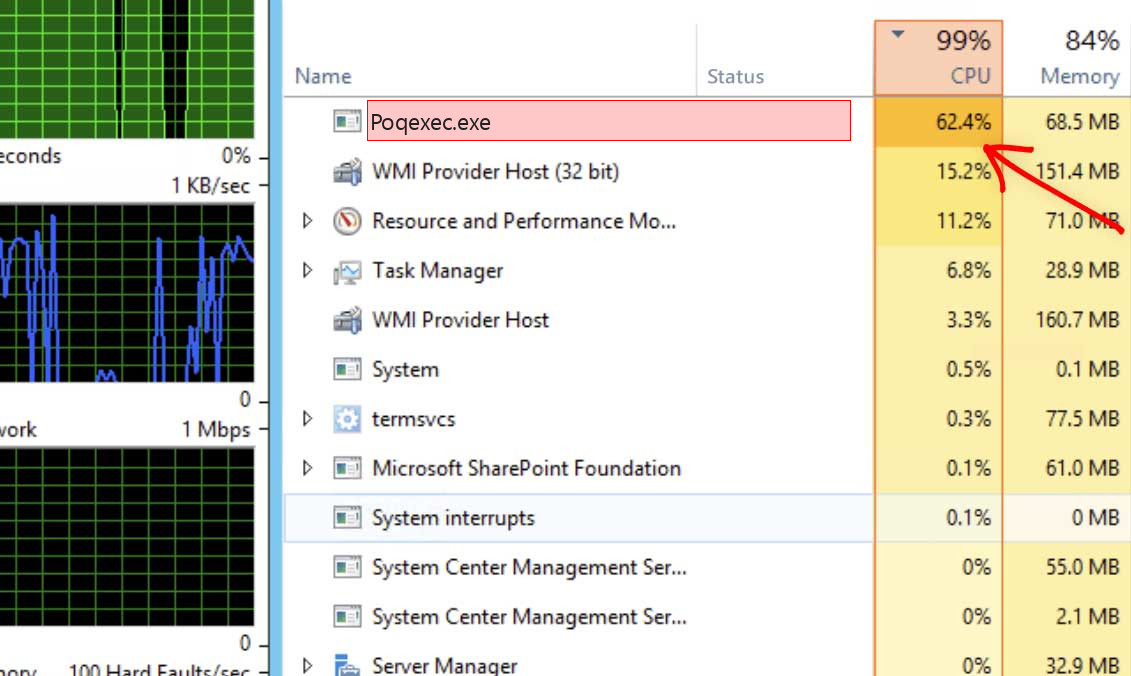
What is Poqexec.exe?
Poqexec is commonly described as a Windows component involved in queued tasks after the out-of-box experience and Windows update/setup work. It may appear around Windows installation, feature updates, cumulative updates, driver staging, Store app provisioning, or first-run configuration tasks.
That does not mean every file named Poqexec.exe is safe. Attackers and unwanted programs can copy legitimate-looking Windows names. The filename alone is not enough; the location and signature matter more.
Quick verdict
| Usually safe | Suspicious |
| Located in a Windows system folder and signed by Microsoft. | Located in AppData, Temp, Downloads, Startup, or a random user folder. |
| Appears during Windows setup, update, or first boot after an update. | Runs constantly with no Windows Update activity. |
| CPU/disk usage stops after update work finishes and the PC reboots. | High CPU returns after every reboot or starts with unknown scheduled tasks. |
| Antivirus flags are rare or clearly tied to a false-positive update event. | Multiple engines flag the same file, or the file hash is unknown and unsigned. |
How to verify Poqexec.exe
- Open Task Manager, right-click Poqexec.exe, and choose Open file location.
- Check whether the folder is a normal Windows system location.
- Open file properties and review the Digital Signatures tab.
- Check Windows Update history for pending or failed updates around the same time.
- If an antivirus flagged it, submit the exact file hash or file sample to a multi-engine scanner before deleting it.
Why it can use high CPU or disk
CPU or disk usage can happen while Windows is processing queued update/setup work. It should be temporary. If the system just installed a cumulative update, feature update, or driver package, give Windows time to finish and reboot once. If the process stays active for hours, check Windows Update history and Event Viewer for repeated setup or servicing errors.
How to fix problems safely
- Restart the computer once after Windows Update finishes.
- Run Windows Update again and install pending updates.
- Use the Windows Update troubleshooter if the same update keeps failing.
- Run
sfc /scannowand DISM repair commands if system files may be damaged. - Do not download replacement Poqexec.exe files from random EXE libraries.
- If the file is outside Windows folders, remove the parent startup item and scan the system.
False positive or real infection?
Poqexec.exe has appeared in false-positive discussions after Windows updates, so a single antivirus warning is not proof of infection. A stronger malware case includes the wrong path, no Microsoft signature, persistence in startup folders, unusual network traffic, or other unwanted changes such as browser redirects or unknown programs.
Step-by-step diagnostic workflow
Start with the simplest question: did Windows recently install or attempt to install updates? If the answer is yes, Poqexec.exe activity is more likely to be part of setup or servicing. Open Settings > Windows Update > Update history and look for failed updates, driver installs, or repeated install attempts. Repeated failures can keep setup-related components active longer than expected.
Next, check the process parent. If Poqexec.exe is launched by a Windows servicing component, setup task, or Microsoft-signed process, the case for legitimacy is stronger. If it is launched from a random scheduled task, a user Startup folder, or an unknown executable in AppData, treat it as suspicious.
Also compare behavior before and after a clean reboot. A normal update-related process should settle down after Windows finishes configuration. A malicious copy often returns immediately, even when Windows Update has nothing pending.
What not to do
Do not download a “clean Poqexec.exe” from DLL or EXE download sites. Replacing Windows components manually can break servicing and may introduce a worse file. Do not delete the file only because Task Manager shows high CPU for a few minutes after an update. And do not ignore the warning if the file is unsigned or located in a user-writable folder.
After you fix it
After repairing Windows Update or removing a suspicious copy, restart the PC and check Task Manager again. Review startup entries, scheduled tasks, and recently installed programs. If the suspicious file was in a user folder, change passwords from a clean device and review browser extensions, because fake system-process infections often arrive with other unwanted components.
Advanced checks for persistent cases
If Poqexec.exe returns after every reboot, use Autoruns or Task Scheduler to look for entries created around the same time the problem started. Pay special attention to tasks with random names, unknown publishers, or actions that launch files from user profile folders. Also review Event Viewer under Windows servicing and setup logs; repeated update failures can explain activity that looks suspicious but is actually a repair loop.
If the file is legitimate but Windows Update is stuck, freeing disk space and repairing the component store can help. If the file is not legitimate, remove the parent task or program first, then scan the whole system rather than focusing only on one executable.
FAQ
Should I delete Poqexec.exe?
Not if it is the Microsoft-signed Windows copy. Repair Windows Update instead. Delete only confirmed malicious copies outside trusted Windows locations.
Why does antivirus flag it?
It can be a false positive, especially after Windows updates. Verify the file hash, path, and signature before acting.
What is the safest next step?
Check the path and signature, reboot after updates, then repair Windows Update if high usage continues.



Leave a Comment