
This brief article provides information about the impact of Win32:CrypterX-gen on your computer. Win32:CrypterX-gen [Trj] is a type of malware that online scammers use to demand ransom money from victims.
What does Win32:CrypterX-gen virus mean?
Win32:CrypterX-gen is a generic detection name used by antivirus software to identify a Trojan infection. Trojans like Win32:CrypterX-gen [Trj] are designed to perform malicious activities on a victim’s computer without their knowledge or consent.
When infected with Win32:CrypterX-gen, the malware may display messages or notifications to the victim, urging them to transfer funds or make a payment in order to revert the changes made by the Trojan. This is a common tactic used by cybercriminals to extort money from their victims.
Additionally, it is crucial to ensure that your computer is protected with up-to-date security software, practice safe browsing habits, and regularly back up your important files to mitigate the risk of falling victim to such infections.
Win32:CrypterX-gen Summary
These modifications can be as complies with:
- Cybercriminals often use binary packers to hinder the reverse-engineering of malicious code by malware analysts. A packer is a tool that compresses, encrypts, and modifies the format of a malicious file. While packers can also have legitimate uses, such as protecting programs against cracking or copying, they are frequently employed for malicious purposes.
- The presence of an Authenticode digital signature, which is a digital certificate used to verify the authenticity and integrity of software.
- The creation of RWX (read-write-execute) memory regions can be exploited by attackers to fill a buffer with shellcode and execute it. This technique involves manipulating the instruction pointer (EIP) by corrupting a function’s stack frame, allowing the attacker to redirect the flow of execution to the shellcode’s address.
- The malware reads data out of its own binary image, potentially including sensitive information that passes through the computer’s memory, such as passwords and bank account numbers.
- The binary likely contains encrypted or compressed data as a means of concealing the virus’ code from antivirus software and analysts.
- Attempts to repeatedly call a single API many times in order to delay analysis time, making the work of virus analysts more challenging. This is a common tactic employed by malware.
- Installs itself for autorun at Windows startup, utilizing the Windows startup folder or registry run keys to ensure the malware is executed each time the user logs into Windows.
- Collects information about installed applications, potentially for the purpose of profiling the target system or gathering data for future malicious activities.
- The creation of hidden or system files, where the malware adds the hidden attribute to files and folders, giving the appearance that everything has been deleted from the hard drive.
- Network activity detected but not recorded in API logs, indicating an attempt by the malware to hide its network activity from monitoring systems.
- Creates a copy of itself, potentially to spread the malware to other locations or systems.
- Anomalous binary characteristics employed to hide the virus’ code from antivirus software and analysts.
- The encryption of records found on the victim’s hard drive, rendering the data inaccessible. This behavior is typical of ransomware that demands a ransom for file decryption.
- Prevents normal accessibility to the victim’s workstation, potentially through various means of disruption or system compromise.
Similar behavior
Related domains
| z.whorecord.xyz | Trojan.Ransom.Shade |
| a.tomx.xyz | Trojan.Ransom.Shade |
Win32:CrypterX-gen [Trj]
One of the most common networks through which Win32:CrypterX-gen [Trj] Ransomware Trojans are injected are:
- By methods of phishing e-mails. Email phishing is a cyber attack that uses disguised email as a goal is to trick the recipient into believing that the message is something they want or need — a request from their bank, for instance, or a note from someone in their company — and to click a link for download a malware.
- As a repercussion of user winding up on a resource that organizes a destructive software;
As quickly as the Trojan is effectively injected, it will certainly either cipher the data on the target’s computer or prevent the device from working in a proper manner – while additionally positioning a ransom money note that discusses the need for the victims to effect the settlement for the purpose of decrypting the documents or recovering the data system back to the preliminary condition. In a lot of instances, the ransom note will certainly turn up when the client restarts the COMPUTER after the system has actually currently been harmed.
Win32:CrypterX-gen [Trj] circulation channels.
In numerous corners of the world, Win32:CrypterX-gen [Trj] expands by jumps and also bounds. Nevertheless, the ransom notes as well as techniques of extorting the ransom money amount might vary depending on certain regional (local) settings. The ransom money notes and techniques of extorting the ransom money quantity may vary depending on certain neighborhood (regional) settings.
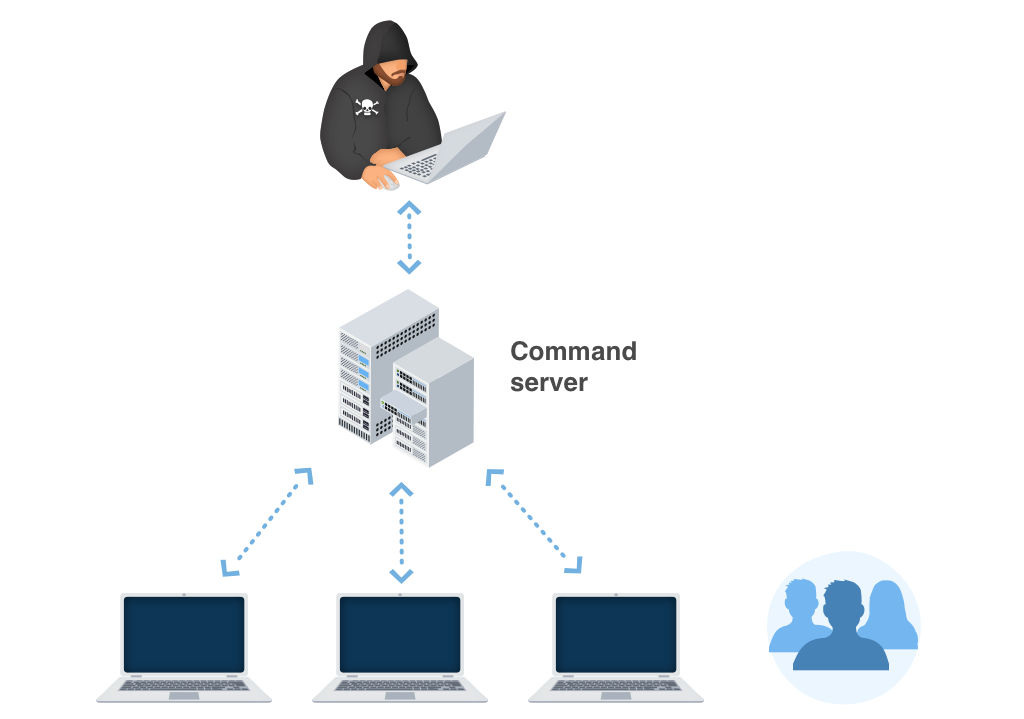
For instance:
-
Unlicensed software application detected as faulty signals.
-
Prohibited content misrepresented as faulty statements.
In certain areas, Trojans often incorrectly detect the presence of unlicensed applications on the target’s PC. The subsequent alert then demands the user to pay the ransom.
In countries with less prevalent software piracy, this tactic is not as effective for cyber frauds. Additionally, the Win32:CrypterX-gen [Trj] popup alert may falsely claim to originate from a law enforcement establishment and falsely report the discovery of child pornography or other illegal files on the device.
Win32:CrypterX-gen may falsely claim to originate from a law enforcement establishment and report the presence of child pornography or other illegal data on the device. The alert will also include a demand for the user to pay the ransom.
Technical details
File Info:
crc32: 7D98A95Fmd5: 75760081efb68f1b0f8202c623a11c79name: 1c.jpgsha1: 6bc07faddb7bbb521561fdcaf67a9e3af8314781sha256: a8105a507cda24d05f6a7488e72ac7f8169ef1b1626fdd479630ecfe5141a375sha512: c897c1abccf2eea1907a266fb73c09cbb7cd0806c31d187b096aafe99127644a90ac1d9ec3d6446bd61133a42436e6d726eb8ab8045e65b33d98da55fcbacb41ssdeep: 12288:uot6vIJx7HFbaUxUmDZ2MFp8nWAZgmmaj0OmBXyXvN1klel8VzqPRs2h2lmQKX9:uY6gHtaHuX5AZWaGBXy/LeVzMH2AJX9type: PE32 executable (GUI) Intel 80386, for MS WindowsVersion Info:
LegalCopyright: Copyright xa9 Hilgraeve, Inc. 2001InternalName: HyperTrmFileVersion: 5.1.2600.0CompanyName: Hilgraeve, Inc.LegalTrademarks: HyperTerminal xae is a registered trademark of Hilgraeve, Inc. Comments: HyperTerminal xae was developed by Hilgraeve, Inc. for MicrosoftProductName: Microsoftxae Windowsxae Operating SystemProductVersion: 5.1.2600.0FileDescription: HyperTerminal AppletOriginalFilename: HYPERTRM.EXETranslation: 0x0409 0x0000
Win32:CrypterX-gen [Trj] also known as:
| GridinSoft | Ransom.Generic.bot |
| DrWeb | Trojan.Encoder.29090 |
| MicroWorld-eScan | Trojan.GenericKD.32223517 |
| CAT-QuickHeal | Trojan.Glwt |
| ALYac | Trojan.Ransom.Shade |
| VIPRE | Trojan.Win32.Generic!BT |
| AegisLab | Trojan.Win32.Malicious.4!c |
| K7AntiVirus | Trojan ( 0054985e1 ) |
| BitDefender | Trojan.GenericKD.32223517 |
| K7GW | Trojan ( 0054985e1 ) |
| Cybereason | malicious.ddb7bb |
| TrendMicro | Ransom.Win32.SHADE.THGCOAI |
| BitDefenderTheta | Gen:NN.ZexaF.32247.br1@amebO!pi |
| Cyren | W32/Agent.BAE.gen!Eldorado |
| Symantec | Packed.Generic.459 |
| APEX | Malicious |
| Avast | Win32:CrypterX-gen [Trj] |
| GData | Trojan.GenericKD.32223517 |
| Kaspersky | HEUR:Trojan-Ransom.Win32.Shade.gen |
| Alibaba | Ransom:Win32/TorJok.00c770e6 |
| NANO-Antivirus | Trojan.Win32.Encoder.fuaubb |
| Rising | Ransom.Shade!8.12CC (TFE:5:ZBvR8aQC1uU) |
| Ad-Aware | Trojan.GenericKD.32223517 |
| Sophos | Troj/Xtbl-CR |
| Comodo | TrojWare.Win32.Ransom.Shade.V@8a2fgu |
| F-Secure | Trojan.TR/AD.Troldesh.oytdw |
| Zillya | Trojan.Filecoder.Win32.9735 |
| Invincea | heuristic |
| McAfee-GW-Edition | Trojan-FRHB!75760081EFB6 |
| Trapmine | malicious.moderate.ml.score |
| FireEye | Generic.mg.75760081efb68f1b |
| Emsisoft | Trojan-Ransom.Shade (A) |
| Ikarus | Trojan-Ransom.Crypted007 |
| F-Prot | W32/Agent.BAE.gen!Eldorado |
| Webroot | Trojan.Dropper.Gen |
| Avira | TR/AD.Troldesh.oytdw |
| Antiy-AVL | Trojan/Win32.TSGeneric |
| Endgame | malicious (high confidence) |
| Arcabit | Trojan.Generic.D1EBB11D |
| ZoneAlarm | HEUR:Trojan-Ransom.Win32.Shade.gen |
| Microsoft | Trojan:Win32/CryptInject.SD!MTB |
| AhnLab-V3 | Trojan/Win32.Agent.R283889 |
| Acronis | suspicious |
| McAfee | Trojan-FRHB!75760081EFB6 |
| VBA32 | Malware-Cryptor.Kirgudu |
| Cylance | Unsafe |
| Panda | Trj/GdSda.A |
| ESET-NOD32 | Win32/Filecoder.Shade.B |
| TrendMicro-HouseCall | Ransom.Win32.SHADE.THGCOAI |
| SentinelOne | DFI – Malicious PE |
| eGambit | PE.Heur.InvalidSig |
| Fortinet | W32/Kryptik.GLWT!tr |
| AVG | Win32:CrypterX-gen [Trj] |
| Paloalto | generic.ml |
| CrowdStrike | win/malicious_confidence_60% (W) |
| Qihoo-360 | HEUR/QVM10.2.C50D.Malware.Gen |
How to remove Win32:CrypterX-gen [Trj] ransomware?
Unwanted application has ofter come with other viruses and spyware. This threats can steal account credentials, or crypt your documents for ransom.
Reasons why I would recommend GridinSoft1
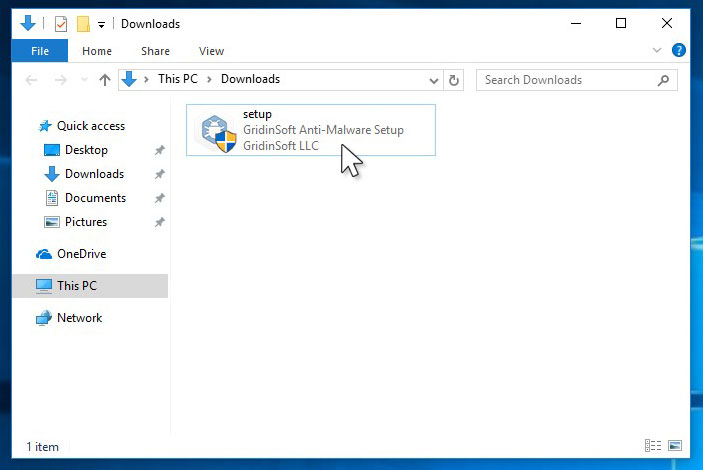
Run the setup file.
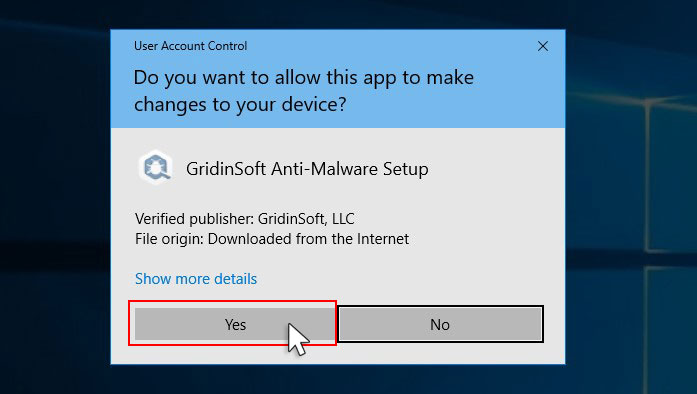
Press “Install” button.

Once installed, Anti-Malware will automatically run.
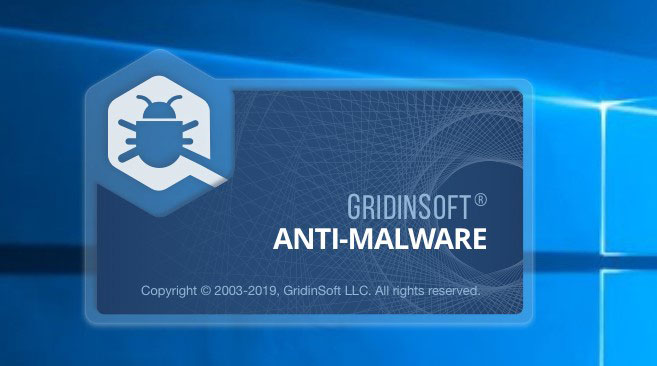
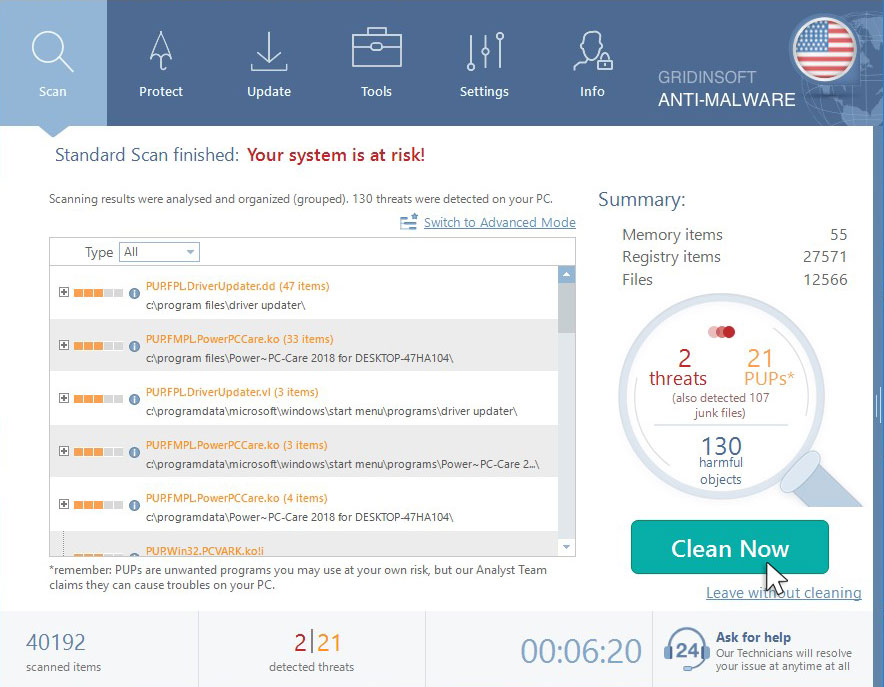
Wait for the Anti-Malware scan to complete.
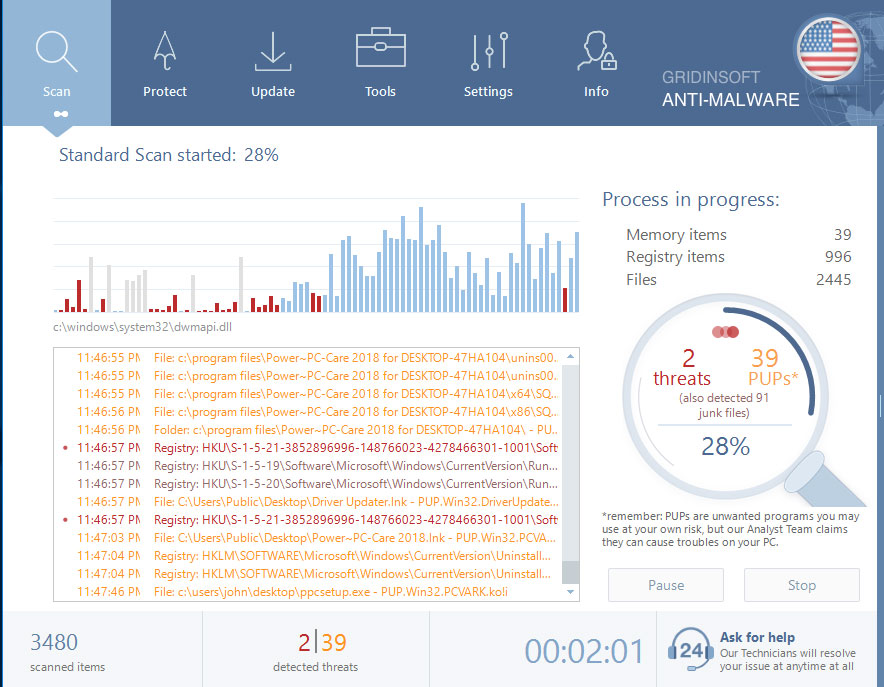
Click on “Clean Now”.
Are Your Protected?
If the guide doesn’t help you to remove Win32:CrypterX-gen [Trj] you can always ask me in the comments for getting help.


Leave a Comment