
CefSharp.BrowserSubprocess.exe is not automatically a virus. It is a helper process used by legitimate Windows applications that embed Chromium-based web pages through the CefSharp framework. The process becomes suspicious only when its location, parent program, signature, or behavior does not match the application that should be using it.
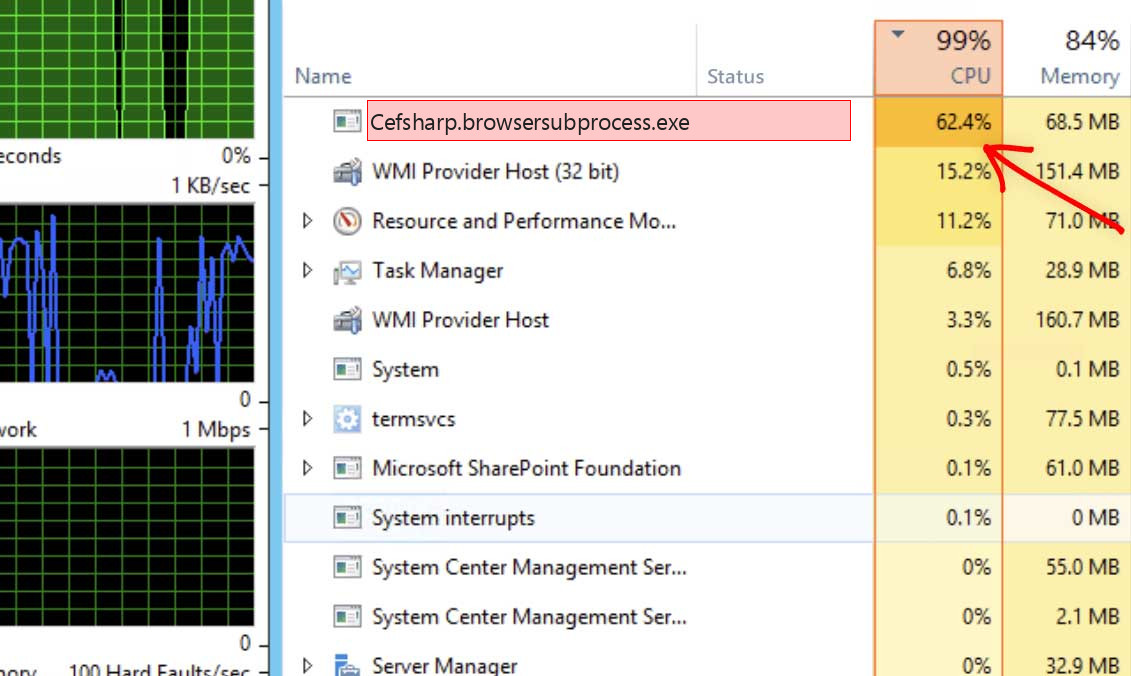
What is CefSharp.BrowserSubprocess.exe?
CefSharp is a .NET wrapper around the Chromium Embedded Framework. Software developers use it to show web-based interfaces inside desktop apps, such as login windows, product dashboards, embedded stores, help pages, launchers, and account panels. When that embedded browser runs, Windows may show one or more CefSharp.BrowserSubprocess.exe processes in Task Manager.
That design is similar to how Chrome or Microsoft Edge can create several helper processes for tabs, extensions, GPU rendering, and network work. Multiple CefSharp subprocesses are not a problem by themselves. The important question is whether they belong to a known application and whether their behavior fits what that application is doing.
Why can it use a lot of CPU or memory?
Short spikes are common when the parent app opens a web panel, renders a login page, plays media, syncs an account, or updates an embedded interface. Memory use can also rise when the app keeps several Chromium views open in the background.
Persistent resource use is different. If the process keeps consuming CPU, memory, disk, or network traffic after the parent app is closed, or if it starts immediately after boot without a clear reason, treat it as a signal to verify the file. Some unwanted programs abuse trusted-looking process names to hide in Task Manager.
Safe vs suspicious signs
| Usually normal | Suspicious |
| Located inside a known application folder under Program Files or the vendor folder. | Runs from AppData, Temp, Downloads, Startup, a random folder, or a folder with a misleading name. |
| The parent app is installed intentionally and has a recognizable publisher. | You cannot identify the program that launched it, or the publisher/signature is missing. |
| CPU or memory rises while the app opens a browser-based panel. | High usage continues while the app is idle or after the visible window is closed. |
| Network activity matches a service you are using. | Network traffic continues to unknown hosts, especially after a recent unknown installer. |
Common legitimate parents
Many Windows apps can include CefSharp, so the exact parent program matters more than the filename alone. You may see it with launchers, password managers, productivity tools, device utilities, communication apps, trading dashboards, game clients, or business software that embeds web content. If the folder name clearly matches software you installed and the file is signed by the expected vendor, it is usually not malware.
How to verify CefSharp.BrowserSubprocess.exe
- Open Task Manager, right-click CefSharp.BrowserSubprocess.exe, and choose Open file location.
- Check whether the folder belongs to a program you recognize. A path under a random AppData or Temp folder is a warning sign.
- Right-click the file, open Properties, and review the Digital Signatures tab if it is present.
- In Task Manager, add the Command line column or use Process Explorer to identify the parent application.
- Review recently installed programs and startup entries if the process appeared after installing freeware or a browser extension.
- If the file location or signature is questionable, upload the exact file to a multi-engine scanner or run a local security scan before allowing it.
What to do if it is legitimate but still heavy
If the file belongs to a trusted app, do not delete the subprocess directly. Update the parent application first, then restart Windows. If the issue continues, clear the app cache, disable unused in-app web panels or overlays, and reinstall the parent app from the vendor’s official website. Deleting only the CefSharp helper can break the application and may cause it to reinstall the file on the next launch.
How to Remove Malware?
If the process runs from an unusual folder, returns after you remove the parent app, opens together with suspicious startup entries, or keeps using resources while idle, remove the related unwanted program first. Then clean startup tasks, browser extensions, scheduled tasks, and recently installed software. Only remove files after you have verified the exact path and confirmed that they do not belong to a trusted application.
FAQ
Is CefSharp.BrowserSubprocess.exe malware?
Not by default. It is a legitimate helper used by apps that embed Chromium. It is suspicious when it runs from the wrong folder, lacks a trusted signature, or cannot be linked to a known application.
Can I end the process in Task Manager?
You can end it temporarily, but the parent app may stop working or immediately start it again. If it is legitimate, update or reinstall the parent app instead of deleting the helper file.
Why are there several CefSharp.BrowserSubprocess.exe processes?
Embedded Chromium can create separate processes for rendering, GPU work, networking, and different web views. Multiple processes are normal if they belong to the same trusted application folder.
What is the safest way to check it?
Start with the file location and parent application. A trusted vendor folder and valid signature usually indicate a normal component. A random writable folder, unknown startup entry, or constant background traffic requires deeper checking.



Leave a Comment