
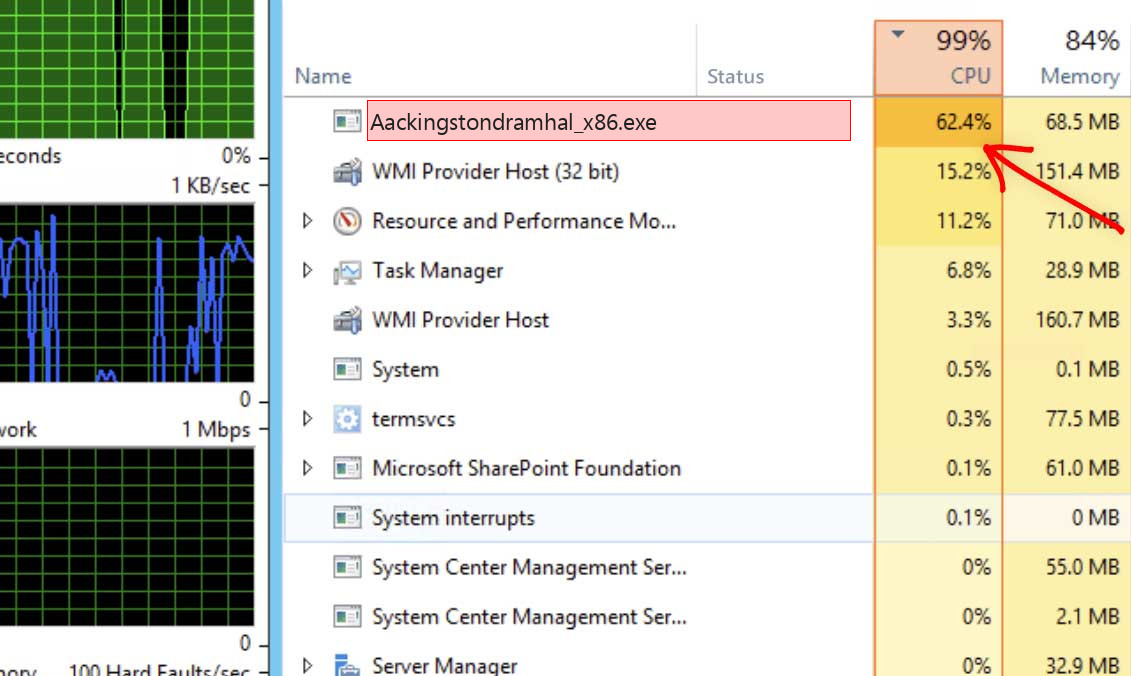
AacKingstonDramHal_x86.exe is usually not a coin miner. It is commonly associated with ASUS AURA/Armoury Crate components used to control Kingston RGB memory modules. The process may appear as an AAC DRAM HAL or Kingston AURA DRAM component. It becomes suspicious when the file is outside the expected ASUS/Kingston folders, lacks a trusted signature, or keeps using resources when no RGB hardware or ASUS software is installed.
What is AacKingstonDramHal_x86.exe?
The name suggests an ASUS AURA component for Kingston DRAM hardware abstraction. RGB control suites often install several helper processes for motherboard, memory, lighting, fan, and device synchronization. These helpers can be annoying, but they are not automatically malicious.
If you use ASUS Armoury Crate, Aura Sync, or Kingston RGB memory, this process may be part of that stack. If you do not use compatible hardware or no longer care about RGB lighting control, uninstalling the related ASUS/Kingston component is usually better than deleting the executable manually.
Safe vs suspicious signs
| Usually legitimate | Suspicious |
Located under C:\Program Files\ASUS or a Kingston/AURA DRAM component folder. |
Runs from AppData, Temp, Downloads, Startup, or a random directory. |
| Installed with Armoury Crate, Aura Sync, or motherboard/RGB utilities. | No ASUS/Kingston software or RGB hardware is present. |
| Signed by ASUS/ASUSTeK or a related trusted vendor. | No signature or unknown publisher. |
| Small background usage, occasional spikes while RGB services load. | Constant high CPU, GPU, disk, or network use while idle. |
Why it can use CPU
RGB suites can poll hardware sensors, synchronize lighting effects, and communicate with motherboard services. That can create CPU spikes or idle temperature increases. User reports around ASUS lighting components often point to Armoury Crate/Aura background services rather than malware. Still, high usage should not be ignored if it is constant.
How to fix high usage
- Update Armoury Crate, Aura Sync, motherboard utilities, and chipset drivers from ASUS or the motherboard vendor.
- Restart the ASUS services and reboot the PC.
- Disable RGB synchronization temporarily and check whether CPU usage drops.
- If you do not need RGB control, uninstall Armoury Crate/Aura/Kingston DRAM components through Apps & Features.
- Use the official ASUS cleanup/uninstall tool if normal uninstall leaves services behind.
- Scan the file if the path or signature does not match ASUS/Kingston software.
Do not delete the EXE directly
Manual deletion can leave services, scheduled tasks, and broken RGB components behind. That often causes errors at startup and can make Armoury Crate reinstall the component. Use the vendor uninstaller or remove the full RGB utility stack if you no longer want it.
How to troubleshoot without breaking RGB control
If AacKingstonDramHal_x86.exe belongs to ASUS/Kingston software, the goal is not to delete one file. The goal is to repair or remove the whole lighting stack cleanly. First, open Armoury Crate or Aura Sync and update components from inside the vendor app. Then reboot and watch whether the CPU spike returns.
If the process is still heavy, temporarily disable lighting synchronization or switch to a static lighting profile. Animated effects, memory polling, and motherboard synchronization can create unnecessary background work on some systems. If CPU usage drops after disabling RGB sync, the issue is likely software behavior, not malware.
Clean removal checklist
If you do not need RGB software, uninstall Armoury Crate, Aura Sync, Kingston DRAM RGB components, and related ASUS framework services from Windows settings. Reboot after uninstalling. Then check Task Manager and Services to confirm that the helper process no longer starts. If it remains, use the official vendor cleanup tool or reinstall the current version and uninstall again cleanly.
When to treat it as malware
Treat it as a malware case when the file is in a user-writable path, the publisher is missing, the process opens unknown network connections, or it appeared after installing cracks, driver updaters, game cheats, or bundled freeware. Also be suspicious if there is no ASUS motherboard software, no Kingston RGB memory, and no reason for an AURA DRAM helper to exist.
After you fix it
After repair or removal, check that Windows startup is clean, lighting software no longer throws errors, and CPU usage stays normal after several minutes of idle time. If you removed a suspicious copy, also scan browser extensions and recently installed programs because fake utility processes rarely arrive alone.
Advanced checks for ASUS/AURA leftovers
Armoury Crate and Aura components can leave several services behind, so one visible EXE is rarely the whole story. Check Services for ASUS framework, lighting, HAL, or AURA entries. If the high CPU started after a BIOS update, motherboard utility update, or memory kit change, reinstalling the current ASUS/Kingston RGB stack may be cleaner than manually removing files.
If you keep the software, use the newest vendor build and avoid stacking multiple RGB tools that control the same memory modules. Running Armoury Crate, older Aura Sync, motherboard utilities, and third-party RGB suites together can cause polling conflicts and repeated helper restarts.
FAQ
Is AacKingstonDramHal_x86.exe a virus?
Usually no. It is commonly tied to ASUS/Kingston RGB memory control. Verify the folder and signature to be sure.
Can I uninstall it?
Yes, if you do not need the related RGB control software. Use Apps & Features or the vendor uninstaller.
Why does it run if I do not open Armoury Crate?
RGB control suites install background services so lighting profiles can load automatically at boot.



Leave a Comment